(And Why It’s Not Just About Calories)
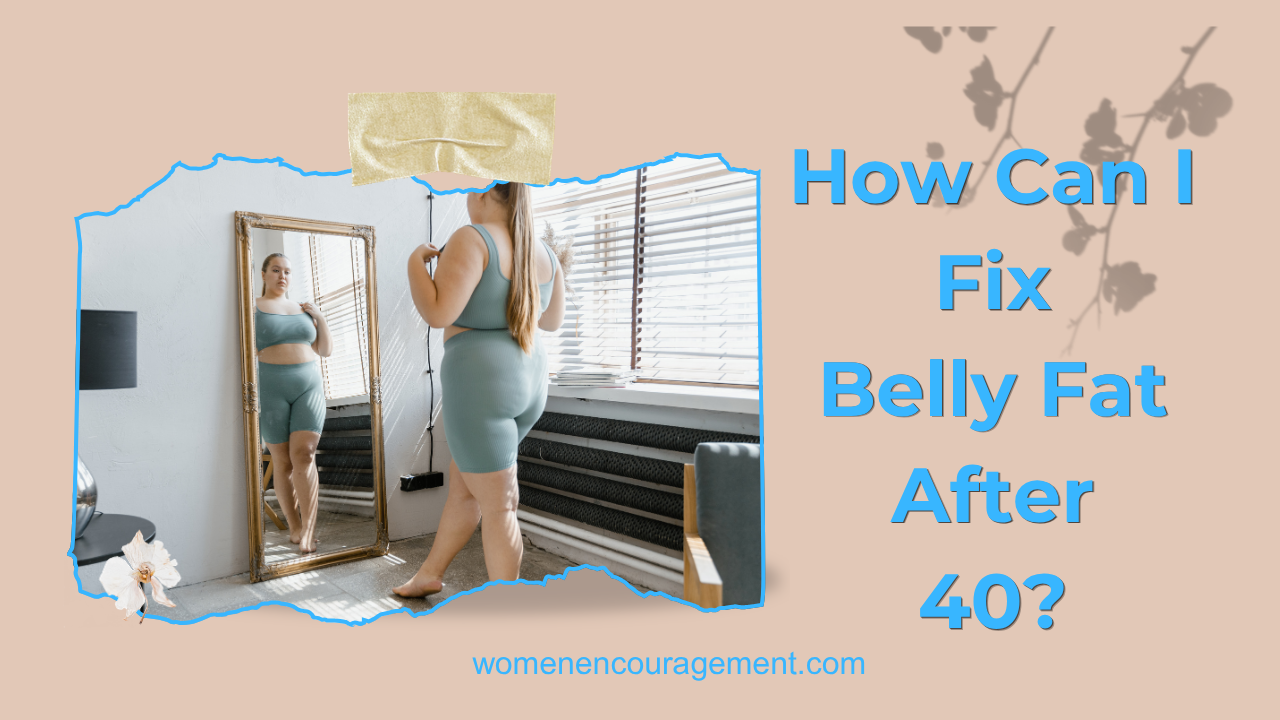
Belly Fat. Let’s start off with the obvious, this is not fun to talk about. However, there is hope!
The negative is that somewhere after 40, many women notice:
- Weight suddenly settling around the middle
- Cravings increasing
- Energy dropping
- Lack of sleep affecting everything
- Stress showing up directly on their waistline

Meanwhile, the old tricks stop working.
Less food? Exhausting. And so constraining.
More cardio? Barely moves the needle. And the boobs sweat so much more at this point or is it just me?

One cookie? Apparently this adds like ten pounds.
Am I the only one?
The truth of the matter is this:
Belly fat after 40 is often connected to much more than calories. This is actually a hopeful fact.
Our bodies are changing.
And no, we are not imagining it. If only we were imagining it, and we were somehow actually skinny.

Why Belly Fat After 40 Happens
There are several major shifts happening in the body after 40, especially during peri-menopause and post-menopause.
1. Hormonal Shifts
As estrogen changes, many women notice:
- More weight around the midsection (sadness). It’s the great widening.
- Increased cravings.
- Changes in sleep.
- Mood fluctuations.
- Slower recovery.
This is incredibly common. It’s such a negative list. Ugh.

2. Stress & Cortisol
Stress affects far more than emotions.
Chronic stress can impact:
- Sleep quality.
- Hunger signals.
- Cravings.
- Blood sugar.
- Fat storage. (Insert cuss words).
Especially around the belly. Good ole belly fat. Typing all this hurts my heart. Unfortunately, for me this has been reality.

Many women are carrying an unbelievable mental load right now. This affects how our bodies, mostly our stomach’s look. The belly fat seems to expand quicker than fresh bread in the oven.
3. Muscle Loss
After 40, women naturally begin losing muscle mass.
That matters because muscle helps support:
- Metabolism
- Insulin sensitivity
- Strength
- Energy use
This is one reason endless cardio often becomes frustrating. From what I understand, the intense cardio further stresses the body, causing more belly fat.

4. Blood Sugar Swings
This one is huge.
If blood sugar constantly spikes and crashes, many women notice:
- Afternoon crashes
- Sugar cravings
- Increased hunger
- Energy instability
- Easier fat storage
Especially around the waist. Belly fat.

What Research Shows
Research suggests that post-menopausal women often experience:
- Increased abdominal fat storage. Belly Fat. Duh.
- Greater insulin resistance tendencies. Agony.
- Reduced muscle mass. Hello flab where it’s never been before.
- Greater sensitivity to stress and poor sleep. You think?

Research also shows that:
- Poor sleep can increase hunger hormones
- Chronic stress can influence eating patterns and fat storage
- Strength training becomes increasingly important with age
Which means your body may need a different strategy now than it did at 25. (Captain Obvious).

I feel like after I turned 40, I could look at food and need to unbutton my jeans. Anybody else?
What Actually Helps – Finally, This is Where This Post Becomes Happy… 😁
First: we will not be starving ourselves (I tried, I still had my tummy fat blossoming).
Second: we will not be shaming ourselves because it doesn’t help either.
Third, we will not surviving on tiny salads while thinking about bread constantly. (This sounds like hell).
Most women benefit more from:
- Higher protein intake
- Better sleep routines
- Strength training
- Walking regularly
- Blood sugar support
- Stress reduction (yes, please. show me how).
- Consistent habits
Simple things.
Repeated consistently.
Where I Personally Started
One area I personally began focusing on was:
Trying to stay balanced in my health.

That’s where I personally like:
Balance & Burn
But as part of a realistic wellness routine that supports:
- Metabolism
- Energy
- Healthy blood sugar already in the normal range
I also focus heavily on:
- Protein first
- Hydration
- Walking after meals
- Better sleep rhythm
- Reducing stress overload
Keep in mind, that no supplement outworks chaos.
For more information about Balance and Burn, check out this post.
See these testimonials:


Another Tool I Personally Enjoy
I also personally enjoy:
NingXia Red.

You might want more on day where…
- Energy feels low
- Cravings feel stronger
- I need support staying consistent
Um, I drink this every single day. My body craves this.
I think many women underestimate how often cravings are connected to:
- Fatigue
- Stress
- Running on fumes
For me, supporting energy helps me make better choices overall. Also, Ningxia Red helps me win over sugar cravings. What’s wild is there is hardly any sugar in Ningxia Red, but my body loves this drink!
Final Thought
Our bodies are responding to
- Hormonal changes
- Stress
- Sleep disruption
- Blood sugar instability
- Lifestyle overload
And the good news is:
Small changes really can add up over time.

Want My “Flat Belly After 40” Starter Guide?
I created a simple guide for overwhelmed women who want realistic wellness support without extreme diets.
Inside I share:
- 5 simple shifts I would focus on first
- Easy blood sugar support habits
- Craving support tips
- Simple movement ideas
- Wellness habits for busy women
Download the guide HERE.

Disclaimer
This content is intended for general wellness education and is not medical advice.
For more on this subject, check out this post.
Now let’s go shrink: eat protein and list weights. How did it get to this – ha!! Reach out with any questions.
Talk Soon,
Jenn
Here is a glossary of terms, just to help a friend out.
Belly Fat Over 40 Glossary of Terms
Cortisol
Often called the “stress hormone.” Cortisol is made by your adrenal glands and helps your body respond to stress. Short bursts are normal. But when cortisol stays high for long periods of time from chronic stress, poor sleep, overworking, or emotional overwhelm, it may increase cravings, fatigue, and stubborn belly fat storage.
Insulin
Insulin is a hormone made by the pancreas. Its job is to move sugar (glucose) from your bloodstream into your cells for energy. Think of insulin like a key that unlocks your cells so your body can use fuel properly.
Insulin Resistance
Insulin resistance happens when your cells stop responding well to insulin. Your body then produces MORE insulin to compensate. Over time, this may lead to weight gain, fatigue, cravings, inflammation, and increased belly fat — especially around the midsection.
Type 2 Diabetes
A chronic condition where the body struggles to regulate blood sugar levels properly. It often develops after years of insulin resistance. Lifestyle habits like movement, sleep, nutrition, and stress management can play a major role in prevention and support.
Blood Sugar
Blood sugar refers to the amount of glucose in your bloodstream. Large spikes and crashes in blood sugar can affect energy, mood, cravings, hunger, and fat storage. Stable blood sugar often supports better energy and appetite control.
Weight Training
A form of exercise that uses resistance — like dumbbells, resistance bands, machines, or body weight — to build muscle strength. Weight training becomes especially important after 40 because muscle naturally declines with age. More muscle can support metabolism, strength, posture, and healthy aging.
Metabolism
Your metabolism is the process your body uses to turn food into energy. Factors like age, sleep, hormones, stress, muscle mass, and activity levels can all influence metabolic health.
Muscle Mass
The amount of muscle on your body. Muscle burns more energy than fat tissue, even at rest. Maintaining muscle after 40 can support strength, energy, balance, and metabolic health.
Menopause
Menopause is officially diagnosed after a woman has gone 12 consecutive months without a menstrual cycle. Hormonal shifts during this season can impact sleep, mood, weight distribution, energy, and metabolism.
Perimenopause
The transition phase leading up to menopause. This stage can begin years before menopause officially happens. Hormones may fluctuate wildly during perimenopause, leading to symptoms like fatigue, brain fog, mood swings, irregular cycles, sleep issues, and stubborn belly fat.
Postmenopause
The stage after menopause. Hormone levels stabilize at lower levels than during reproductive years. Many women continue focusing on muscle health, bone density, metabolism, and stress management during this phase.
Cycles
A woman’s menstrual cycle is the monthly hormonal rhythm that prepares the body for pregnancy. Hormonal changes throughout the cycle can influence energy, cravings, mood, sleep, and appetite.
Estrogen
A primary female hormone involved in reproductive health, metabolism, bone health, and more. Changes in estrogen levels during perimenopause and menopause may influence where the body stores fat — especially around the abdomen.
Progesterone
A hormone that works alongside estrogen. Progesterone supports mood, sleep, and reproductive health. Declining progesterone levels may contribute to irritability, sleep struggles, and feeling “off.”
Inflammation
Inflammation is the body’s natural response to injury or stress. Short-term inflammation helps healing. Chronic inflammation, however, may be linked to fatigue, weight gain, joint discomfort, and metabolic challenges.
Visceral Fat
This is fat stored deep around the organs in the abdominal area. Unlike fat under the skin, excess visceral fat is associated with increased health risks and metabolic concerns.
Cravings
Strong urges for certain foods — often sugar or processed carbohydrates. Cravings can sometimes be influenced by stress, blood sugar swings, poor sleep, hormones, or emotional overwhelm.
Sleep Deprivation
Not getting enough quality sleep. Poor sleep may affect hunger hormones, stress hormones, energy, metabolism, and decision-making around food.
Sedentary Lifestyle
A lifestyle with very little movement or physical activity. Long periods of sitting may negatively impact circulation, muscle health, metabolism, and energy levels over time.
Protein
An important nutrient that helps build muscle, repair tissue, and support fullness after meals. Adequate protein intake becomes increasingly important after 40 for maintaining strength and metabolic health.
Strength Training
Another term for resistance or weight training. Strength training helps build muscle, support joints, improve posture, and maintain independence as we age.
Hormones
Chemical messengers in the body that help regulate things like energy, mood, metabolism, appetite, sleep, and reproductive health. Hormonal changes can impact how women feel physically and emotionally after 40.
Adrenal Fatigue
A popular wellness term often used to describe extreme exhaustion, burnout, and stress overload. While not officially recognized as a medical diagnosis, many people use the term to describe feeling emotionally and physically depleted from chronic stress.
Gut Health
Refers to the health and balance of bacteria and digestion within the digestive system. Gut health may influence immunity, inflammation, mood, cravings, and overall wellness.
Lean Muscle
Muscle tissue without excess fat. Building lean muscle can support a toned appearance, strength, metabolism, and healthy aging.
Calorie Deficit
Consuming fewer calories than your body burns. This is often discussed in weight loss conversations, though hormone health, muscle mass, stress, and sleep also play important roles in body composition after 40.
Non-Scale Victories
Positive health changes that are NOT tied to body weight. Examples include better sleep, more energy, improved mood, fewer cravings, stronger workouts, or feeling more confident in your clothes.