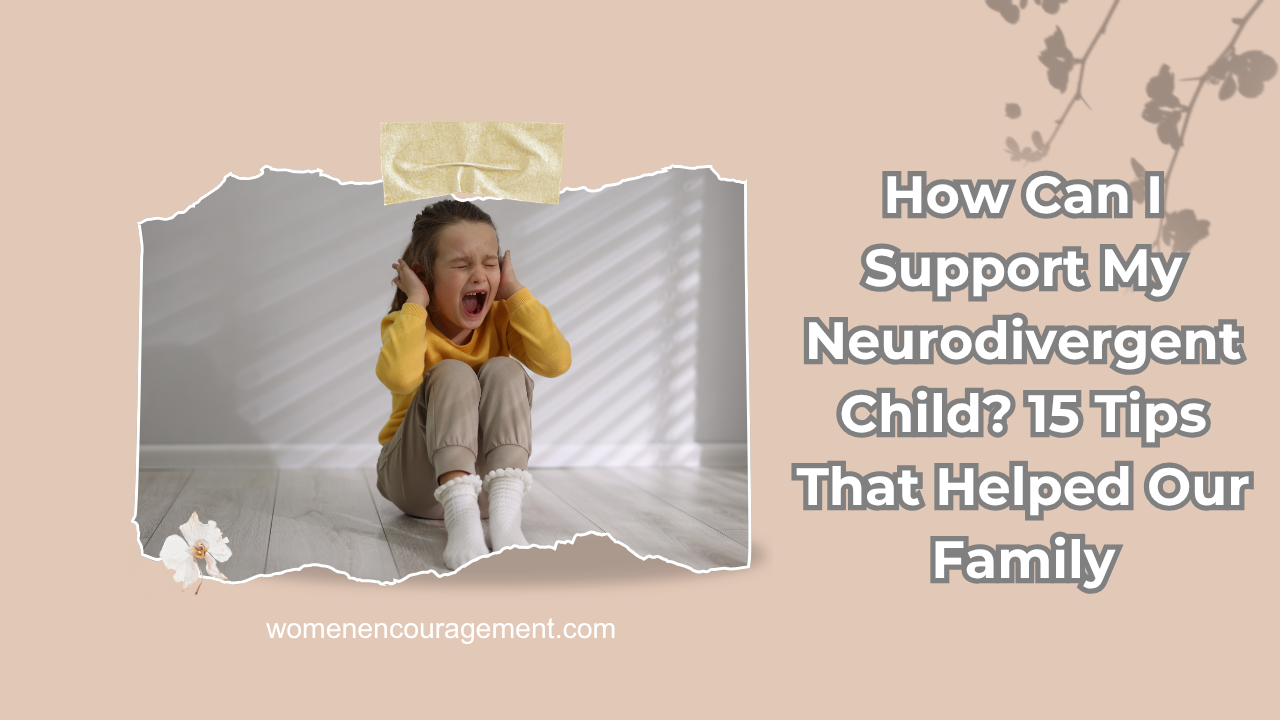
Inflamed? Why are women over 40 so inflamed? Here are 7 Everyday Habits That May Help
Do you ever wake up feeling stiff, puffy, or like your body just doesn’t bounce back the way it used to?
You’re not alone.
Many women over 40 notice changes in their energy, joints, digestion, and overall well-being. While there are many reasons this can happen, one factor that may play a role is chronic inflammation.
Inflammation isn’t always a bad thing. In fact, it’s one of the ways your body protects and heals itself after an injury or illness. The problem comes when your body is under constant stress from poor sleep, highly processed foods, ongoing stress, or other lifestyle factors. Over time, that constant stress may leave you feeling tired, achy, and discouraged. These all leave the body: inflamed.
The good news? Small daily habits can make a big difference.
1. Fill Your Plate with More Whole Foods
One of the simplest ways to support your body’s natural healing processes is by eating more whole foods.
Try adding:
Colorful vegetables
Fresh fruit
Healthy fats like avocado and olive oil
Lean proteins
High-fiber foods
At the same time, reducing highly processed foods and added sugars may help support your body’s normal inflammatory response, meaning we are less inflamed.
2. Prioritize Quality Sleep
Your body performs much of its repair work while you sleep.
Aim for a consistent bedtime and create a relaxing nighttime routine by limiting screens, keeping your bedroom cool, and winding down before bed.
After a good night’s sleep with quality rest, I see my face physically looks less inflamed. Sleep is healing!
You don’t need an intense workout to experience the benefits of movement.
A simple 20-minute walk, gentle stretching, yoga, or strength training can help support healthy joints, circulation, and overall wellness. Inflamed bodies decrease as the body moves more.
4. Reduce Everyday Stress
Long-term stress affects nearly every system in the body.
Simple habits like prayer, deep breathing, journaling, spending time outside, or enjoying quiet moments can help calm your mind and support your overall health. Inflammation has a tougher time surviving when the body feels supported. We heal when we feel safe, and relaxed.
5. Drink More Water
Hydration is one of the easiest wellness habits to improve.
Water supports countless functions throughout the body and helps keep everything working as it should, taming inflammation.
6. Reduce Your Chemical Load
Many everyday cleaning products, air fresheners, candles, and personal care products contain unnecessary fragrances and harsh chemicals.
You don’t have to replace everything overnight. Simply switching one product at a time is a great place to begin creating a healthier home. Inflamed bodies heal better with pure plant based, non hormone disrupting supports.
7. Give Yourself Grace
Healthy living isn’t about being perfect. It’s about making small, sustainable choices that add up over time. One healthy meal won’t change your life. Neither will one unhealthy meal. Consistency is what matters, with a solid routine of health, inflamed bodies heal.
Wellness Products I Personally Enjoy
Healthy habits will always be the foundation of feeling your best, but I also enjoy using a few Young Living products as part of my daily wellness routine.
NingXia Red is an antioxidant-rich drink made with wolfberries and other fruit juices. I enjoy starting my morning with it because it’s an easy way to add antioxidant-rich ingredients to my day.
I have drank this every day for years. My body craves this stuff. It is a magnificent drink that has very low sugar, but tastes so refreshing!!
Sulfurzyme contains MSM (methylsulfonylmethane), wolfberry powder, and other ingredients that many people choose to include as part of their wellness routine to support healthy connective tissues and overall wellness.
Guys, this helped me greatly after a divorce. This supplement isn’t just great for inflammation, there is much more as well. Do the research (hint: healthy and hair and nails)!
A healthy gut plays an important role in overall wellness. Life 9 is a probiotic supplement designed to help support a healthy balance of beneficial bacteria when combined with healthy lifestyle habits.
Please note: These products are not intended to diagnose, treat, cure, or prevent any disease. I simply enjoy using them as part of my own wellness routine alongside healthy eating, movement, quality sleep, and stress management.
With these healthy habits and my favorite anti inflamed products, we will be feeling more like ourselves again. We do not have to live so inflamed. There are ways to help.
The Bottom Line
If you’ve been wondering, “Why do I feel so inflamed?” you’re not imagining things.
The good news is that you don’t have to change everything overnight.
Small choices made consistently often lead to the biggest results.
Ready to Take the First Step?
If you’re ready to reduce your family’s everyday chemical exposure and build healthier habits one day at a time, I’d love to invite you to join my FREE 14-Day Healthy Home Challenge!
Each day you’ll receive one simple action step that takes just a few minutes to complete. No overwhelm. No perfection required. Just practical ideas to help you create a healthier home and healthier lifestyle.
How to Keep Kids and Pets Calm During Fourth of July Fireworks
Calm Simple Routines for a More Peaceful Holiday
For many families, the Fourth of July means cookouts, sparklers, and time with friends. But for young children, neurodivergent kids, and family pets, the holiday can feel overwhelming.
Loud fireworks, crowded events, changes in routine, late bedtimes, and unfamiliar noises can create anxiety, overstimulation, and stress for both children and animals.
The good news? You don’t need a complicated plan for calm. A few simple preparations can help create a calmer experience for everyone in your home.
At Women Encouragement, we believe in practical solutions that support families without adding more stress to your day.
Let’s walk through some easy ways to help your children and pets feel safe, secure, and comfortable during fireworks season.
Why Fireworks Can Feel So Uncalm
Fireworks affect children and animals differently than adults.
For Children
Kids may struggle because of:
Unexpected loud noises
Bright flashing lights
Disrupted routines
Sensory overload
Fear of the unknown
Children with autism, ADHD, sensory processing challenges, or anxiety often experience these effects even more intensely.
Signs your child may be overstimulated include:
Covering ears
Crying or becoming clingy
Irritability
Increased hyperactivity
Difficulty sleeping
Emotional meltdowns
For Pets
Dogs and cats hear sounds at much higher frequencies than humans.
According to veterinary experts, many pets experience significant stress during fireworks because they cannot understand where the noise is coming from or when it will stop.
Common signs include:
Trembling
Hiding
Pacing
Excessive barking
Panting
Drooling
Attempts to escape
Understanding these reactions can help us respond with compassion instead of frustration.
1. Prepare Before the Fireworks Begin for Calm
One of the best ways to reduce anxiety is to start early.
A calm environment before fireworks begin often leads to a calmer evening overall.
Try:
Closing curtains before dark
Bringing outdoor pets inside
Feeding pets and children at their normal time
Finishing outdoor activities earlier in the evening
Creating a comfortable “safe space”
Children and animals thrive when they know what to expect.
2. Create a Calm Corner
Every family benefits from having a designated quiet space.
Consider setting up:
For Kids
Favorite blanket
Books
Headphones or ear protection
Fidget toys
Stuffed animals
Soft lighting
For Pets
Bed or crate
Favorite toy
Water bowl
Familiar blanket
Access to a quiet room
The goal isn’t to force anyone into the space.
The goal is to create a place where they can retreat if they feel overwhelmed.
3. Use Background Noise for calm
Sometimes silence makes fireworks seem even louder.
Try:
Soft music
White noise
Fans
Television
Nature sounds
Background noise can help mask sudden booms and create a more predictable environment.
Many families find this especially helpful for bedtime.
4. Burn Off Energy Earlier in the Day
A child who has spent the day indoors may have extra energy when fireworks start.
The same is true for dogs.
Before evening arrives:
Go for a family walk
Visit the park
Play fetch
Swim
Enjoy outdoor games
Physical activity can help support a calmer transition into the evening.
5. Maintain Familiar Routines for Calm
Holidays often disrupt schedules.
While flexibility is important, keeping some routines consistent can provide a sense of security.
Try maintaining:
Regular meal times
Normal nap schedules
Evening bath routines
Bedtime rituals
Consistency helps reduce anxiety for both children and pets.
6. Consider Sensory Supports
Many parents find sensory tools helpful during fireworks season.
Examples include:
Noise-canceling headphones
Weighted blankets
Compression clothing
Fidget toys
Quiet activities
Every child is different.
Pay attention to what helps your child feel safe and regulated.
7. Support a Calm Environment with Gentle Aromas
Many families enjoy incorporating essential oils into their evening routines as calming sensory cues.
Essential oils are not intended to diagnose, treat, cure, or prevent any condition. They simply provide an enjoyable aromatic experience that can become part of a relaxing bedtime ritual.
Popular choices for family wind-down routines include:
A Gentle Option for Pets During Stressful Events to Stay Calm
Many pet owners notice that fireworks, thunderstorms, travel, visitors, and changes in routine can create extra stress for their animals.
While every pet is different, creating a calm environment can help support their comfort during overwhelming situations.
Along with a quiet room, familiar blankets, exercise, and predictable routines, some families choose to incorporate products from Young Living’s Animal Scentsยฎ line as part of their pet wellness routine.
A soothing, plant-based ointment that can be used as part of a regular grooming and wellness routine.
Pet Safety Always Comes First
When using essential oils around animals:
Use only products specifically formulated for pets.
Allow your pet to leave the room if they choose.
Never force exposure.
Avoid applying oils near eyes, nose, ears, or sensitive areas.
Follow Young Living’s usage directions carefully.
Consult your veterinarian if you have concerns.
My Fourth of July Pet Comfort Routine
For our furry family members, I like to keep things simple:
Exercise pets earlier in the day.
Bring them indoors before fireworks begin.
Close curtains and blinds.
Turn on calming background noise.
Create a cozy “safe space” with favorite blankets and toys.
Use Animal Scentsยฎ Calm as part of our evening routine.
Stay nearby so they know they’re safe.
Sometimes the greatest comfort we can offer our pets isn’t a product at allโit’s our calm presence and a predictable environment.
A little preparation can go a long way toward helping your furry friends feel secure during fireworks season.
Frequently Asked Questions
Are fireworks harmful to pets?
Fireworks can cause significant stress and anxiety in many animals. Some pets may attempt to escape if frightened, which is why keeping identification tags current and bringing pets indoors early is important.
Should I take my dog to a fireworks show?
Most veterinarians recommend leaving pets at home in a secure, familiar environment rather than exposing them to loud fireworks displays.
Why do some children react strongly to fireworks?
Children with sensory sensitivities, anxiety, autism, ADHD, or simply a strong startle response may find fireworks overwhelming because of the sudden sounds and bright flashes.
Can essential oils calm my child or pet?
Essential oils should be viewed as part of a calming environment rather than a treatment. Consistent routines, sensory supports, and a safe environment remain the foundation of helping children and pets feel secure.
Final Thoughts
The Fourth of July doesn’t have to be stressful.
With a little preparation, you can help your children and pets feel safer, calmer, and more comfortable during fireworks season.
Focus on the basics:
Predictable routines
Safe spaces
Physical activity
Comfort items
Calm environments
Sometimes the most powerful wellness tools aren’t complicated at all.
They’re the simple habits that help the people we love feel secure.
Free Resource
Want more family-friendly wellness tips?
Join the Women Encouragement community and download our Healthy Home Starter Checklist to discover practical ways to create a calmer, lower-toxin home for your family.
Create a Healthier Home With These 5 Simple Non-Toxic Cleaning Swaps
Non toxic? Have you ever cleaned your kitchen and then wondered why it smells more like a chemistry lab than a home? You’re not alone.
Many of us grew up believing that if a cleaner smelled strong, it must be working. The stronger the smell, the cleaner the house, right?
Not necessarily.
More families are becoming aware of the ingredients in the products they use every day and looking for ways to reduce unnecessary chemical exposure in their homes.
Non toxic? Consider this chart:
Ingredient
Commonly Found In
Why Some People Avoid It
Phthalates
Fragrances, air fresheners, laundry products
May contribute to indoor air pollution and have been studied for potential hormone-disrupting effects.
Parabens
Personal care products, some cleaners
Used as preservatives and studied for possible hormone-related concerns.
Ammonia
Glass cleaners, bathroom cleaners
Can irritate the eyes, skin, nose, and lungs, especially in enclosed spaces.
Chlorine Bleach
Disinfectants, laundry products
Can cause respiratory irritation and becomes particularly dangerous if mixed with ammonia or other cleaners.
Formaldehyde-Releasing Preservatives
Some cleaners, detergents, air fresheners
Can contribute to indoor air pollution and may irritate the eyes, nose, and throat.
2-Butoxyethanol
Multi-purpose cleaners, window cleaners
May cause irritation to the eyes, skin, and respiratory tract with prolonged exposure.
Synthetic Fragrances
Almost everything
Can contain dozens or even hundreds of undisclosed ingredients and may trigger headaches or sensitivities in some individuals.
Quaternary Ammonium Compounds (Quats)
Disinfecting sprays and wipes
May irritate skin and lungs and have been studied for possible health concerns with repeated exposure.
Triclosan
Older antibacterial products
Has been studied for environmental and hormone-related concerns.
Volatile Organic Compounds (VOCs)
Air fresheners, sprays, scented cleaners
Can contribute to indoor air pollution and may trigger headaches or respiratory irritation.
Non Toxic? The Ones Moms Usually Care About Most – these are TOXIC ones
If I were writing for Women Encouragement, I’d focus on:
1. Synthetic Fragrances
Many women have no idea that “fragrance” can be a catch-all term.
Zinger:
“If a label says ‘fragrance,’ it doesn’t tell you what’s actually creating the scent.”
2. Bleach
Everyone knows bleach. Everyone understands it.
3. Ammonia
Especially because many moms have accidentally used products containing it.
4. VOCs
Which is basically a chemical lab of cleaning products
Zinger:
“A clean home shouldn’t require holding your breath.”
Not everyone reacts to these ingredients the same way, and research continues to evolve. If you have concerns about a product, consult reliable sources and choose products that align with your family’s needs and preferences. Your home should be a place where your family can breathe easyโnot a place that smells clean but leaves everyone reaching for fresh air.
Some Surprisingly Easy Swaps for Non Toxic Solutions
Instead of:
Air fresheners โ Open windows &/or diffuse quality essential oils
Heavily scented cleaners โ Plant-based cleaners
Multiple specialty cleaners โ One concentrated cleaner
Zinger:
“Sometimes the healthiest choice is simply using less.”
The good news? You don’t have to throw everything away and become a homesteader overnight. Small changes can add up over time.
The truth of the matter is that healthy living isn’t about perfection. It’s about better choices, one step at a time.
Here are five simple swaps that can help create a healthier home.
1. Swap Harsh All-Purpose Cleaners for Plant-Based Options that are Non Toxic
Many conventional cleaners contain ingredients that can irritate sensitive skin, eyes, and airways.
If you have children, pets, or family members with sensitivities, this can be especially important.
Look for plant-based cleaners that effectively clean without unnecessary harsh ingredients.
One of my favorite options is Young Living’s Thievesยฎ Household Cleaner because it’s highly concentrated, versatile, and can be used throughout the home when diluted properly.
Zinger:Your home doesn’t have to smell like a chemistry lab to be clean.
2. Open the Windows More Often, letting toxins out
This one is free. Indoor air can sometimes contain more pollutants than outdoor air. Simply opening windows for a short period each day can help improve airflow and freshen your home naturally. Even a few minutes can make a difference.
Zinger: Fresh air is one of the most overlooked wellness tools available.
3. Swap Artificial Fragrances for Natural Scents that are non toxic
Many products are designed to mask odors rather than address them.
Instead of relying solely on heavily fragranced sprays, consider natural ways to freshen your space.
Some families enjoy diffusing essential oils such as Lemon, Orange, or Purificationยฎ to create a fresh-smelling environment.
A little goes a long way.
Zinger: Covering a smell isn’t the same as creating a healthy environment.
4. Reduce Disposable Cleaning Products for non toxic solutions
Disposable wipes and single-use cleaning products can be convenient, but they can also add unnecessary waste and expense.
Microfiber cloths, reusable cleaning towels, and concentrated cleaners often provide a more economical option over time.
Bonus: you’ll likely save money. And who doesn’t love that?
Zinger: Simple often beats complicated.
5. Start Small Instead of Doing Everything at Once
This may be the most important tip.
Many women feel overwhelmed when they start learning about healthier living.
They think they need to replace every product in the house immediately.
Please don’t do that.
Pick one thing. Then another. Progress beats perfection every single time. The goal isn’t to create stress, it is to create a healthier environment for the people you love.
My Favorite Young Living Products for a Healthier Home – Non Toxic Options
As I began making simple swaps in our home, I quickly realized I didn’t need dozens of products. In fact, fewer products often made life easier.
These are three of my favorite Young Living products that I regularly use as part of our family’s healthy home routine.
If I could only keep one cleaning product in my house, this would probably be it.
Thieves Household Cleaner is a concentrated cleaner that can be diluted for multiple uses around the home. I use it on countertops, sinks, bathrooms, floors, and countless everyday messes. (Using a glass spray bottle is best).
One bottle goes a surprisingly long way, which is great for the budget.
Jenn’s Tip: I keep a spray bottle ready under the kitchen sink so cleaning is quick and convenient.
There is something about the scent of lemon that simply feels clean.
I love adding a few drops to a diffuser or using it as part of my cleaning routine to create a fresh-smelling environment. Dusting with lemon oil leaves a beautiful shine as well.
The bright citrus aroma can help make cleaning feel a little less like a chore and a little more enjoyable. Mopping with a few drops on the scrubber, makes a wonderful addition as well.
Jenn’s Tip: Diffuse Lemon while you’re cleaning for a naturally fresh atmosphere.
Sometimes homes need a little extra freshening, especially with kids, pets, sports equipment, and all the other realities of family life. Thus, I put Purification in stinky shoes, and in the kitchen sink as needed.
Purification has become one of my favorite blends for creating a fresh-smelling environment without relying on heavily fragranced products even in my car!
A few drops in a diffuser can help freshen a room naturally.
Jenn’s Tip: This is one of my go-to blends after a busy week when the house needs a little refresh especially before guests come over.
The truth of the matter is that creating a healthier home doesn’t require perfection. It starts with simple choices and small changes over time.
For our family, these products have become easy tools that fit naturally into a cleaner, simpler, and healthier home routine, aiding us in more non toxic choices.
Final Thoughts
Creating a healthier home doesn’t have to be expensive, complicated, or overwhelming. Start with one simple swap. Then build from there.
Over time, those small changes can have a meaningful impact on your family’s environment. Remember: Healthy homes aren’t built in a day. They’re built one intentional choice at a time.
I have friends who have waited for a major diagnosis before switching to healthier options. It makes me wonder if switching earlier may have eliminated what they are going through? Invest in health now. Being healthy makes life so much more enjoyable!
Mineral support may help support hydration and overall wellness habits. I know this is needed, I personally can’t stand the taste. I try to rub it on my feet. (Trying to be a good friend and share).
Many people prioritize healthy evening routines and sleep-support habits as part of overall wellness support. I put this in my diffuser or rub it on my feet before bed, it is phenomenal! Hey, it’s safe for the kiddos too.
Final Thoughts
If youโve been feeling exhausted latelyโฆ
please know you are NOT alone.
Many women are carrying:
stress
emotional overload
hormone shifts
poor recovery
nervous system exhaustion
for years without realizing how much it impacts the body.
If youโd like my simple Wellness Guide for overwhelmed women over 40, Click HERE to download it and get started on a brand new path of greater wellness – naturally!
Belly Fat. Let’s start off with the obvious, this is not fun to talk about. ย However, there is hope!
The negative is that somewhere after 40, many women notice:
Weight suddenly settling around the middle
Cravings increasing
Energy dropping
Lack of sleep affecting everything
Stress showing up directly on their waistline
Meanwhile, the old tricks stop working.
Less food? Exhausting. And so constraining. More cardio? Barely moves the needle. ย And the boobs sweat so much more at this point or is it just me?
One cookie? Apparently this adds like ten pounds.
Am I the only one?
The truth of the matter is this:
Belly fat after 40 is often connected to much more than calories. ย This is actually a hopeful fact.
Our bodies are changing.
And no, we are not imagining it. ย If only we were imagining it, and we were somehow actually skinny.
Why Belly Fat After 40 Happens
There are several major shifts happening in the body after 40, especially during peri-menopause and post-menopause.
1. Hormonal Shifts
As estrogen changes, many women notice:
More weight around the midsection (sadness). ย It’s the great widening.
Increased cravings.
Changes in sleep.
Mood fluctuations.
Slower recovery.
This is incredibly common. ย It’s such a negative list. ย Ugh.
2. Stress & Cortisol
Stress affects far more than emotions.
Chronic stress can impact:
Sleep quality.
Hunger signals.
Cravings.
Blood sugar.
Fat storage. ย (Insert cuss words).
Especially around the belly. Good ole belly fat. ย Typing all this hurts my heart. ย Unfortunately, for me this has been reality.
Many women are carrying an unbelievable mental load right now. ย This affects how our bodies, mostly our stomach’s look. ย The belly fat seems to expand quicker than fresh bread in the oven.
3. Muscle Loss
After 40, women naturally begin losing muscle mass.
That matters because muscle helps support:
Metabolism
Insulin sensitivity
Strength
Energy use
This is one reason endless cardio often becomes frustrating. ย From what I understand, the intense cardio further stresses the body, causing more belly fat.
4. Blood Sugar Swings
This one is huge.
If blood sugar constantly spikes and crashes, many women notice:
Afternoon crashes
Sugar cravings
Increased hunger
Energy instability
Easier fat storage
Especially around the waist. ย Belly fat.
What Research Shows
Research suggests that post-menopausal women often experience:
Um, I drink this every single day. ย My body craves this. ย
I think many women underestimate how often cravings are connected to:
Fatigue
Stress
Running on fumes
For me, supporting energy helps me make better choices overall. ย Also, Ningxia Red helps me win over sugar cravings. ย What’s wild is there is hardly any sugar in Ningxia Red, but my body loves this drink!
ย
Final Thought
Our bodies are responding to
Hormonal changes
Stress
Sleep disruption
Blood sugar instability
Lifestyle overload
And the good news is:
Small changes really can add up over time.
Want My โFlat Belly After 40โ Starter Guide?
I created a simple guide for overwhelmed women who want realistic wellness support without extreme diets.
Now let’s go shrink: eat protein and list weights. ย How did it get to this – ha!! ย Reach out with any questions.ย
Talk Soon,
Jenn
ย
Here is a glossary of terms, just to help a friend out. ย
Belly Fat Over 40 Glossary of Terms
Cortisol
Often called the โstress hormone.โ Cortisol is made by your adrenal glands and helps your body respond to stress. Short bursts are normal. But when cortisol stays high for long periods of time from chronic stress, poor sleep, overworking, or emotional overwhelm, it may increase cravings, fatigue, and stubborn belly fat storage.
Insulin
Insulin is a hormone made by the pancreas. Its job is to move sugar (glucose) from your bloodstream into your cells for energy. Think of insulin like a key that unlocks your cells so your body can use fuel properly.
Insulin Resistance
Insulin resistance happens when your cells stop responding well to insulin. Your body then produces MORE insulin to compensate. Over time, this may lead to weight gain, fatigue, cravings, inflammation, and increased belly fat โ especially around the midsection.
Type 2 Diabetes
A chronic condition where the body struggles to regulate blood sugar levels properly. It often develops after years of insulin resistance. Lifestyle habits like movement, sleep, nutrition, and stress management can play a major role in prevention and support.
Blood Sugar
Blood sugar refers to the amount of glucose in your bloodstream. Large spikes and crashes in blood sugar can affect energy, mood, cravings, hunger, and fat storage. Stable blood sugar often supports better energy and appetite control.
Weight Training
A form of exercise that uses resistance โ like dumbbells, resistance bands, machines, or body weight โ to build muscle strength. Weight training becomes especially important after 40 because muscle naturally declines with age. More muscle can support metabolism, strength, posture, and healthy aging.
Metabolism
Your metabolism is the process your body uses to turn food into energy. Factors like age, sleep, hormones, stress, muscle mass, and activity levels can all influence metabolic health.
Muscle Mass
The amount of muscle on your body. Muscle burns more energy than fat tissue, even at rest. Maintaining muscle after 40 can support strength, energy, balance, and metabolic health.
Menopause
Menopause is officially diagnosed after a woman has gone 12 consecutive months without a menstrual cycle. Hormonal shifts during this season can impact sleep, mood, weight distribution, energy, and metabolism.
Perimenopause
The transition phase leading up to menopause. This stage can begin years before menopause officially happens. Hormones may fluctuate wildly during perimenopause, leading to symptoms like fatigue, brain fog, mood swings, irregular cycles, sleep issues, and stubborn belly fat.
Postmenopause
The stage after menopause. Hormone levels stabilize at lower levels than during reproductive years. Many women continue focusing on muscle health, bone density, metabolism, and stress management during this phase.
Cycles
A womanโs menstrual cycle is the monthly hormonal rhythm that prepares the body for pregnancy. Hormonal changes throughout the cycle can influence energy, cravings, mood, sleep, and appetite.
Estrogen
A primary female hormone involved in reproductive health, metabolism, bone health, and more. Changes in estrogen levels during perimenopause and menopause may influence where the body stores fat โ especially around the abdomen.
Progesterone
A hormone that works alongside estrogen. Progesterone supports mood, sleep, and reproductive health. Declining progesterone levels may contribute to irritability, sleep struggles, and feeling โoff.โ
Inflammation
Inflammation is the bodyโs natural response to injury or stress. Short-term inflammation helps healing. Chronic inflammation, however, may be linked to fatigue, weight gain, joint discomfort, and metabolic challenges.
Visceral Fat
This is fat stored deep around the organs in the abdominal area. Unlike fat under the skin, excess visceral fat is associated with increased health risks and metabolic concerns.
Cravings
Strong urges for certain foods โ often sugar or processed carbohydrates. Cravings can sometimes be influenced by stress, blood sugar swings, poor sleep, hormones, or emotional overwhelm.
Sleep Deprivation
Not getting enough quality sleep. Poor sleep may affect hunger hormones, stress hormones, energy, metabolism, and decision-making around food.
Sedentary Lifestyle
A lifestyle with very little movement or physical activity. Long periods of sitting may negatively impact circulation, muscle health, metabolism, and energy levels over time.
Protein
An important nutrient that helps build muscle, repair tissue, and support fullness after meals. Adequate protein intake becomes increasingly important after 40 for maintaining strength and metabolic health.
Strength Training
Another term for resistance or weight training. Strength training helps build muscle, support joints, improve posture, and maintain independence as we age.
Hormones
Chemical messengers in the body that help regulate things like energy, mood, metabolism, appetite, sleep, and reproductive health. Hormonal changes can impact how women feel physically and emotionally after 40.
Adrenal Fatigue
A popular wellness term often used to describe extreme exhaustion, burnout, and stress overload. While not officially recognized as a medical diagnosis, many people use the term to describe feeling emotionally and physically depleted from chronic stress.
Gut Health
Refers to the health and balance of bacteria and digestion within the digestive system. Gut health may influence immunity, inflammation, mood, cravings, and overall wellness.
Lean Muscle
Muscle tissue without excess fat. Building lean muscle can support a toned appearance, strength, metabolism, and healthy aging.
Calorie Deficit
Consuming fewer calories than your body burns. This is often discussed in weight loss conversations, though hormone health, muscle mass, stress, and sleep also play important roles in body composition after 40.
Non-Scale Victories
Positive health changes that are NOT tied to body weight. Examples include better sleep, more energy, improved mood, fewer cravings, stronger workouts, or feeling more confident in your clothes.
Poor sleep can increase hunger hormones and cravings
When your body is tired, it looks for:
*fast energy *aka sugar
4. Stress is running the showย
Stress does not just live in your head.
It affects:
blood sugar
hormones
energy
And it often leads to:
*emotional eating *quick cravings *โI just need somethingโ moments, or hours of bingeing. ย I’ve been there, especially late at night (not my best moments).
What research actually shows
Blood sugar swings are linked to increased hunger and cravings
Sleep deprivation can increase appetite and desire for high-calorie foods
Chronic stress is associated with increased snacking and sugar intake
Translation:
This is your body trying to keep up.
So what actually helps?
Not cutting sugar completely.
Or โbeing more disciplined.โ
And absolutely not ย starting over every Monday.
You need:
Simple daily support that stabilizes your body
My simple craving support routine
This is what I personally focus on:
1. Protein first
Before coffee if possible.
Even something small helps.
Ideas: Look at Legendary protein products, spoon full of peanut butter, a perfect bar (first thing in the morning).
2. Donโt skip meals
I know. We all do it.
But it almost always backfires later.
PS I have friends getting Factor meals and the like to have meals ready at all times to fix this problem. ย This answer is currently out of my budget, but just sharing in case it will help you. =)
3. Move your body (just a little)
Even a 10-minute walk helps regulate blood sugar.
These gadgets are helping me do this, even when it rains:
Ningxia Red is what I crave currently. ย I drink it, and it puts a huge clamp on cravings. ย This also supports nine systems in the body. ย I will never be without my Ningxia Red, I pray.
Where it fits: daily energy + consistency
Let me be honestโฆ
A lot of cravings arenโt just about sugar.
Theyโre about:
ย low energy
running on fumes
your body looking for a quick boost
Thatโs where I personally like adding something simple in the morning.
NingXia Redย is a daily antioxidant drink made with wolfberry and other plant-based ingredients.
I donโt use it as a โfix.โ
I use it asย supportย for:
steady energy
daily nutrition
helping me not feel like Iโm crashing by mid-afternoon (I drink it after lunch and sometimes in the morning as well).
And when your energy feels more stableโฆ cravings tend to feel less intense. ย Winner!!
Tired? Letโs just say it out loudโฆ You slept. Not perfectly. But enough. And yetโฆ
You wake up tired
You hit a wall by 2pm
You feel like you need a nap just to survive dinner
What is going on??
So many mom friends wear “Tired,” like a badge of honor. In America, it feels like a pull to burn the candle at both ends. Hustle culture screams, “Jam, more into the day.”
Have you noticed this or is it just me? Busy is another bragging right. My take is that if we are constantly on, no matter why rested is a rare commodity.
The truth of the matter isโฆ
Youโre not broken, definitely not a slacker…
And noโฆ you donโt just โneed more sleep.โ
Something much deeper may be going on.
Cough, cough: slow down. Read a book, rock in a rocking chair. Maybe even sip tea! Think of our grandparents and great grandparents generations. They weren’t stressed like this generation tends to be…
Why you feel tired even after sleeping (big possibility)…
Letโs keep this simple. There are usually 5 main reasons:
1. Your body never actually relaxed. You may have sleptโฆ
But your body stayed in stress mode all night. I think this one may just be an epidemic.
This is the โtired but wiredโ cycle, the kind where you never get into the restorative rest our bodies need.
Signs:
Waking between 2:00-4:00am to. pee
Waking to check your phone in the middle of the night, “Hello. Addiction?”
Rolling around, slightly sleeping, while actively focusing thoughts on a real life matter…
Research shows chronic stress can disrupt sleep quality โeven if youโre technically asleep. Totally sucks. Been there, done that. Ugh.
2. Blood sugar swings. If your blood sugar is all over the place:
you crash mid-day
you feel shaky or foggy
your energy is unstable
This is HUGE for moms. Especially the ones who cram food in while driving, often do not get a whole meal, etc.
Let me just say with a son with Type 1 Diabetes, protein is our friend in this situation. Protein helps stabilize blood sugar.
3. Hormone shifts. Especially if youโre in:
your 30s
your 40s
or beyond
Hormones can affect:
sleep quality
energy
mood
Even subtle shifts can leave you feeling drained.
Signs like:
Acne
Night sweats
Painful cycles
Awful PMS
Weight gain or loss for no reason
Difficulty maintaining warmth
4. Poor sleep quality (not just quantity) – this is similar to the #1.
You can sleep 8 hourโฆbut if itโs broken, light, or restless?
You wake up exhausted, sadly. According to sleep research, quality matters more than just hours.
A 2016 review published in the journal Sleep stated:
โSleep quality may be just as important, if not more important, than sleep duration in predicting future health.โ
5. No daily rhythm
Your body LOVES patterns. But most of us are:
skipping meals
staying up late
overstimulated all day
differing bed times and wake times
grazing throughout the day
No rhythm = no steady energy
Quick reality check (this matters)
Over 60% of women report ongoing fatigue
Sleep issues affect millions of adults regularly
Stress is one of the top contributors to poor energy
๐ You are not alone in this.
So what actually helps?
Not a 27-step routine. Not more supplements thrown at the problem.
You need: simple daily signals your body can recognize.
Start with THIS (simple shift)
Before you try to โfix your whole lifeโโฆ Start with your evening. Because if your body never winds downโฆ tomorrow will feel the same.
They aren’t a magic fixโฆ. Just as a consistent cue, that, โWeโre done for the day.โ
3. Clear your brain
Write down:
your top 3 priorities for tomorrow
Thatโs it.
๐ก Why this works
Your body responds to patterns.
When you repeat the same signals:
your brain learns to relax faster
your sleep improves
your energy improves
FAQ (quick answers)
Why am I tired even after 8 hours of sleep?
Because sleep quality, stress, and hormones matter more than just hours.
Can stress really make me this tired?
Yes. Chronic stress can impact sleep, energy, and mood.
Is this a hormone problem?
Sometimes. Especially in perimenopause or menopause.
Do I need supplements?
Not always.
Start with:
sleep
rhythm
stress support
Then layer in support if needed.
Will this fix everything overnight?
No.
But it will start shifting things in the right direction.
Essential Oils for Stress, Sleep & Feeling Tired. FAQs
Do essential oils actually help with stress and relaxation?
They can support relaxation as part of a routine.
Certain scents (like lavender) have been studied for their calming effects, and many people use essential oils as a sensory cue to help the body wind down.
๐ Theyโre not a treatment or cure ๐ But they can be a helpful tool alongside good habits
How do essential oils help you relax?
Your sense of smell is directly connected to the part of your brain that processes emotion and memory.
That means:
๐ when you pair a calming scent with a routine ๐ your brain starts to associate that scent with โtime to relaxโ
Over time, this can help your body shift into a calmer state more easily.
Where should I apply essential oils for stress support?
You donโt need a brand new life to feel better. For goodness sake, make the most of the Beautiful, Loving Life you have been given. Savor each day because truly it is a gift. In addition to gratitude,
This is for general wellness support and is not medical advice.
Final Word of Encouragement
Friends, life can be fast moving! I still can’t believe most of my kids are adults.
Let’s take the time to really wind down at night. Take a bath. Read the book. Put on a fan (this helps me sleep so much). Fill the diffuser before turning off the lights.
Life is so much sweeter when we are rested. Joy fills my heart much more when I’m not battling fatigue.
Invest in our futures by getting proper rest. The best is yet to be together: you and me. We are stronger, together. Better: together.
Major Study on Sleep Regularity + Longer Life
A 2024 study published in the journal Sleep found that:
Sleep regularity was a stronger predictor of mortality risk than sleep duration.
In plain English:
People with more regular, higher-quality sleep patterns tended to live longer than people with irregular sleep schedules.
Stress Away? Stress: Letโs just call it what it isโฆ
We finally sit down at nightโฆ and instead of relaxingโฆ
Our brain is like:
โHey. Now that youโre stillโฆ letโs replay everything you didnโt finish today.โ
or
“Hey, let’s rethink every conversation from every angle.”
Cool. Love that for us.
The truth of the matter isโฆ
We aren’t bad at relaxing,
We are just overloaded, over stimulated, over responsible.
All. Day. Long.
We are:
answering questions
solving problems
breaking up fights
remembering everything for everyone
and somehow still trying to drink water and be a kind human
Itโs a lot.
So when the house gets quiet?
Our body is tiredโฆ but our brain is still clocked in. Sadly.
So what do we actually do about it?
Not a 27-step routine.
Not something youโll quit in 2 days.
Weโre doing a 5-minute evening routine for stressed moms that actually fits real life.
Messy life. Loud life. Mom life.
๐ Your 5-Minute Reset (real life version)
1. Turn the world down (1 minute)
No big speech here.
Just:
turn off bright lights
put your phone on silent
stop the input
We are basically telling our brain:
โThe show is over. Go home.โ
2. Give your body a signal (1 minute)
Your body needs a cue that itโs safe to relax.
This is where I personally use Young Living Stress Away
Not because itโs magic.
But because itโs consistent.
roll it on wrists
smell it
take a slow breath
Done.
It becomes your brainโs little signal of:
โOhโฆ weโre winding down now.โ
3. Fix your shoulders (becauseโฆ yikes) (1โ2 minutes)
Be honestโฆ
Your shoulders are somewhere near your ears right now, arenโt they?
Try this:
roll them back slowly
stretch your neck side to side
unclench your jaw (this one gets me every time)
Youโre not working out.
Youโre just telling your body:
โYou can let go now.โ
4. Get tomorrow out of your head (1 minute)
THIS is the big one.
Grab anything โ notebook, receipt, random paper.
Write down:
your top 3 priorities for tomorrow
Not 15.
Not your entire life plan.
Just 3.
Because your brain doesnโt need more pressureโฆ it needs closure.
5. Finally, Sit like a normal human (30 seconds)
No phone.
No scrolling.
No โjust one more thing.โ
Just sit.
I knowโฆ groundbreaking.
But this is where your body actually catches up.
Awe, doesn’t this feel better?
Why this works (and why most routines donโt)
Because this isnโt about becoming a different person.
This is about giving your nervous system a pattern.
Same steps. Same order. Same signal.
After a few nights, your brain starts to recognize:
โOhโฆ this means weโre done.โ
And THAT is when you finally start to relax at night as a mom.
Letโs talk about the oil real quick
You donโt need anything fancy to do this.
You really donโt.
Butโฆ
Scent is one of the fastest ways to calm your body.
Thatโs why I use Young Living Stress Away
Not as a miracle.
Just as a simple, repeatable cue.
And honestly?
As momsโฆ we need simple. I used this oil in my mini mom mobile vents when the kids were all crying waiting in the drive through line. It’s a keeper!
If youโre overwhelmed right nowโฆ
Start tonight.
Not Monday. Not when life slows down (lolโฆ right).
Tonight.
Even if you only do 2 steps.
Even if your kids interrupt you 3 times.
Even if itโs messy.
Progress over perfect. Always.
My tid bit: I don’t do this wind down routine anymore. Nope. I just put oils on my feet and in my diffuser, and that’s all she wrote: I am out – for the count.
Even with menopause, now post menopause – I sleep hard, and good!
Want this in a super simple cheat sheet?
Because I know you donโt want to remember all this at 9:47pm ๐
I made a quick โEvening Resetโ you can follow step-by-step.
Hormones can affect nearly every part of how a woman feels. When hormones feel out of sync, the effects can show up in mood, sleep, energy, cravings, stress, weight changes, and overall well-being. For many women, the goal is not a harsh โfixโ or a complicated system. It is a gentler pathโone that supports hormones in a simple, realistic, and sustainable way.
But first, let’s bond. I’ve been through some stuff myself. I think you should hear me out, so you know I’m not some faker, goody two shoes, spouting off misinformation.
My Hormone Story
For me, after having a partial hysterectomy, then experiencing an abscess, which caused me to lose my other ovary; I know too well about hormones and menopause. (I nearly died).
My hormone journey probably began at 12 years old when Aunt Flow would loose a tidal wave monthly which doubling pads and tampons could not hold. Can we say abnormal?
Once married, I suffered from infertility for about three years. Those thirty six months were some of the most lonely, depressing years of my life. If you identify with this, my heart goes out to you completely. I want you to know there is always hope, no matter what any medical professionals say. (If you are feeling hopeless, please reach out, around ten women that I know of on my team have had decades of infertility, and yet today, they have delivered healthy, happy babies).
Then, into my forties, my periods got so heavy, I couldn’t grocery shop without hemmoraghing. Thus, I had an ablation. But, then I had a 12 pound bleeding polyp wrapped around my uterus. That’s when I was told I had no other option than to have a hysterectomy as quickly as possible.
I share all of this so you know, I understand. And if this is oversharing, charge me – I am guilty, but we need to share this stuff because I think it’s important.
About two years after the hysterectomy I blew up. Voila! I was suddenly sixty pounds heavier. Night sweats plagued me. Mood swings were scary. And, I’d walk into a room and wonder, “What am I doing here?” Not to forget the terminal fatigue. I couldn’t sleep, yet I didn’t want to get out of bed.
No. One. Prepared. Me. For. Any. Of. This.
Hormonal Hope
In my team, we believe hormone support can look calm, clean, and practical. A supportive routine may include essential oils, wellness supplements, nourishing habits, and small daily rituals that help women feel more grounded in the middle of real life.
If you have been looking for a more natural way to support hormones, this guide will walk you through a few favorite Young Living products and simple lifestyle habits that may fit beautifully into your everyday routine.
Why hormones can feel โoffโ in the first place
Hormones are deeply connected to how the body communicates internally. When hormones shift, a woman may notice changes that seem sudden, even if they have been building quietly over time.
A few common reasons hormones may feel out of balance include:
Stress overload: Long-term stress can make hormone symptoms feel more intense.
Perimenopause and menopause: Midlife changes can affect hormones in ways that impact mood, sleep, body composition, and energy.
Poor sleep: Hormones and sleep are closely linked. When sleep suffers, many women notice that everything feels harder.
Blood sugar swings: Inconsistent meals, cravings, or energy crashes can affect how stable hormones feel day to day.
Life transitions: Emotional strain, physical changes, and a full schedule can all add to the feeling that hormones are no longer cooperating.
Keep reading for plant based solutions that support our bodies during these tumultuous times. Encouragement is a little further down the screen.
When hormones feel frustrating, many women do not need more intensity. They need more support.
Can essential oils support hormones?
Essential oils do not replace medical care, and they do not โcureโ hormone problems. But many women enjoy using essential oils as one part of a supportive hormone routineโespecially when the focus is on stress relief, calm, better rest, emotional balance, and creating a more nurturing rhythm at home.
For many women, hormones feel easier to support when daily life also becomes more supportive. That is one reason oils can be so meaningful. They invite consistency, ritual, and small moments of care.
When used thoughtfully, essential oils may become one gentle tool in a broader wellness routine centered on hormones.
Best Young Living products for hormones and daily support
If you are creating a simple hormone-support routine, here are a few Young Living favorites that many women enjoy.
1) Clary Sage for hormones, calm, and emotional support
Clary Sage is one of the most loved essential oils for womenโs wellness. Many women reach for Clary Sage when they want a grounding, calming aroma that supports emotional balance and a more peaceful daily rhythm.
Clary Sage is often used in routines focused on hormones because it feels nurturing, earthy, and steady. It can be diffused in the evening, inhaled during stressful moments, or used topically when properly diluted.
For women wanting a simple starting point with hormones, Clary Sage is often one of the first oils to consider. I rubbed this on the bottoms of my feet each morning years ago when I was cycling.
Progessence Plus is a Young Living blend often included in womenโs wellness routines centered on hormones. Many women like using Progessence Plus as part of a consistent self-care rhythm, especially during times when hormones feel more unpredictable.
Rather than thinking of it as a quick fix, Progessence Plus often fits best into a daily lifestyle of steady support, calm rituals, and realistic expectations.
I rub this on my forearms morning and night. It is part of my self care routine.
Daily Hormone Essential is often chosen by women who want to support hormones from a nutritional angle as well. While essential oils can be a wonderful part of a lifestyle routine, Daily Hormone Essential may help round out a more complete approach to hormones through daily nutritional support.
For women who want a simple and structured product for hormones, this can be a helpful foundational step.
EndoFlex is another favorite in conversations about hormones and endocrine wellness. Many women like to include EndoFlex in their routines when they want support that feels more comprehensive and connected to energy, daily balance, and stress support.
I like to rub this on my throat in the morning. It just feels like the right thing to do for me.
5) Lavender for hormones, stress, and sleep support
Hormones and stress often go hand in hand. Hormones and sleep often do too. Lavender can be a beautiful addition to a hormone routine because it encourages a calmer atmosphere, especially in the evening.
Many women find that when stress settles, hormones feel more manageable too.
And almost every night I rub this oil on the pads of my toes. Typically, within ten seconds, I’m sound asleep. This also gives me such soft feet, with no stinky smells.
PS Young Living has shampoo, conditioner, shower gel, lotion, hand soap and more in lavender!! I love my hair and body smelling the same!! When I shower at night, I sleep so much more soundly because of using all things… Lavender!
6) Balance & Burn for metabolic wellness and insulin signaling support
For many women, hormones are only part of the story. Metabolic wellness matters too. Balance & Burn may fit into a daily routine for women who are thinking not only about hormones, but also about cravings, energy, metabolism, and supportive habits around insulin signaling.
Balance & Burn works best as part of a bigger picture: balanced meals, movement, protein, healthy routines, and a long-term approach to hormones and wellness.
This has helped so many people not only lose weight, but their blood sugar numbers are out of the park better!
The insulin-signaling connection: why hormones and metabolism often overlap
When women think about hormones, they often think first about estrogen or progesterone. But insulin is also a hormone, and insulin signaling can be an important part of how women feel overall.
When insulin signaling feels less efficient, some women notice:
more cravings
less stable energy
stubborn belly weight
stronger afternoon crashes
a greater sense that hormones feel โoffโ
This is one reason hormones often need a whole-body support plan. Hormones are not just about one oil or one supplement. Hormones are also influenced by meals, movement, sleep, stress, and muscle support.
For many women, supporting hormones means supporting rhythm. That includes steadier meals, better rest, regular movement, and gentle tools like oils and wellness supplements that fit into daily life.
Quick comparison table: choosing the right hormone-support approach
Method
Best for
Pros
Watch-outs
Diffusion / inhalation
Stress, mood shifts, evening calm
Easy, fast, comforting
Keep aroma gentle, not overpowering
Topical use (diluted)
Daily rituals, lower abdomen or back support
Encourages consistency and self-care
Always dilute and patch test first
Nutritional support
Daily foundational support for hormones
Simple and structured
Follow product directions carefully
Lifestyle habits
Long-term hormone support
Supports the whole body
Requires consistency over time
Did you know? A few helpful facts about hormones
Hormones and stress are deeply connected. Sometimes the body needs more calm, not more pressure.
Hormones and sleep affect each other. When sleep improves, women often notice better resilience, steadier mood, and fewer intense swings.
Hormones and blood sugar often overlap. More stable meals may support steadier energy and fewer cravings.
Hormones respond well to consistency. Small supportive habits practiced daily often do more than occasional all-or-nothing efforts.
Step-by-step: a simple daily routine to support hormones
Step 1: Start with aroma
Diffuseย Clary Sageย in the morning or evening for a calming atmosphere that supports your hormone routine. You can also pair it with Lavender for a softer, more relaxing blend.
Step 2: Add a topical routine
Useย Progessence Plusย as part of a consistent self-care practice. Many women appreciate the steadiness of having a small daily ritual centered on hormones.
Step 3: Support hormones from within
Takeย Daily Hormone Essentialย as directed if you want a more complete inside-out wellness routine for hormones.
Step 4: Think beyond hormones alone
If cravings, energy swings, or metabolic frustration are part of your story too,ย Balance & Burnย may be worth considering as part of a broader hormone and wellness lifestyle.
Step 5: Support the basics that help hormones most
Pair your products with the habits that often matter most:
regular meals with protein and fiber
daily movement
healthy sleep habits
hydration
stress support
realistic routines you can actually maintain
Safety reminders for hormones and essential oils
Essential oils are concentrated and should always be used thoughtfully.
Dilute oils before applying to skin unless otherwise directed.
Avoid eyes and mucous membranes.
Patch test new products first.
If you are pregnant, nursing, under medical care, or managing a hormone-sensitive condition, seek personalized guidance before starting something new.
Nutritional support products should be used according to label directions.
Lifestyle tips that make a hormone routine work better
Hormones usually respond best when the daily basics are in place. If you want the biggest return on your effort, start here:
Prioritize protein. Protein can help support steadier energy and more balanced meals.
Walk daily. Movement can be one of the simplest and most supportive tools for hormones and metabolic wellness.
Strengthen gently. Muscle support matters, especially in midlife.
Create an evening wind-down routine. Diffuser, quiet time, less screen exposure, and a consistent bedtime may all support hormones indirectly.
Track your patterns. A simple journal of sleep, energy, cravings, and mood can reveal what your hormones may be responding to.
A calmer home approach to hormones
Many women are trying to support hormones in the middle of full livesโfamily needs, work, stress, transitions, and changing bodies. That is why simple home routines matter.
using Balance & Burn as part of a more complete wellness plan
choosing small daily habits over extreme programs
Hormones often respond best to gentleness, consistency, and support.
Ready to support your hormones in a simpler way?
If you are ready for a gentler way to support hormones, start with a few simple tools and a lifestyle that feels calm enough to keep going. You do not need to do everything at once. You just need a next step that feels sustainable.
Download my free Gentle Hormone Guide
If you would like a simple next step,ย download my free Gentle Hormone Guideย for supportive ideas, favorite products, and easy ways to begin creating a calmer routine for hormones.
FAQ: hormones, essential oils, and daily support
What essential oil is best for hormones?
Many women loveย Clary Sageย as one of the most popular oils used in routines centered on hormones.
What is Progessence Plus used for?
Progessence Plus is often included in daily womenโs wellness routines focused on hormones and supportive self-care habits.
How can I support hormones naturally?
Many women choose a combination of essential oils, nutritional support, better sleep, stress support, regular movement, and balanced meals to support hormones more naturally.
Why does insulin signaling matter for hormones?
Insulin is also a hormone, and many women find that energy, cravings, weight changes, and overall hormone wellness feel connected to metabolic health.
What is a simple daily routine for hormones?
A simple routine for hormones might include Clary Sage in a diffuser, Progessence Plus topically, Daily Hormone Essential daily, supportive meals, and a calmer bedtime rhythm.
Glossary
Hormones: Chemical messengers in the body that influence mood, sleep, metabolism, energy, and more.
Insulin signaling: The way the body uses insulin to help manage energy and blood sugar.
Endocrine system: The network of glands and hormones that influence many body functions.
Diffusion: Using a diffuser to disperse essential oils into the air.
Topical use: Applying diluted essential oils to the skin.
Consistency: Repeating simple supportive habits over time.
Hormones Conclusion
If you enjoyed this article, check out my other Hormone Post, HERE.
If you have any questions, or concerns, please reach out. It is my pleasure to help others on their Hormone Balancing Journey.
I help dental offices and families create calmer, healthier environments using simple, natural solutions.
Final Thought
A calmer patient changes everything.
ย
Manage Consent
To provide the best experiences, we use technologies like cookies to store and/or access device information. Consenting to these technologies will allow us to process data such as browsing behavior or unique IDs on this site. Not consenting or withdrawing consent, may adversely affect certain features and functions.
Functional
Always active
The technical storage or access is strictly necessary for the legitimate purpose of enabling the use of a specific service explicitly requested by the subscriber or user, or for the sole purpose of carrying out the transmission of a communication over an electronic communications network.
Preferences
The technical storage or access is necessary for the legitimate purpose of storing preferences that are not requested by the subscriber or user.
Statistics
The technical storage or access that is used exclusively for statistical purposes.The technical storage or access that is used exclusively for anonymous statistical purposes. Without a subpoena, voluntary compliance on the part of your Internet Service Provider, or additional records from a third party, information stored or retrieved for this purpose alone cannot usually be used to identify you.
Marketing
The technical storage or access is required to create user profiles to send advertising, or to track the user on a website or across several websites for similar marketing purposes.