Category: Mental Health

  • Why Am I So Irritable After 40? 6 Simple Ways to Calm Your Mind and Feel More Like Yourself Again

    Why Am I So Irritable After 40? 6 Simple Ways to Calm Your Mind and Feel More Like Yourself Again

    Irritable?

    Irritable? Many women our age find themselves grump way too much! Have you ever snapped at someone you love… and then immediately wondered, “What is wrong with me?”

    Maybe you’re more impatient than you used to be. Little inconveniences suddenly feel like major problems. You’re overwhelmed, emotionally drained, and you just don’t feel like yourself anymore.

    If you’ve been asking, “Why am I so irritable after 40?”, you’re certainly not alone.

    While hormonal changes can contribute to mood changes, they aren’t the whole story. Chronic stress, decision fatigue, information overload, and constantly caring for everyone else can leave your nervous system feeling like it’s stuck in overdrive and so very irritable.

    The encouraging news? You don’t have to completely change your life to start feeling better. Small daily habits can help bring more peace into your mind and your home.

    1. Create a “Pause Before You React” Habit

    When something frustrates you, resist the urge to respond immediately.

    Instead, pause for just ten seconds. Take one slow breath and ask yourself: “Will this still matter next week?”

    Those few seconds often give your emotions time to settle before your words take over. This helps everyone who activates it be much less irritable.

    2. Feed Your Mind with Encouragement

    What you listen to matters. Instead of starting your day with stressful news or endless social media scrolling, spend 10 to 15 minutes listening to something that encourages you.

    Try:

    • Worship music
    • An uplifting podcast
    • An encouraging audiobook
    • A devotional
    • A sermon

    Your mind needs healthy input just as much as your body needs healthy food. Starve the irritation, feed joy.

    3. Calm Your Nervous System with Deep Breathing to be less irritable

    One simple breathing exercise can help your body shift from “fight or flight” toward a calmer state, being less irritable.

    Try this:

    โ€ข Take a slow, deep breath in through your nose.

    โ€ข Before exhaling, take one short second inhale.

    โ€ข Slowly exhale through your mouth.

    Repeat three to five times. It’s simple, free, and can be surprisingly calming during stressful moments.

    4. Reduce Decision Fatigue to Be Less Irritable

    Many women make hundreds of decisions every day.

    What should I cook?

    Who needs a ride?

    What should I wear?

    Who needs me first?

    Give tomorrow’s version of yourself a gift. Before bed, write down your three most important priorities for the next day.

    Planning ahead helps reduce mental clutter and allows you to begin your morning with purpose instead of overwhelm and will help you be less irritable.

    5. Create One Quiet Pocket Every Day

    Your brain wasn’t designed to process constant notifications. Give yourself permission to unplug for just ten minutes.

    No phone needed.

    Stop the television.

    Do not check email.

    Just quiet.

    Sit outside.

    Read your Bible.

    Enjoy a cup of tea.

    Sometimes peace isn’t found by adding moreโ€”it’s found by slowing down. This space creates more joy and less irritable mood.

    6. Celebrate More Than You Criticize

    Our brains naturally notice problems. What if we intentionally looked for victories instead?

    Each evening, ask yourself:

    • What went well today?
    • Who made me smile?
    • What encouraged me?
    • Who can I encourage tomorrow?

    Celebrating small wins gradually changes what your mind expects to find, leading to a less irritable mood.

    Wellness Products I Personally Enjoy

    Healthy habits are always my first recommendation, but I also enjoy using a few Young Living products as part of my daily wellness routine.

    Daily Hormone Essentials

    Easy to take sachets that include Ashwagandha, and other ingredients that really target women’s needs from early cycling through to even after menopause.

    These taste like Carmel. I find them a great addition to my self care routine, resulting in less hot flashes, less mood swings, and over all feeling better! You should try them too.

    Daily Hormone Essentials

    Stress Awayยฎ

    Stress Away has a warm, relaxing aroma that I enjoy during especially busy days or while winding down in the evening.

    I used this almost daily when my kids were younger, especially after stressful school days. I would drip it in my heating/cooling vents in my mini van. It brought an instant change to the atmosphere in a positive way.

    Super Bยฎ

    Super B contains B vitamins that help support normal energy metabolism. I enjoy taking it as part of my morning routine alongside healthy food, hydration, and other daily habits.

    My joke is that I’m a “Super B,” without these. I feel more vibrant, alert, and hopeful taking this supplement. Try it, this might help you as well.

    So many clients are thankful for this product. They say it is difficult to find a solid B complex vitamin.

    Motivation: Super B

    Please note: These products are not intended to diagnose, treat, cure, or prevent any disease. I simply enjoy incorporating them into my healthy lifestyle alongside nutritious food, movement, hydration, and time with God.

    The Bottom Line

    If you’ve been wondering, “Why am I so irritable after 40?”, remember this:

    You aren’t failing.

    You may simply have a nervous system that’s been carrying too much for too long.

    Instead of trying to change everything at once, choose one small habit this week.

    Pause before reacting.

    Listen to something encouraging.

    Take a few deep breaths.

    Celebrate one small win.

    Small steps create big changeโ€”and sometimes, the smallest habits bring the greatest peace.

    Ready to Create a Healthier, Calmer Home?

    Want more wellness naturally? Download my FREE Wellness Guide here for easy small steps to feeling better, moving better, and sleeping better!

    Together, we’ll take one small step at a time toward a healthier, more peaceful life.

    For more information about mood support, check out this article: Finding More Motivation After 40.

    Talk Soon,

    Jenn

  • Why Do I Have No Motivation? 6 Simple Ways to Get Moving Again After 40

    Why Do I Have No Motivation? 6 Simple Ways to Get Moving Again After 40

    Motivation

    Motivation? Have you ever looked around your house and thought,ย “I know exactly what I need to do… I just can’t seem to get started?”

    You’re not lazy. You’re not failing. And you’re definitely not alone. Ever wondered why middle aged women lack motivation?

    Many women over 40 notice they don’t have the motivation they once had. Between work, family responsibilities, hormonal changes, stress, and simply taking care of everyone else, it’s easy to feel mentally and physically drained.

    The good news? You don’t need to completely change your life overnight. Often, it’s the small daily habits that help create momentum and get us moving again. With small tweaks motivation is restored!

    Here are six simple ideas that may help motivation:

    1. End Your Day with a Gratitude Journal will increase motivation

    Before you go to bed, write down three things you’re thankful for. They don’t have to be big things. Maybe it’s a beautiful sunset. A cup of coffee with a friend, hug from your child, or even an answered prayer.

    Ending your day with gratitude can help shift your focus from everything that’s weighing you down to the blessings that are already around you. This brings lasting motivation as life looks brighter, and less daunting.

    2. Start Your Morning with Hydration and ElectrolytesThis is huge motivation for me

    After sleeping for several hours, your body naturally wakes up dehydrated. Before reaching for another cup of coffee, drink a glass of water or an electrolyte drink.

    Many people find they feel more refreshed and ready to start the day when they begin with proper hydration. I feel a bit of energy flood my being when I do this.

    May I suggest Drip Drop? I just did an Instagram reel suggesting this. It isn’t the most clean electrolyte, but it sure helps me first thing in the morning. The other one I like is made by Just Ingredients.

    3. Get Outside for Morning Sunlight

    One of the simplest things you can do is step outside for 10 to 15 minutes shortly after waking up. Morning sunlight helps support your body’s natural internal clock and can help you feel more awake during the day.

    Take your coffee outside. Walk around the block. Sit on your porch. It’s something about being outdoors that supports motivation. It doesn’t have to be complicated.

    4. Write Down Tomorrow’s Three Priorities

    One of the biggest motivation killers is decision fatigue.

    Instead of waking up wondering where to begin, spend two minutes before bed writing down the three most important things you’d like to accomplish tomorrow.

    When you wake up, you already have a plan. Small plans often create big momentum. Momentum equates to motivation.

    5. Celebrate One Win Every Day

    Most of us finish one task and immediately think about everything we still haven’t done.

    Instead, pause for a moment. Celebrate one victory.

    Maybe you drank more water or cleaned the kitchen, or you simply made it through a difficult day. Small victories matter because they build confidence and remind us that progress is happening; which increases motivation.

    6. Stop Waiting to Feel Motivated

    This may be the biggest mindset shift of all. Many people believe motivation comes first. In reality, action often comes first.

    Don’t wait until you feel like organizing the house. Put away five things. Don’t wait until you feel like exercising. Walk for five minutes. Don’t wait until you feel inspired. Start anyway.

    Momentum is often created by taking one small step. Which essentially is motivation.

    How often have I wanted to call off an appointment or project because I felt “under the weather;” only to find that once I started going, I felt great? Sometimes we have have to kick our own ace, and get moving!

    Wellness Products I Personally Enjoy

    Healthy habits are always my first recommendation. Along with nutritious food, hydration, sunlight, and healthy routines, I also enjoy using a few Young Living products as part of my daily wellness routine.

    Super Bยฎ

    Super B contains several B vitamins that help support normal energy metabolism. Since B vitamins help the body convert food into energy, I enjoy taking it as part of my morning routine.

    My big joke is that “I’m a Super B without Super B.” It sounds funny, but it’s true. I feel so much better taking this. My kids, I’m quite certain, would say I am nicer as well.

    Motivation: Super B

    NingXia Redยฎ

    NingXia Red is an antioxidant-rich wellness drink made with wolfberries and other fruit juices. I enjoy starting my morning with a serving as part of my overall wellness routine.

    When I drink NingXia Red daily, I tend to be healthier. Feeling stronger, without battling symptoms is a great way to gain motivation.

    NingXia Red Drink

    Zyngยฎ

    When I need an afternoon boost, I enjoy Zyng. It contains naturally sourced caffeine and is a refreshing alternative to another cup of coffee for many people.

    My favorite hobby currently is getting young people to switch from over the counter, popular energy drinks to Zyng. This is a much healthier, pure solution with a guaranteed no need to go to the ER after drinking one or two. This is such great peace of mind for parents.

    Please note: These products are not intended to diagnose, treat, cure, or prevent any disease. I simply enjoy using them as part of a healthy lifestyle that includes nutritious food, hydration, movement, sunlight, and stress management.

    The Bottom Line

    If you’ve been wondering, “Why do I have no motivation?”, please know that you’re not alone.

    Life after 40 can be busy, stressful, and overwhelming. But you don’t have to change everything today.

    Choose one small habit.

    Then another.

    Over time, those little choices can build the momentum you’ve been looking for.

    Remember…

    Small steps create big change.

    Ready for One Small Step?

    Download my free Wellness Guide for more information on feeling better and living your best life yet!

    I can’t wait to encourage you on your journey!

    Talk Soon,

    Jenn

    PS For more along these lines, read my article about: Puffy after 40 and Ways to Help.

  • Why Can’t I Concentrate Anymore? 5 Simple Ways to Improve Focus After 40

    Why Can’t I Concentrate Anymore? 5 Simple Ways to Improve Focus After 40

    Focus After 40

    Focus after 40? Let’s talk, have you ever walked into a room and forgotten why you were there? Or found yourself reading the same paragraph three times because your mind kept wandering?

    If so, you’re not alone. Many women over 40 notice changes in their ability to focus. Hormonal changes, stress, poor sleep, and our always-connected world can all make concentrating feel more difficult than it used to.

    The good news? There are simple habits that may help support better focus and mental clarity.

    1. Focus after 40: Prioritize Quality Sleep

    Your brain needs time to rest and recharge. During sleep, your body processes memories, clears waste products from the brain, and prepares you for the next day.

    Aim for a consistent bedtime and create a relaxing evening routine whenever possible.

    2. Focus after 40: Stay Hydrated

    Even mild dehydration can affect concentration and energy.

    Keep a water bottle nearby and sip throughout the day instead of waiting until you’re thirsty.

    3. Focus after 40: Feed Your Brain

    Your brain works hard all day and needs quality fuel.

    Focus on:

    • Lean protein
    • Healthy fats
    • Colorful fruits and vegetables
    • Whole grains
    • Omega-3-rich foods

    Balanced meals help support steady energy and concentration.

    4. Focus after 40: Give Your Brain a Break

    Our brains weren’t designed to multitask all day.

    Try working on one task at a time. Taking a short five-minute walk, stretching, or simply stepping away from your screen can help you return with a clearer mind.

    5. Focus after 40: Manage Everyday Stress

    Long-term stress can make it difficult to think clearly.

    Prayer, deep breathing, journaling, time outside, and regular movement are simple ways to help calm your mind and support your overall well-being.

    Wellness Products I Personally Enjoy

    Healthy habits are always my first recommendation, but I also enjoy a few Young Living products as part of my daily wellness routine.

    MindWiseยฎ

    MindWise contains ingredients selected to support cognitive wellness as part of a healthy lifestyle. I enjoy taking it when I want to support my daily focus and mental clarity.

    Mindwise Dietary supplement
    Version 1.0.0

    Brain Power Essential Oil Blend

    Brain Power is a favorite in my morning routine. I enjoy its uplifting aroma while I’m reading, writing, or working on creative projects.

    NingXia Redยฎ

    NingXia Red is an antioxidant-rich drink made with wolfberries and other fruit juices. I enjoy starting my day with it as part of my overall wellness routine.

    NingXia Red Drink

    Please note: These products are not intended to diagnose, treat, cure, or prevent any disease. I simply enjoy using them alongside healthy habits like nutritious food, movement, quality sleep, and stress management.

    The Bottom Line

    If you’ve been wondering, “Why can’t I concentrate anymore?”, remember that you’re not alone. Focus is influenced by many everyday habits, and small improvements can make a meaningful difference over time.

    Start with one healthy change this week. Your brainโ€”and your bodyโ€”will thank you.

    Ready to Build Healthier Habits?

    Want more info along these lines? Download my FREE Wellness guide today.

    I’d love to have you join us!

    Talk Soon,

    Jenn

    And if you like this content and want to keep reading; try Inflamed Over 40, How to Help.

  • Calm Pets and Kids Over July 4th

    Calm Pets and Kids Over July 4th

    How to Keep Kids and Pets Calm During Fourth of July Fireworks

    Calm Simple Routines for a More Peaceful Holiday

    For many families, the Fourth of July means cookouts, sparklers, and time with friends. But for young children, neurodivergent kids, and family pets, the holiday can feel overwhelming.

    Loud fireworks, crowded events, changes in routine, late bedtimes, and unfamiliar noises can create anxiety, overstimulation, and stress for both children and animals.

    The good news? You don’t need a complicated plan for calm. A few simple preparations can help create a calmer experience for everyone in your home.

    At Women Encouragement, we believe in practical solutions that support families without adding more stress to your day.

    Let’s walk through some easy ways to help your children and pets feel safe, secure, and comfortable during fireworks season.


    Why Fireworks Can Feel So Uncalm

    Fireworks affect children and animals differently than adults.

    For Children

    Kids may struggle because of:

    • Unexpected loud noises
    • Bright flashing lights
    • Disrupted routines
    • Sensory overload
    • Fear of the unknown

    Children with autism, ADHD, sensory processing challenges, or anxiety often experience these effects even more intensely.

    Signs your child may be overstimulated include:

    • Covering ears
    • Crying or becoming clingy
    • Irritability
    • Increased hyperactivity
    • Difficulty sleeping
    • Emotional meltdowns

    For Pets

    Dogs and cats hear sounds at much higher frequencies than humans.

    According to veterinary experts, many pets experience significant stress during fireworks because they cannot understand where the noise is coming from or when it will stop.

    Common signs include:

    • Trembling
    • Hiding
    • Pacing
    • Excessive barking
    • Panting
    • Drooling
    • Attempts to escape

    Understanding these reactions can help us respond with compassion instead of frustration.


    1. Prepare Before the Fireworks Begin for Calm

    One of the best ways to reduce anxiety is to start early.

    A calm environment before fireworks begin often leads to a calmer evening overall.

    Try:

    • Closing curtains before dark
    • Bringing outdoor pets inside
    • Feeding pets and children at their normal time
    • Finishing outdoor activities earlier in the evening
    • Creating a comfortable “safe space”

    Children and animals thrive when they know what to expect.


    2. Create a Calm Corner

    Every family benefits from having a designated quiet space.

    Consider setting up:

    For Kids

    • Favorite blanket
    • Books
    • Headphones or ear protection
    • Fidget toys
    • Stuffed animals
    • Soft lighting

    For Pets

    • Bed or crate
    • Favorite toy
    • Water bowl
    • Familiar blanket
    • Access to a quiet room

    The goal isn’t to force anyone into the space.

    The goal is to create a place where they can retreat if they feel overwhelmed.


    3. Use Background Noise for calm

    Sometimes silence makes fireworks seem even louder.

    Try:

    • Soft music
    • White noise
    • Fans
    • Television
    • Nature sounds

    Background noise can help mask sudden booms and create a more predictable environment.

    Many families find this especially helpful for bedtime.


    4. Burn Off Energy Earlier in the Day

    A child who has spent the day indoors may have extra energy when fireworks start.

    The same is true for dogs.

    Before evening arrives:

    • Go for a family walk
    • Visit the park
    • Play fetch
    • Swim
    • Enjoy outdoor games

    Physical activity can help support a calmer transition into the evening.


    5. Maintain Familiar Routines for Calm

    Holidays often disrupt schedules.

    While flexibility is important, keeping some routines consistent can provide a sense of security.

    Try maintaining:

    • Regular meal times
    • Normal nap schedules
    • Evening bath routines
    • Bedtime rituals

    Consistency helps reduce anxiety for both children and pets.


    6. Consider Sensory Supports

    Many parents find sensory tools helpful during fireworks season.

    Examples include:

    • Noise-canceling headphones
    • Weighted blankets
    • Compression clothing
    • Fidget toys
    • Quiet activities

    Every child is different.

    Pay attention to what helps your child feel safe and regulated.


    7. Support a Calm Environment with Gentle Aromas

    Many families enjoy incorporating essential oils into their evening routines as calming sensory cues.

    Essential oils are not intended to diagnose, treat, cure, or prevent any condition. They simply provide an enjoyable aromatic experience that can become part of a relaxing bedtime ritual.

    Popular choices for family wind-down routines include:

    For pet owners, always use caution around animals.

    Diffuse in a well-ventilated area, use short sessions, and make sure pets can leave the room if they choose.

    When introducing any new product around pets, consult your veterinarian if you have questions.


    8. Stay Calm Yourself

    Children and pets often take emotional cues from the adults around them.

    If you’re anxious, frustrated, or stressed, they may pick up on that energy.

    A few deep breaths, a slower pace, and a calm tone of voice can make a surprising difference.

    Remember:

    You don’t have to create a perfect Fourth of July.

    You only need to create a safe one.


    A Simple Fourth of July Calm Plan

    Morning

    • Outdoor play
    • Exercise for pets
    • Hydrate well

    Afternoon

    • Prepare safe spaces
    • Close blinds and curtains
    • Gather comfort items

    Evening

    • Turn on calming background sounds
    • Begin bedtime routines early
    • Use sensory supports if needed
    • Offer reassurance and comfort

    Before Bed

    • Keep lights dim
    • Read a favorite book
    • Maintain familiar routines

    Small steps often create the biggest results.

    Bug spray is always needed for fireworks. You can get bug repellent or bug repellent wipes that are completely pure and non toxic.

    A Gentle Option for Pets During Stressful Events to Stay Calm

    Many pet owners notice that fireworks, thunderstorms, travel, visitors, and changes in routine can create extra stress for their animals.

    While every pet is different, creating a calm environment can help support their comfort during overwhelming situations.

    Along with a quiet room, familiar blankets, exercise, and predictable routines, some families choose to incorporate products from Young Living’s Animal Scentsยฎ line as part of their pet wellness routine.

    Popular Animal Scentsยฎ Favorites

    Animal Scentsยฎ T-Away

    This blend was specifically created with pets in mind and is often used during:

    • Fireworks
    • Thunderstorms
    • Car rides
    • Grooming appointments
    • New environments
    • Household changes

    Many pet owners enjoy diffusing it nearby (never directly around the pet) or applying it according to Young Living’s directions.

    Animal Scentsยฎ Ointment

    A soothing, plant-based ointment that can be used as part of a regular grooming and wellness routine.

    Pet Safety Always Comes First

    When using essential oils around animals:

    • Use only products specifically formulated for pets.
    • Allow your pet to leave the room if they choose.
    • Never force exposure.
    • Avoid applying oils near eyes, nose, ears, or sensitive areas.
    • Follow Young Living’s usage directions carefully.
    • Consult your veterinarian if you have concerns.

    My Fourth of July Pet Comfort Routine

    For our furry family members, I like to keep things simple:

    1. Exercise pets earlier in the day.
    2. Bring them indoors before fireworks begin.
    3. Close curtains and blinds.
    4. Turn on calming background noise.
    5. Create a cozy “safe space” with favorite blankets and toys.
    6. Use Animal Scentsยฎ Calm as part of our evening routine.
    7. Stay nearby so they know they’re safe.

    Sometimes the greatest comfort we can offer our pets isn’t a product at allโ€”it’s our calm presence and a predictable environment.

    A little preparation can go a long way toward helping your furry friends feel secure during fireworks season.


    Frequently Asked Questions

    Are fireworks harmful to pets?

    Fireworks can cause significant stress and anxiety in many animals. Some pets may attempt to escape if frightened, which is why keeping identification tags current and bringing pets indoors early is important.

    Should I take my dog to a fireworks show?

    Most veterinarians recommend leaving pets at home in a secure, familiar environment rather than exposing them to loud fireworks displays.

    Why do some children react strongly to fireworks?

    Children with sensory sensitivities, anxiety, autism, ADHD, or simply a strong startle response may find fireworks overwhelming because of the sudden sounds and bright flashes.

    Can essential oils calm my child or pet?

    Essential oils should be viewed as part of a calming environment rather than a treatment. Consistent routines, sensory supports, and a safe environment remain the foundation of helping children and pets feel secure.


    Final Thoughts

    The Fourth of July doesn’t have to be stressful.

    With a little preparation, you can help your children and pets feel safer, calmer, and more comfortable during fireworks season.

    Focus on the basics:

    • Predictable routines
    • Safe spaces
    • Physical activity
    • Comfort items
    • Calm environments

    Sometimes the most powerful wellness tools aren’t complicated at all.

    They’re the simple habits that help the people we love feel secure.

    Free Resource

    Want more family-friendly wellness tips?

    Join the Women Encouragement community and download our Healthy Home Starter Checklist to discover practical ways to create a calmer, lower-toxin home for your family.

  • Overstimulated Child?

    Overstimulated Child?

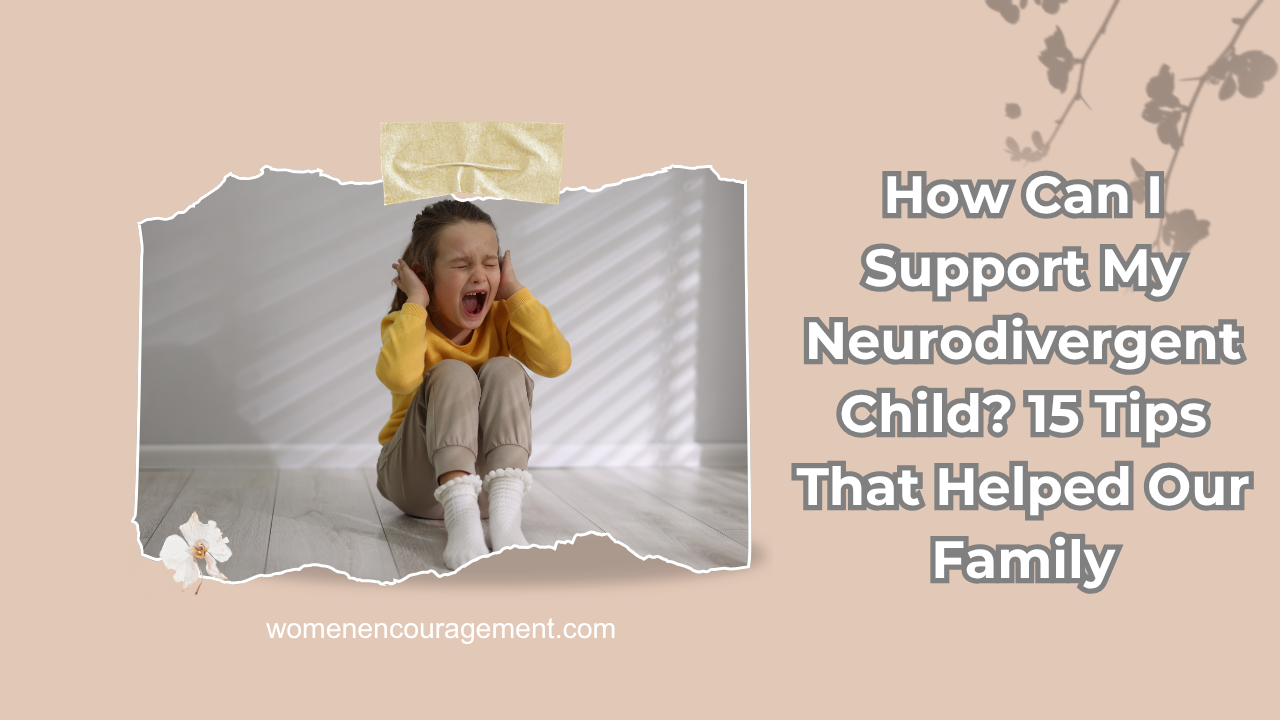
    Help Your Child Feel Calmer and Have Fewer Meltdowns: 5 Simple Strategies That Work

    Overstimulated? Have you ever watched your child completely melt down over something that seemed small?

    The wrong color cup. A tag in a shirt. Changes in plans. Too loud room. A sibling breathing too loudly. If so, you’re not alone. These can all be overstimulating.

    As a mom of three children on the autism spectrum, I’ve learned something important over the years:

    A meltdown is often the end of a struggle you never got to see.

    Many children today are dealing with more stimulation than ever before. Noise, screens, schedules, social demands, bright lights, transitions, and constant activity can leave their little nervous systems feeling overwhelmed.

    Here are 5 Signs Your Child is Overstimulated.

    1. They Become Irritable Over Small Things
    2. They Start Seeking More Control
    3. Increased Noise Sensitivity
    4. Emotional Reactions Become Bigger
    5. They Withdraw or Shut Down

    The good news? There are practical things we can do to help.

    1. Watch for the Early Warning Signs

    Overstimulation: Most meltdowns don’t come out of nowhere.

    They build.

    Your child may become:

    • Irritable
    • Extra emotional
    • Restless
    • Withdrawn
    • Sensitive to noise or touch

    Learning your child’s early warning signs can help you intervene before they reach their breaking point. This may intercept a meltdown. Addressing overstimulation before it hits the fan. Intercepting being overstimulated before it is full meltdown mode is so rewarding for the whole family.

    Zinger: Behavior is communication before it’s a problem.

    Info graphic: 5 Ways to Calm an Angry Child

    2. Create Calm Spaces

    Every child needs a place to decompress.

    This doesn’t need to be fancy. They may include:

    Bean bag.

    Blanket.

    Favorite stuffed animal.

    Quiet corner.

    Diffuser with calming oils.

    Think of it as an emotional charging station. Children often regulate better when they have a safe place to reset. This can be such a game changer for an overstimulated child.

    Zinger: Even little people need space to breathe.


    3. Reduce Sensory Overload

    Sometimes what looks like bad behavior is actually an overwhelmed nervous system.

    Consider:

    • Lowering background noise
    • Reducing screen time
    • Building quiet breaks into the day
    • Avoiding overscheduling
    • Using noise cancelling headphones
    • Rubbing essential oils on wrists or chests before going into overstimulating areas

    The goal isn’t to eliminate life, it’s to create enough margin for recovery. An overstimulated child may find a calm down area so refreshing.

    Zinger: An overwhelmed nervous system often looks like bad behavior.


    4. Prioritize Sleep

    Sleep affects everything.

    Mood.

    Focus.

    Emotions.

    Patience.

    When children are tired, even small frustrations can feel huge. One of the best investments you can make is creating a predictable bedtime routine. Children thrive when they know what comes next.

    Our ABA therapist suggested I use first and then with my children. This went like, “First, we put shoes on, then we go outside.” First, we get in the car, then you get your water cup.” Etc. This strategy made life feel more tolerable and easier to manage.

    Overstimulated children do best with structure.

    Zinger: A tired child often fights sleep the hardest.


    5. Connect Before You Correct

    This may be the most important tip of all.

    When emotions are high, lectures rarely work.

    What children often need first is connection.

    A hug with a calm voice. Then, a reminder that they’re safe. Once they’re regulated, then we can teach.

    Zinger: Connection opens doors that correction can’t.

    The truth of the matter is that children behave better when they feel understood. When children are overstimulated they may not even understand their behavior at that time. These children tend to go into fight or flight mode in this arroused state.


    A Few Things That Helped Our Family

    Every child is different, but some of the things we found helpful included:

    • Consistent routines
    • Earlier bedtimes
    • Reduced sensory overload
    • Quiet time throughout the day
    • Calming bedtime rituals
    • Visual Schedules

    Some families also enjoy incorporating plant-based wellness products into their evening routine.

    Products

    Young Living Products for this occasion

    Products that helped us with overstimulation include:

    Young Living’s Unwind for bed time or after a hard day at school.

    Box of Unwind Pixie type sticks

    Another huge help is Kidscents Sleepyze. My kids appear more rested and grounded when I’ve been able to apply this to their feet or have it in their diffusers over night.

    sleepyze oil blend for children (I use it too)

    Kid Power is another essential oil blend made for children. I use it myself for its grounding, hopeful scent. A friend has his children apply it to their chests when he sees them getting grumpy. He states that it pulls the kids right back around in a better state of being.

    Kidpower essential oil blend info graphic

    Another tried and true oil blend is Peace and Calming. If we’ve had big emotions, I throw this in the diffuser. It is such a “light” scent, the kids never notice. However, it sure changes the atmosphere.

    Peace and calming is nice at night for sleeping as well. This one is not specifically diluted for children as the others are.

    Peace and calming oil blend.

    These products aren’t a substitute for healthy routines, but they can be a nice addition to a calming evening ritual.


    Final Thoughts

    If your child gets overstimulated easily, please hear this:

    Some children simply experience the world more intensely than others.

    The goal isn’t to make them less sensitive.

    The goal is to help them feel safe, understood, and equipped to navigate those big feelings.

    Because sometimes a meltdown isn’t defiance.

    It’s a nervous system asking for help.

    Free Gift

    If bedtime is one of the hardest parts of your day, I’ve created a free guide called:

    “The Nighttime Routine for Neurospicy Kids”

    Inside, I’ll walk you through simple strategies that helped our family create calmer evenings, smoother transitions, and better sleep.

    Because every child deserves a peaceful place to land at the end of the day.

    A woman reading to her daughter during a relaxing evening routine
    Take the dread out of going to bed with this free E Book to help make going to sleep way better.

    For more on this topic, check out this post: Conquering Bedtime Procrastination. Have fun. I bet you smile reading that one.

  • Why Can’t I Remember Why I Walked Into the Room?

    Why Can’t I Remember Why I Walked Into the Room?

    Why Can’t I Remember Why I Walked Into the Room?

    Simple Ways to Support Memory and Focus Naturally After 40

    Have you ever walked into a room and completely forgotten why you went there?

    Or maybe you’ve found yourself:

    • forgetting names
    • losing your train of thought
    • struggling to focus
    • misplacing your keys
    • walking into a room and wondering, “Why am I here?”

    If so, you’re not alone.

    Many women notice changes in memory and focus after 40.

    The good news?

    Occasional forgetfulness doesn’t automatically mean something is wrong.

    Often, our brains are simply dealing with a lot.

    Between family responsibilities, careers, stress, hormone changes, and information overload, it’s no wonder our minds sometimes feel overwhelmed.

    Let’s talk about a few natural ways to support memory and mental clarity.


    Why Memory Can Feel Different After 40

    Why you may not remember why you walked into a room?

    Several factors may affect memory and focus, including:

    • chronic stress
    • poor sleep
    • hormone fluctuations
    • lack of physical activity
    • inadequate nutrition
    • mental overload
    • dehydration

    The brain thrives when the body is supported.

    Which means many of the same habits that support overall wellness may also support healthy cognitive function.


    Natural Ways to Support Memory and Focus so you can remember why you walked into a room

    1. Challenge Your Brain

    Your brain loves learning.

    Try:

    • crossword puzzles
    • Sudoku
    • word games
    • jigsaw puzzles
    • learning a new skill
    • reading books
    • taking a class

    Think of it as exercise for your brain.


    2. Move Your Body Daily

    Physical activity supports healthy circulation throughout the body, including the brain.

    Simple ideas:

    • walking
    • stretching
    • yoga
    • dancing
    • strength training

    You don’t need perfection.

    Consistency matters more.


    3. Eat Foods That Support Brain Health

    Focus on whole foods whenever possible.

    Examples include:

    • leafy greens
    • berries
    • avocados
    • eggs
    • nuts
    • seeds
    • salmon
    • olive oil

    These foods provide nutrients that support overall wellness and healthy brain function.


    4. Prioritize Sleep

    Sleep is one of the most important times for the brain.

    During sleep, the brain works to process information and consolidate memories.

    If you’re struggling with memory, improving sleep may be one of the most impactful steps you can take.


    5. Reduce Stress

    Chronic stress can make concentration and memory more difficult.

    Try:

    • prayer
    • journaling
    • deep breathing
    • time in nature
    • unplugging from screens
    • spending time with people you love

    A calmer mind often thinks more clearly.


    6. Stay Hydrated

    Even mild dehydration can affect focus and concentration.

    Try carrying a water bottle and sipping throughout the day.

    Small habits add up.


    Wellness Products I Personally Use

    As part of my wellness routine, I also enjoy using a few plant-based products that support my overall cognitive wellness goals.

    These products are not intended to diagnose, treat, cure, or prevent disease.

    MindWiseโ„ข

    MindWise is formulated with ingredients selected to support healthy brain function and cognitive wellness as part of a healthy lifestyle.

    Many people enjoy using it as part of their daily wellness routine.


    Brain Power Essential Oil Blend

    Brain Power combines several essential oils that many people enjoy diffusing, inhaling, or applying as part of a focus-supporting routine.

    I personally enjoy using it during work, reading, and learning.


    Reconnect Kit

    The Reconnect Kit includes products designed to support overall wellness, focus, and healthy daily routines. It is specifically made for children (think neurodivergent)

    Many families enjoy incorporating these products into their wellness lifestyle by applying them to the bottoms of children’s feet or diffusing these oils.

    Reconnect Kit for children

    Final Thoughts

    If you’ve ever walked into a room and forgotten why you were there, welcome to the club.

    Sometimes our brains aren’t failing.

    They’re simply overloaded.

    Supporting memory isn’t usually about finding a magic solution.

    It’s about:

    • nourishing the body
    • challenging the brain
    • reducing stress
    • sleeping well
    • staying active
    • building healthy daily habits

    Small steps today can support a healthier, sharper tomorrow.


    Download My Free Wellness Guide

    If you’re looking for realistic wellness habits that fit real life, I’d love to send you my free Wellness Guide.

    Inside you’ll discover:

    • stress-support habits
    • energy-support tips
    • healthy routines
    • hydration strategies
    • simple wellness practices for busy women

    Download your free Wellness Guide today.

    Wellness E Book Cover

    For More on this Subject:

    If you still want more information on subjects such as “Why Can’t I remember,” check out A Gentle Approach To Hormone Balance.

  • Reduce Stress Naturally

    Reduce Stress Naturally

    How to Reduce Stress Naturally When Life Feels Like Too Much

    Reduce Stress? Simple Wellness Habits for Overwhelmed Women Over 40

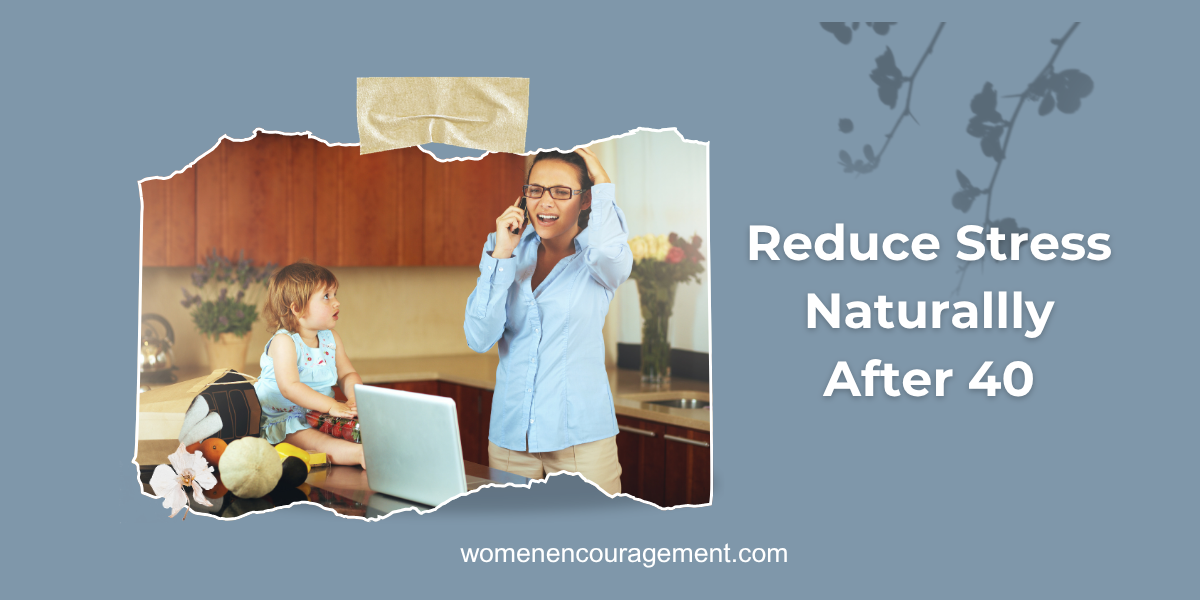
    Woman stressed with baby sitting on counter of kitchen

    Stress? Do you ever feel like you’re carrying the weight of the world on your shoulders?

    Not just physically, but mentally, emotionally, and spiritually. You wake up tired, pushing through the day and still taking care of everyone else. Then you crawl into bed wondering why you feel so exhausted, overwhelmed, and unlike yourself.

    If that sounds familiar, friend, you are not alone. This is a WE issue. We all deal with the same things, even putting our pants on the same way – ha! Let’s find how to reduce stress naturally.

    Many women over 40 are carrying more responsibility than ever before:

    • raising children
    • caring for aging parents
    • managing careers
    • handling finances
    • supporting family members
    • navigating hormone changes
    • trying to stay healthy
    • balance online friends
    • keeping up with extended family
    • so many plates, in the air, at the same time.

    It’s a lot. So much for one person to carry.

    The good news is that stress doesn’t have to run the show. While we can’t eliminate every challenge in life, there are simple ways to support the body and mind naturally.

    Let’s talk about them.


    What Stress Can Look Like in Women Over 40 (Reducing Stress Naturally)

    Stress doesn’t always show up as feeling anxious. Sometimes it looks like:

    • exhaustion
    • brain fog
    • irritability
    • tension headaches
    • neck and shoulder tightness
    • poor sleep
    • sugar cravings
    • low motivation
    • feeling overwhelmed
    • waking up tired

    Many women assume something is wrong with them. But often, the body is simply responding to an extended season of pressure.

    The body keeps score. Which is why supporting your body matters.


    5 Natural Ways to Reduce Stress Naturally

    1. Get Outside Every Day

    Fresh air, sunlight, and movement are powerful.

    Even a 10-minute walk can help create a break from the constant demands of life. You don’t need a perfect fitness routine, moving is all that is needed.

    Try:

    • walking after dinner
    • sitting on the porch with your coffee
    • taking a quick walk around the block
    • stretching outside

    Small amounts count.


    2. Release Stress Stored in the Body

    Many women carry stress in their:

    • neck
    • shoulders
    • jaw
    • upper back

    Sound familiar?

    Try this simple stress reset:

    Doorway Stretch

    • Stand in a doorway.
    • Place your forearms on the door frame.
    • Gently lean forward.
    • Hold for 20โ€“30 seconds.

    Shoulder Rolls

    • Roll shoulders backward 10 times.
    • Take three slow deep breaths.

    You’d be amazed how much tension we carry without realizing it. Hopefully, not with arson (๐Ÿ˜‚).


    3. Create a 5-Minute Quiet Routine

    You do not need an hour-long morning routine.

    You need a few moments of peace.

    Ideas:

    • prayer
    • journaling
    • reading Scripture
    • deep breathing
    • gratitude journaling
    • sitting quietly with a cup of tea

    The goal is simple:

    Create a small pocket of calm before the world starts demanding things from you.


    4. Simplify Your Life with Systems

    One of the biggest stress reducers I’ve discovered is creating simple systems.

    Things like:

    • meal planning
    • laying out clothes the night before
    • keeping a family calendar
    • creating routines
    • using checklists

    Systems reduce decision fatigue. And less decision fatigue means less stress. This is one reason I often say: “You don’t need more hustle. You need better systems.


    5. Support Your Body’s Basic Needs

    Sometimes the biggest improvements come from the simplest habits.

    Focus on:

    • drinking enough water
    • eating protein throughout the day
    • getting quality sleep
    • reducing excessive caffeine
    • moving your body regularly

    These basics are often overlooked, but they matter tremendously.


    Wellness Tools I Personally Enjoy to Reduce stress Naturally

    As part of my wellness routine, I also enjoy incorporating plant-based wellness products alongside healthy habits.

    These products are not intended to diagnose, treat, cure, or prevent disease.

    Stress Away

    Many people enjoy Stress Away as part of a calming evening routine, during quiet time, or while winding down after a busy day.

    stress away

    NingXia Red

    NingXia Red is an antioxidant-rich beverage that many people enjoy as part of their daily wellness routine.

    NingXia Red Drink

    Sleepyize

    Many women prioritize healthy sleep habits as part of stress management and overall wellness support. Sleepyize is one tool some people choose to include in their evening routine.


    Deep Relief Roll-On

    After long days spent at a desk or caring for others, many people enjoy Deep Relief as part of a self-care and relaxation routine.

    essential oil roller for soreness

    Final Thoughts

    Friend, if life has felt heavy lately, I want you to hear this: we are carrying a lot. It seems like in our 40s-50s, it starts to catch up with us. Ugh.

    But, my heart and hope is that we find tools that enable us to thrive in this post. Sometimes the most powerful thing you can do is stop trying to push harder and start supporting yourself better.

    Stress may be a part of life. But it doesn’t have to define your life. Small daily habits matter. Simple support matters. And so do you. You are a gift, we all are.


    Download My Free Wellness Guide

    If you’re an overwhelmed woman looking for simple, realistic wellness habits that fit real life, I’d love to send you my free Wellness Guide.

    Wellness E Book Cover

    Inside you’ll discover:

    • simple wellness routines
    • hydration tips
    • stress-support habits
    • sleep-support ideas
    • plant-based wellness education
    • realistic strategies for busy women

    Download your free Wellness Guide today and start taking small steps toward feeling more like yourself again.

    In closing, for more on this subject; check out this blog post about 4 Kick Ace Ways to Bust Stress. For more holistic health strategies: check out this page full of solutions to different health and personal care challenges.

    I hope this gives you ideas how you too can reduce stress… naturally. Be blessed!

  • How to Reduce Dental Anxiety Naturally (Without Medication)

    How to Reduce Dental Anxiety Naturally (Without Medication)

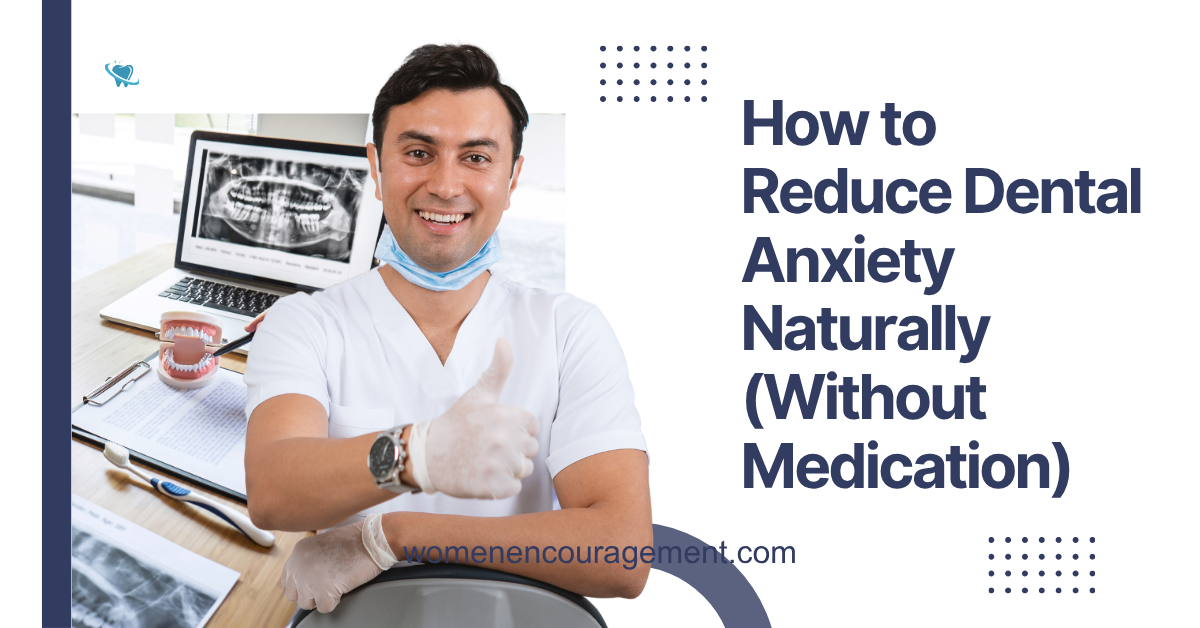
    How to Reduce Dental Anxiety Naturally

    The Reality in Most Dental Offices

    Did you know that a significant number of patients experience dental anxiety?

    That often looks like:

    • Nervous patients in the waiting room
    • Children who struggle to cooperate
    • Longer, more difficult appointments
    • Increased stress on your team

    And most offices assume this is just โ€œpart of the job.โ€

    ย 

    The Hidden Cost of Dental Anxiety

    When patients feel anxious:

    • They avoid appointments
    • They are more sensitive to pain
    • They require more time and reassurance
    • The entire appointment becomes more difficult

    Research shows dental anxiety can even impact long-term oral health and patient compliance.ย 

    In other wordsโ€ฆ
    This isnโ€™t just emotionalโ€”it affects outcomes.But it doesnโ€™t have to be.

    A Simple, Natural Solution

    Thereโ€™s a growing body of research supporting a simple approach:

    Aromatherapy using essential oil diffusion

    No major changes.
    No disruption to workflow.

    Just:

    • A diffuser
    • A few drops of oil
    • A calmer environment

    What the Research Shows

    Clinical studies have shown measurable effects:

    Patients exposed to lavender aroma hadย lower anxiety levelsย in dental settingsย 

    Aromatherapy has been shown to improve:

    • Mood
    • Calmness
    • Overall patient experienceย 

    Randomized clinical trials show aromatherapy canย reduce anxiety, heart rate, and even pain perceptionย during dental proceduresย 

    This is not just โ€œit smells nice.โ€
    This is physiological impact.

    Where This Really Shines: Pediatric Patients

    This is where things get especially interestingโ€ฆ

    Children respondย very quicklyย to scent.

    Research shows:

    Orange (citrus) essential oil significantly reduced:

    • Stress hormone (cortisol)
    • Heart rate
      in children during dental visitsย 

    Studies also show bothย lavender AND orange oilsย reduced:

    • Anxiety
    • Pain during procedures

    Clinical trials found aromatherapy lowered:

    • Anxiety scores
    • Vital signs (like heart rate and blood pressure) in childrenย 

    Translation:

    • Kids feel calmer
    • They cooperate more easily
    • Appointments run smoother

    Scent is directly connected to the brainโ€™sย limbic system
    (the center for emotion and fear)

    That means:

    Youโ€™re not just โ€œcovering a smellโ€
    Youโ€™re influencing how a patient feels in real time


    How to Implement This in Your Office

    This is the best partโ€”itโ€™s simple:

    1. Place a diffuser in your waiting or treatment room
    2. Add 5-10 drops of essential oil
    3. Run it during office hours

    Thatโ€™s it.

    A Simple Done-For-You Option

    For offices that want a simple setupโ€ฆ

    We created aย Calm Dental Office Starter Kit:

    โœ” Professional diffuser
    โœ” Calming essential oils
    โœ” Simple usage guide

    No guesswork. No complexity.


    Next Step

    See the Calm Dental Office Starter Kit
    See HERE.

    Or Try It First

    We also offer a:

    Complimentary in-office scent demo

    So you can see how your patients respond in real time.

    Book a Free Demo
    HERE.

    About Me

    Hi, Iโ€™m Jennifer.

    I help dental offices and families create calmer, healthier environments using simple, natural solutions.


    Final Thought

    A calmer patient changes everything.


    ย 

  • You Didnโ€™t Fail. You Were Overwhelmed.

    You Didnโ€™t Fail. You Were Overwhelmed.

    You Didn’t Failย 

    We didn’t fail. ย We are all just overwhelmed at times. ย So many choices to choose from. ย Too many shiny objects glistening for our attention. ย It brings confusion, self doubt, and the question, “Is that going to be better than what I have?”

    If youโ€™ve spent money trying to figure out how to make money onlineโ€ฆ

    and it still hasnโ€™t workedโ€ฆ

    I need you to hear this:

    You didnโ€™t fail.

    You were overwhelmed. ย And to this I say, “Me too.” ย Been there. ย Done that.


    You Didn’t Fail at Trying

    You tried to follow programs and “solutions” that:

    ย 

      • required more time than you have

      • expected more energy than you can give

      • and assumed your life was quieter than it actually is
    • ย 
      • not to mention, you’d make way more money faster than even came close to being reality.

    Ouch.

    I know it hurts. ย Getting zero back from thousands invested stings. ย 

    Thatโ€™s not your fault.

    Thatโ€™s a mismatch.ย 

    (And honestly, there may be a method to get what you’ve invested back many times over. ย Stick around for more on that later. ย If you are really curious: message me any time.)


    You Didn’t Fail at Programs

    Most programs are built for people who can:

    ย 

      • sit and focus for hours

      • test things all day

      • think strategically without interruption
    • ย 
      • (These aren’t real people. ย At least not moms with little kids and lives outside of their phones and laptops.)

    Thatโ€™s not most moms (none that I know)!


    Fail? ย And Get Back Up – Smarter. ย Stronger.

    So what happens?

    You try.
    You get inconsistent.
    You feel behind.
    You start to question yourself.

    Insert the snow ball effect. ย The lapses keep compounding until quitting is the easiest or even just putting the “course” in the background and moving forward. ย Sound familiar?


    But hereโ€™s the truth:

    You donโ€™t need another course.

    You need:

    ย 

      • fewer steps

      • clearer direction (clarity is crucial)

      • something you can repeat on your hardest day

    And here is where we try again with our new smarts and strengths.


    Failing To Simplify

    I’m talking about something simple enough to follow even when youโ€™re tired.

    Simple strategies that make it easy to operate even on hard days. ย Think simple checklists, Daily Mission Operations, with emphasis on Income Producing Activities. ย Imagine waking up with clarity, knowing exactly what to do!


    Succeeding with Simple!

    Thatโ€™s what Iโ€™m building right now.

    Not perfect.
    Not fancy.

    Just real systems that work in real life. ย This isn’t fluff. ย If you’d like I will send you a simple list of 10 systems the simply implement today.


    And if youโ€™re still hereโ€ฆ still tryingโ€ฆ

    That means something. ย Youโ€™re not done. ย You just havenโ€™t had the right structure yet.


    Stay.

    Weโ€™ll figure it out together. ย I have ideas galore and if they worked for me: a single mom with 4 kids, (three that needed extra help)… you can do it too. ย 

    So stick around. ย The BEST is yet to come! ย Questions? ย Put them in the comments below. ย I’m here for you.

    Make sure to subscribe to my email, and you’ll receive my free E Book, 9 Streams of Income Working From Home. ย This resource is customized to you! ย 

    For more information along this topic, check out this post.ย 

    If you are feeling the Over Achiever rising up and want more, check out this book!


  • Overwhelmed Isnโ€™t a Personality Trait โ€” Itโ€™s a Nervous System State

    Overwhelmed Isnโ€™t a Personality Trait โ€” Itโ€™s a Nervous System State

    Overwhelm is often a nervous system state, not a character flaw. This article aims to assist readers in calming the overwhelm with actionable results we all can take to see progress.

    Overwhelmed? How does the Nervous System Play a Part?

    Overwhelmed often shows up as the nervous system is in Flight or Fight. When our nervous system is calm: it is in Rest and Regulated.

    The nervous system includes: energy levels, mood, hormones, focus and decision making. Physically, the anatomy includes the brain and spinal cord. Then it includes nerves and ganglia (think cables connecting it all).

    Next, there is the Somatic Nervous System (Voluntary)

    This system is under your conscious control.ย It allows you to move your skeletal musclesโ€”like when you decide to wave your hand or walk to the store.+1

    Autonomic Nervous System (Involuntary)

    This system runs on “autopilot.”ย It handles things you don’t think about, like digestion and your heartbeat.ย It is further divided into two famous responses:

    Parasympathetic:ย Theย “Rest and Regulated”ย response.ย It calms you down and helps your body recover.

    Sympathetic:ย Theย “Fight or Flight”ย response.ย It revs you up during stress (faster heart rate, dilated pupils).

    The entire system is built from two types of specialized cells:

    • Neurons (Nerve Cells):ย The stars of the show.ย They transmit the electrical signals.ย Each has a cell body,ย dendrites(to receive signals), and anย axonย (to send signals).+2
    • Glia (Glial Cells):ย The “support crew.”ย They protect, nourish, and insulate the neurons so they can work efficiently

    Signs Our Nervous System is Dysregulated

    I’ve been in relationships that have been so hard on my nervous system. Symptoms include:

    • Feeling overwhelmed easily
    • Constant fatigue
    • Irritability
    • Anxiety
    • Brain fog
    • Trouble sleeping
    • Feeling emotionally reactive
    • Difficulty focusing or completing tasks

    These are way too common in my life. (These also sound like perimenopause – yikes).

    Why Mom’s Are Especially Vulnerable

    Mom’s experience this more for many reasons. Think:

    • Constant responsibility
    • Lack of rest
    • Mental load
    • Hormonal shifts
    • Lack of support
    • Chronic multitasking
    • Solving So Many Mysteries

    For many of us, we have experienced the inability to accomplish much at all and there are reasons for this:

    You cannot build clarity, income, or stability from a disregulated state ย Calm nervous systems make better decisions

    Regulation increases capacity, focus, and resilience. So now, let’s explore ways to get regulated and diminish the overwhelm.

    Simple Daily Practices That Support Nervous System Regulation

    Morning:

    • Avoid phone immediately
    • Get sunlight
    • Hydrate

    Throughout the day:

    • Slow breathing
    • Gentle movement
    • Taking breaks

    Evening:

    • Reduce stimulation
    • Calm environment
    • Consistent sleep schedule

    Focus on consistency, not perfection.

    Personal Story:

    After my husband left me in a very overwhelming, chaotic marriage. I found my days braced for impact. My nervous system was on high alert constantly.

    Reading the Bible was such a life line. Tapping helped. I practiced grounding at least daily. But what helped the very most is my small tweak that I added to my morning routine.

    Every morning, I start by applying Frankincense Essential oil to the bottoms of my feet, along with Ground oil blend. This assisted me in relaxing.

    What made an even bigger impact, is putting relaxing oils in the diffuser at night. Waking up feeling more rested is wonderful.

    My nervous system is improved as I speak positive affirmations forth daily. The mantra of my life is that my best days are ahead.

    Practicing nervous system regulating has such great benefits. It is very worth all of the hard work (Five years of trauma therapy weekly).

    Benefits of Regulating the Nervous System

    For one, I feel more relaxed. My shoulders aren’t up by my ears anymore. Being able to smile and enjoy is such a blessing.

    Clarity is a huge deal to me. Used to, my past, trauma, and shame kept me under a heavy weight. The constant chaos with overwhelm is gone. Thank God!

    My emotions are much more stable. It feels not fixating on every challenge. Not lashing out at others in adverse circumstances feel very positive (for those around me to). Stable emotions have helped me trust myself again as well. ย I’m human, I still mess up at times; stability is normal for me now.

    Energy is better. I believe because I am not focused on all the things out of my control anymore. Overwhelm sometimes consists of things we can’t control, doesn’t it?

    Without the cloud of a disregulated nervous system, I can make decisions much easier. Leadership is something I’m more prepared for.

    Recap:

    Yes, getting out from under Nervous Dysregulation takes so much effort, the breakthrough is worth it! Consistency over perfection. Lately, when I am dysregulated, I’ve been grabbing lavender oil and smelling it in the cups of my hands. It helps me within seconds.

    Remember, we are not broken. Nervous system disregulation occurs for many reasons. Regulating is a learned skill. Small steps create real change. Make sure to give ourselves grace. We are human. Perfection is too high of a goal.

    What is your “go to,” when you are off? I’d love to hear in the comments below. What do you have to say about this subject? Let’s learn together. We are stronger together, better together.

    Conclusion:

    When the nervous system is more regulated, everything becomes easier. Decision making is more automated. Clarity increases. Confidence grows. This is where real change begins.

    For more on this topic, check out: This Post. Once you are more regulated, you can start building multiple streams of income. If you are interested, download my Discover Your $1,000.00 a Month Income Ideas.

    ย 

Free E Book Cover
Join Legacy Builders Like You - Let's Be Healthy and Wealthy Together!

DOWNLOAD MY FREE
EBOOK

11 Streams of income working from home – A FREE guide to give you so many options to begin to Build Your Empire and Fund Your Freedom!