I never realized how miserable acid reflux could make someone feel until I started talking with friends who dealt with it almost every day. Burning in the chest. Waking up at night. Avoiding favorite foods. Carrying antacids everywhere. The feeling like their gut was on fire.
If you’ve ever wondered, “Is there anything I can do naturally before reaching for another antacid?” you’re not alone.
While persistent reflux should always be discussed with your healthcare provider, many people find that simple lifestyle changes can significantly reduce symptoms.
Let’s look at ten science-backed habits that may help.
What Is Acid Reflux?
Explain briefly:
Stomach acid moves back into the esophagus.
Causes burning, sour taste, coughing, throat irritation and sometimes chest discomfort.
Frequent symptoms (more than twice a week) may indicate GERD and deserve medical evaluation.
10 Natural Ways to Help Prevent Acid Reflux
1. Avoid Overeating
Large meals stretch the stomach and increase pressure, which decreases the risks of acid reflux and heartburn.
Try:
Smaller meals
Eat slowly
Stop before you’re overly full
2. Don’t Lie Down Right After Eating
One of the simplest tips. Wait about 2–3 hours before going to bed. This is a great aid in reducing acid reflux and heart burn.
3. Learn Your Acid Reflux Trigger Foods
Everyone’s list is different.
Common triggers include:
Fried foods
Chocolate
Peppermint
Tomatoes
Citrus
Coffee
Alcohol
Spicy foods
Carbonated drinks
Keeping a food journal can help identify personal triggers.
4. Maintain a Healthy Weight
Extra abdominal pressure can worsen acid reflux. Even modest weight loss may improve symptoms for some people.
5. Elevate the Head of Your Bed
If reflux happens mostly at night, raising the head of the bed (rather than simply adding pillows) may help reduce nighttime symptoms.
6. Eat More Slowly
Eating quickly often leads to swallowing more air and overeating.
Slow meals are easier on digestion.
7. Avoid Tight Clothing Around the Waist
Tight waistbands may increase abdominal pressure after meals.
8. Stop Smoking (If Applicable)
Smoking can weaken the lower esophageal sphincter, making reflux more likely.
9. Manage Stress
Stress doesn’t directly cause reflux, but many people notice symptoms worsen during stressful seasons.
Simple habits like:
Walking
Prayer
Deep breathing
Better sleep
Time outdoors
may help reduce overall stress.
10. Support Healthy Digestion
Good digestion begins long before symptoms start.
Many people benefit from:
Drinking enough water
Eating fiber-rich foods
Choosing whole foods more often
Staying physically active
When to See Your Doctor
Don’t ignore reflux if you have:
Difficulty swallowing
Unexplained weight loss
Vomiting blood
Black stools
Severe chest pain
Frequent symptoms despite treatment
These require prompt medical evaluation.
Natural Wellness Tools That May Complement a Healthy Lifestyle
While no supplement or essential oil is a treatment for acid reflux or GERD, some people choose wellness products as part of an overall digestive-support routine.
Three Young Living products that may complement healthy lifestyle habits include:
Supports a healthy gut microbiome with probiotic strains. I can tell a huge negative impact when I do not take this. When I’m taking it, regularly, my gut is more calm and stable feeling.
Some people enjoy applying DiGize topically (properly diluted) over the abdomen for digestive comfort. It should never be ingested unless specifically labeled and directed for that use. I am some people. I use this faithfully before I sleep at night. I sleep better when my tummy comfortable.
This oil blend is forever a permanent fixture in our house because it is a life saver! Any upset tummy: this is the first line of defense for us.
My Encouragement
Our bodies often whisper before they shout. Sometimes acid reflux is our body’s gentle reminder to slow down, reduce stress, change eating habits, or take better care of ourselves. Small changes repeated every day often add up to big improvements over time.
Have you suddenly developed explosive diarrhea, stomach cramps, or nausea after eating fresh fruits or vegetables?
If so, you’re not alone.
Cyclospora has been making headlines recently after outbreaks linked to contaminated fresh produce. While most of us never think twice about grabbing a salad or fresh berries, foodborne illnesses can happen—even when we’re trying to eat healthy.
The good news is that there are practical steps you can take to help protect yourself, recognize the symptoms, and support your body while you recover.
Let’s dive in.
What Is Cyclospora?
Cyclospora is a microscopic parasite that can infect your intestines after eating contaminated food or drinking contaminated water.
Unlike a typical 24-hour stomach bug, Cyclospora symptoms can last for days or even weeks if left untreated.
Because it often comes from fresh produce, many outbreaks are linked to foods we normally consider healthy.
Common Symptoms of Cyclospora
Symptoms may include:
Watery diarrhea
Explosive diarrhea
Frequent trips to the bathroom
Stomach cramps
Bloating
Gas
Nausea
Fatigue
Loss of appetite
Weight loss
Low-grade fever (sometimes)
If your symptoms are severe, last more than a couple of days, or you’re becoming dehydrated, contact your healthcare provider. Cyclospora often requires prescription medication to fully treat the infection.
10 Natural Ways to Support Your Gut While Recovering
While these suggestions are not a treatment for Cyclospora, they may help support your body while you recover.
1. Stay Hydrated
Diarrhea causes your body to lose both water and electrolytes.
Drink plenty of:
Water
Electrolyte beverages
Broth
Herbal tea
Small, frequent sips are often easier on your stomach.
2. Eat Bland Foods
When your stomach is upset, stick with foods that are gentle on digestion.
Examples include:
Bananas
Rice
Applesauce
Toast
Oatmeal
Plain potatoes
3. Avoid Greasy or Spicy Foods
Fatty foods can make diarrhea worse.
Give your digestive system a chance to recover before returning to heavier meals.
4. Limit Dairy Temporarily
Some people temporarily become more sensitive to dairy products after a stomach illness.
If milk products seem to make symptoms worse, consider taking a short break from them until you’re feeling better.
5. Rest
Healing takes energy.
Give yourself permission to slow down and let your body recover.
6. Rebuild Your Gut
Many people focus on restoring healthy gut bacteria after gastrointestinal illnesses.
One of my favorite products is Young Living Life 9®, a probiotic that supports digestive wellness as part of a healthy lifestyle.*
I also enjoy Life9, another probiotic option designed to support overall gut health.*
7. Nourish Your Body
As your appetite returns, choose foods rich in nutrients:
Lean protein
Fruits
Cooked vegetables
Healthy fats
Whole grains
Your body needs quality nutrition while healing.
8. Continue Drinking Fluids
Even after symptoms improve, continue replacing fluids throughout the day. Hydration supports your entire body.
9. Support Overall Wellness
One of my family’s favorite daily wellness drinks is NingXia Red®.
It contains wolfberries and antioxidants that support overall wellness as part of a balanced lifestyle.*
10. Follow Your Doctor’s Recommendations
Cyclospora usually doesn’t go away as quickly as a common stomach virus.
If your healthcare provider recommends testing or prescription medication, be sure to follow their guidance.
How Can I Help Prevent Cyclospora?
Although no method completely guarantees prevention, practicing good food safety can help lower your risk.
Here are a few habits our family follows.
Wash Fresh Produce Thoroughly
Fresh fruits and vegetables are wonderful for your health—but they should always be washed before eating.
We use it as part of our produce-cleaning routine to help remove dirt, waxes, and surface residues before giving everything a good rinse with clean water. It’s become one of our favorite healthy kitchen habits.
Consider Cooked Vegetables During Outbreaks
If there is an active foodborne illness outbreak involving fresh produce, cooked vegetables may be a good alternative until more information becomes available.
Cooking can reduce the risk from many foodborne pathogens.
Wash Your Hands
Wash your hands with soap and water:
Before preparing food
Before eating
After using the restroom
After handling fresh produce
Good hand hygiene is one of the easiest ways to reduce the spread of germs.
Keep Your Kitchen Clean
Wash:
Cutting boards
Knives
Countertops
Produce brushes
Colanders
Avoid cross-contamination between fresh produce and raw meats.
Stay Informed
Food recalls happen more often than many people realize.
Pay attention to announcements from public health officials and avoid recalled products if an outbreak is identified.
If You’re Avoiding Produce:
If you’re trying to avoid Cyclospora, you may temporarily avoid raw salads, uncooked vegetables, and certain fresh fruits and vegetables. This can make it difficult to get the nourishment our bodies need.
Some people also choose to use high-quality nutritional supplements to help support their overall wellness during this outbreak.
Here are a few Young Living products that may complement a healthy supplementation:
MultiGreens®
When fresh salads aren’t appealing, MultiGreens provides a convenient blend of nutrient-rich greens, fruits, vegetables, herbs, and antioxidants. It can be an easy way to help fill nutritional gaps while you’re staying safe. (I take this daily).
This fills so many gaps. Master Cellular Formula supplies a broad spectrum of vitamins, minerals, and plant-based nutrients that help support normal immune function, healthy energy production, and overall wellness. (I take this daily).
My Favorite Digestive Wellness Products
While these products are not intended to diagnose, treat, cure, or prevent any disease, they’re some of my family’s favorite wellness products for supporting a healthy lifestyle.
Part of our family’s produce-cleaning routine to help remove dirt, waxes, and surface residues before rinsing.
Final Thoughts
Stomach illnesses can be miserable.
If you think you may have Cyclospora, don’t ignore persistent diarrhea or signs of dehydration. Reach out to your healthcare provider, especially if symptoms continue for several days or become severe.
At the same time, simple healthy habits—staying hydrated, eating nourishing foods, practicing good food safety, and supporting your digestive wellness—can help you care for your body during recovery.
Want more simple ways to support your family’s health naturally?
Download my FREE Wellness Guideand discover practical tips for creating a healthier home, supporting your immune system, improving digestion, and reducing everyday toxins.
This article is for educational purposes only and is not intended to diagnose, treat, cure, or prevent any disease. Always consult your healthcare provider regarding any medical concerns or before beginning any new supplement or wellness routine. Young Living products are intended to support general wellness and should be used according to their labeling.
For more along these lines check out my post about gut health: HERE.
If you’ve ever found yourself thinking, “Why do I keep getting urinary tract infections?”, you’re definitely not alone.
Millions of women experience urinary tract infections (UTIs) every year, and for some, they seem to come back again and again. Recurrent UTIs can be frustrating, uncomfortable, and sometimes even affect your confidence and daily life.
The good news is that while no natural habit can guarantee you’ll never get another UTI, there are several evidence-based lifestyle changes that may help lower your risk and support a healthy urinary tract.
Let’s take a look at ten simple habits that may make a difference.
What Is a Urinary Tract Infection?
UTI’s, or formally a urinary tract infection occurs when bacteria enter the urinary tract and multiply, causing irritation and infection.
Common symptoms include:
A burning sensation while urinating
Frequent urges to urinate
Feeling like you still need to go after emptying your bladder
Cloudy or strong-smelling urine
Pelvic discomfort
Blood in the urine (sometimes)
If you develop a fever, chills, severe back pain, vomiting, or think the infection may have spread to your kidneys, seek medical attention promptly.
Why Do Some Women Get Frequent UTIs?
Several factors can increase the risk of recurrent UTIs, including:
Not drinking enough water
Holding your urine for long periods
Sexual activity
Menopause and lower estrogen levels
Certain birth control methods
Constipation
Diabetes
Structural urinary tract problems
A previous history of recurrent infections
Understanding your personal risk factors is an important first step toward prevention of UTIs.
10 Natural Ways to Help Lower Your Riskof UTIs
1. Drink Plenty of Water
Water helps dilute your urine and encourages regular urination, which can help flush bacteria from the urinary tract.
Aim to drink enough fluids throughout the day so your urine stays light yellow.
2. Don’t Hold Your Urine
When you feel the urge to go, don’t wait.
Regularly emptying your bladder gives bacteria less opportunity to multiply.
3. Pee After Sex
This is one of the simplest habits you can develop.
Sexual activity can move bacteria closer to the urethra. Urinating after sex may help flush bacteria out before they have an opportunity to multiply.
Many healthcare providers recommend making this part of your routine.
4. Wipe Front to Back
Always wiping from front to back helps reduce the chance of moving bacteria from the rectal area toward the urethra.
It’s a simple habit that can make a big difference.
5. Wear Breathable Cotton Underwear
Cotton allows better airflow and helps reduce moisture.
Warm, damp environments allow bacteria to grow more easily, so breathable fabrics are often a better choice.
6. Change Out of Wet Clothing
Whether you’ve been swimming or exercising, avoid staying in wet swimsuits or sweaty workout clothes for long periods.
Dry clothing helps create a healthier environment for your skin.
7. Avoid Harsh Feminine Products
Douches, scented sprays, powders, and heavily fragranced soaps may irritate delicate tissues.
Gentle cleansing with warm water and mild products is often all that’s needed.
8. Prevent Constipation
Many people don’t realize constipation can place pressure on the bladder and affect how completely it empties.
Eating plenty of fiber, drinking water, and staying active all support healthy digestion.
9. Talk to Your Healthcare Provider About Menopause
As estrogen naturally declines after menopause, changes in the urinary tract can increase the risk of recurrent UTIs for some women.
Your healthcare provider can discuss treatment options that may be appropriate for your individual situation.
10. Don’t Ignore Frequent Infections
If you continue getting UTIs several times a year, it’s worth discussing with your healthcare provider.
Sometimes recurrent infections have an underlying cause that deserves further evaluation.
My Favorite Young Living Products for Everyday Wellness
While healthy habits like drinking plenty of water, practicing good hygiene, urinating after sex, and working with your healthcare provider are the foundation of urinary tract health, I also enjoy a few Young Living products as part of my overall wellness routine.
These products are not intended to diagnose, treat, cure, or prevent urinary tract infections.
Kidney & Bladder Support is one of my personal favorites. It’s formulated with a blend of herbs traditionally used to support normal kidney and bladder function as part of a healthy lifestyle.
This stuff doesn’t taste great, although in time I’ve grown to love it! My friends mix it with other drinks. I take it straight down the hatch.
NingXia Red is my favorite daily wellness drink. It contains antioxidant-rich wolfberry puree and a blend of fruit juices, making it an easy addition to my everyday routine.
Life 9 is a probiotic supplement that supports digestive health and a balanced gut microbiome. Supporting overall wellness is something I believe benefits every part of our health journey.
When to See Your Healthcare Provider
Contact your healthcare provider if you:
Have a fever or chills
Experience severe back or side pain
Notice blood in your urine
Are pregnant and think you have a UTI
Have symptoms that don’t improve
Experience frequent or recurrent UTIs
Prompt evaluation and treatment can help prevent complications.
Final Thoughts
If you’ve been wondering, “Why do I keep getting UTIs?”, know that you’re not alone.
Small daily habits—like staying hydrated, urinating after sex, avoiding harsh feminine products, and paying attention to your body’s signals—can go a long way toward supporting urinary tract health.
Progress doesn’t happen overnight, but simple, consistent choices often make the biggest difference.
Healthy living isn’t about perfection—it’s about taking one simple step at a time.
If you’d like more practical, science-informed wellness tips, I’d love to invite you to download my Free Wellness Guide.
Inside you’ll discover simple ways to reduce your everyday chemical exposure, support your overall wellness, and create a healthier home for yourself and your family.
Constipation: Passing everything except the bathroom.
Constipation isn’t exactly a topic most of us enjoy talking about. But if you’re struggling with infrequent bowel movements, bloating, or feeling uncomfortable, you’re definitely not alone.
Many women over 40 experience constipation from time to time. Stress, diet, dehydration, medications, hormonal changes, and a busy lifestyle can all play a role.
The good news? Small daily habits may help support healthy digestion. Here is natural constipation relief:
1. Drink More Water
Your digestive system needs water to help keep things moving.
Aim to drink water consistently throughout the day instead of waiting until you feel thirsty.
2. Eat More High-Fiber Foods
Fiber helps add bulk to your stool and supports regular bowel movements. Foods that help constipation include:
Great choices include:
Apples
Pears
Berries
Oatmeal
Beans
Lentils
Broccoli
Chia seeds
Flaxseed
Increase fiber gradually and be sure to drink plenty of water.
3. Take a Daily Walk
Movement helps stimulate your digestive system.
Even a 15 to 20-minute walk each day can support healthy bowel function.
4. Listen to Your Body
When you feel the urge to go, don’t ignore it.
Delaying bowel movements repeatedly can make constipation worse over time.
5. Feed Your Gut
Your gut bacteria play an important role in digestion.
Enjoy foods like yogurt with live cultures, kefir, sauerkraut, or other fermented foods if they fit your diet.
6. Create a Morning Routine
Many people find that sitting on the toilet for a few minutes after breakfast each morning helps establish a regular routine.
Consistency is often more important than rushing.
7. Manage Stress
Your brain and digestive system are closely connected.
Prayer, journaling, deep breathing, spending time outside, and quiet moments can all help support your body’s natural digestive processes.
8. Know When to See Your Doctor
Occasional constipation is common.
However, if you’re experiencing severe constipation, blood in your stool, persistent vomiting, significant weight loss, severe abdominal pain, or constipation that doesn’t improve, it’s important to seek medical evaluation. I hope this helps us all know how to stay regular after 40.
Wellness Products I Personally Enjoy
Healthy habits are always my first recommendation, but I also enjoy a few Young Living products as part of my daily wellness routine.
Daily Prebiotic Fiber is a fiber supplement designed to complement a healthy diet and support digestive wellness. I enjoy using it alongside plenty of water, fiber-rich foods, and regular movement.
Please note: These products are not intended to diagnose, treat, cure, or prevent any disease. I simply enjoy using them as part of a healthy lifestyle that includes good nutrition, hydration, movement, and healthy daily habits.
The Bottom Line
If you’ve been wondering, “Why am I so constipated?”, remember that your digestive system often responds best to small, consistent habits.
Start by drinking more water, eating more fiber, walking every day, and creating a regular routine.
Small steps really do add up.
Ready for One Small Healthy Habit?
If you’d like more motivation towards natural relief, download my free Wellness Guide today. I’d love to encourage you on your journey!
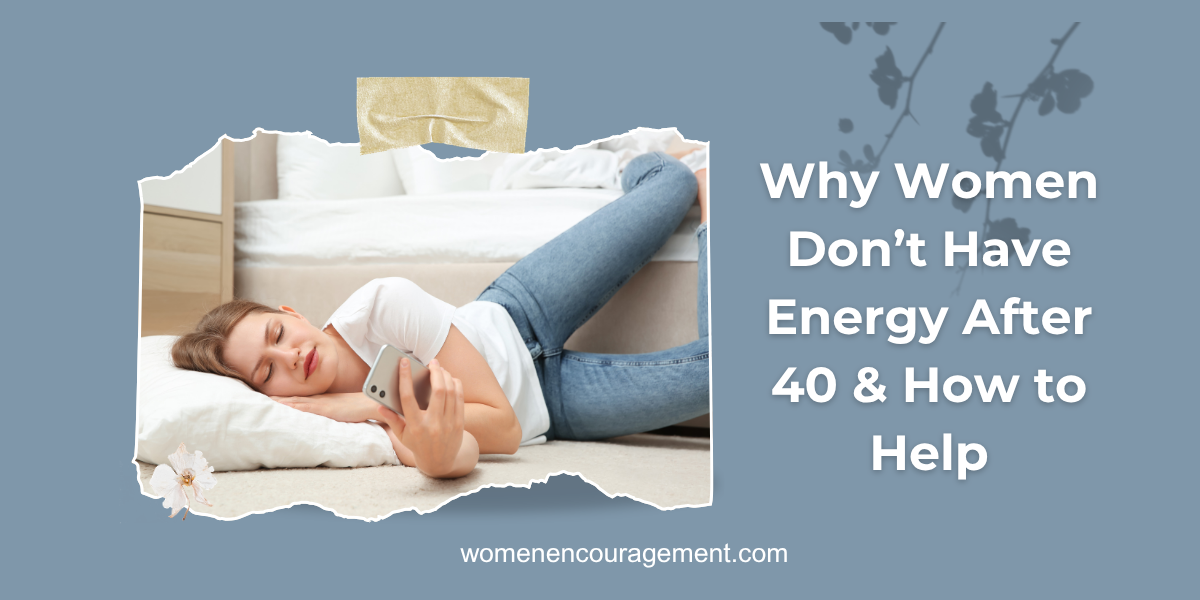
Why Have I Lost My Motivation and Energy? And Ways to Rebound Naturally
Energy? Lacking. Motivation? Far gone. Here are Simple Ways to Support Your Body and Mind When You Feel Stuck
Energy and Motivation? Say what?!?? Have you ever looked at your to-do list and thought: “I know what I should do… I just don’t have the energy to do it.” You aren’t alone.
One of the most common struggles I hear from women over 40 is this: “I don’t feel like myself anymore.” They aren’t unmotivated, lacking discipline, and they aren’t lazy either. Typically, women our age are just exhausted. There is a huge difference!
Many women spend years carrying:
careers
children
aging parents
financial responsibilities
household management
emotional labor
hormone changes
chronic stress
relationships
Eventually the tank starts running low. The scary part? Many women assume they simply need to try harder. But often the issue isn’t motivation. It’s depletion.
Motivation and Energy Are Not the Same Thing
This may surprise you. Most people think motivation comes first. In reality, energy often comes first.
When you’re:
exhausted
overwhelmed
stressed
under-slept
emotionally drained
it’s difficult to feel motivated. Imagine trying to drive a car with no gas in the tank. That’s what many women are doing every day. They’re trying to create momentum from an empty tank. No wonder they feel stuck.
Common Reasons Women Lose Motivation After 40
There can be many reasons, including:
chronic stress
poor sleep
hormone fluctuations
decision fatigue
burnout
lack of movement
dehydration
blood sugar swings
emotional exhaustion
information overload
Sometimes what feels like laziness is actually exhaustion. And exhaustion deserves support, not shame.
5 Natural Ways to Support Motivation and Energy
1. Stop Trying to Do Everything
Many women are carrying enough responsibility for three people.
One of the quickest ways to feel defeated is trying to tackle everything at once.
Instead ask:
“What is the next right thing?”
Not:
next 20 things
next 50 things
Just the next thing.
Small wins build momentum.
2. Move Before You Feel Like It
This sounds backward. But waiting to feel motivated often doesn’t work. Movement creates momentum. I’ve started taking evening walks and it has increased my energy level exponentially. (Thank God!)
Try:
a 10-minute walk
stretching
dancing to one song
a quick workout
The goal is not perfection. The goal is movement. Action often creates motivation.
3. Eat for Energy
Many women accidentally fuel exhaustion.
Examples:
coffee only
sugary breakfasts
skipping meals
grabbing processed snacks
Instead focus on:
protein
healthy fats
fruits
vegetables
hydration
Your body needs fuel.
4. Reduce Decision Fatigue
One reason I love systems is because they reduce mental clutter.
Simple systems may include:
meal planning
weekly schedules
morning routines
evening routines
checklists
Every decision you eliminate frees up mental energy. And mental energy matters.
5. Celebrate Progress
Many women are accomplishing amazing things but only focus on what’s left undone. Try ending each day by writing:
Three things I did well today.
That’s it.
Momentum grows when we notice progress.
Wellness Tools I Personally Enjoy
As part of my wellness routine, I enjoy combining healthy lifestyle habits with supportive wellness products.
These products are not intended to diagnose, treat, cure, or prevent disease.
Many people enjoy NingXia Nitro as part of their morning routine when they need a little extra support for busy days.
The Real Secret to Motivation
The truth is:
Most women don’t need more pressure. They need more support with extra grace and nurturing. Females like us tend to be so tough on ourselves. Self care, patience, and support go a very long way.
More:
sleep
hydration
nourishment
movement
grace
healthy boundaries
Less:
guilt
perfectionism
comparison
overwhelm
Motivation is often a byproduct of feeling better. When your body has what it needs, showing up becomes easier.
Final Thoughts
Friend, if you’ve been feeling stuck lately, please know this:
We sure aren’t lazy. We just might need to sleep a few more minutes in the morning, or squeeze in some self care here or there.
My counselor has been telling me to say out loud to myself, “I am taking good care of you by eating this,” etc. By stating it out loud, I’ve noticed there is much more intention behind my actions.
Try it. you might like it.
Conclusion Recap:
You may simply be carrying more than anyone realizes.
Start small. Drink the water. Take the walk. Celebrate the win, no matter how small it might be. Build one simple habit at a time. Tiny steps create momentum. And momentum creates change. For more about Women’s Health, check out this post.
Mineral support may help support hydration and overall wellness habits. I know this is needed, I personally can’t stand the taste. I try to rub it on my feet. (Trying to be a good friend and share).
Many people prioritize healthy evening routines and sleep-support habits as part of overall wellness support. I put this in my diffuser or rub it on my feet before bed, it is phenomenal! Hey, it’s safe for the kiddos too.
Final Thoughts
If you’ve been feeling exhausted lately…
please know you are NOT alone.
Many women are carrying:
stress
emotional overload
hormone shifts
poor recovery
nervous system exhaustion
for years without realizing how much it impacts the body.
If you’d like my simple Wellness Guide for overwhelmed women over 40, Click HERE to download it and get started on a brand new path of greater wellness – naturally!
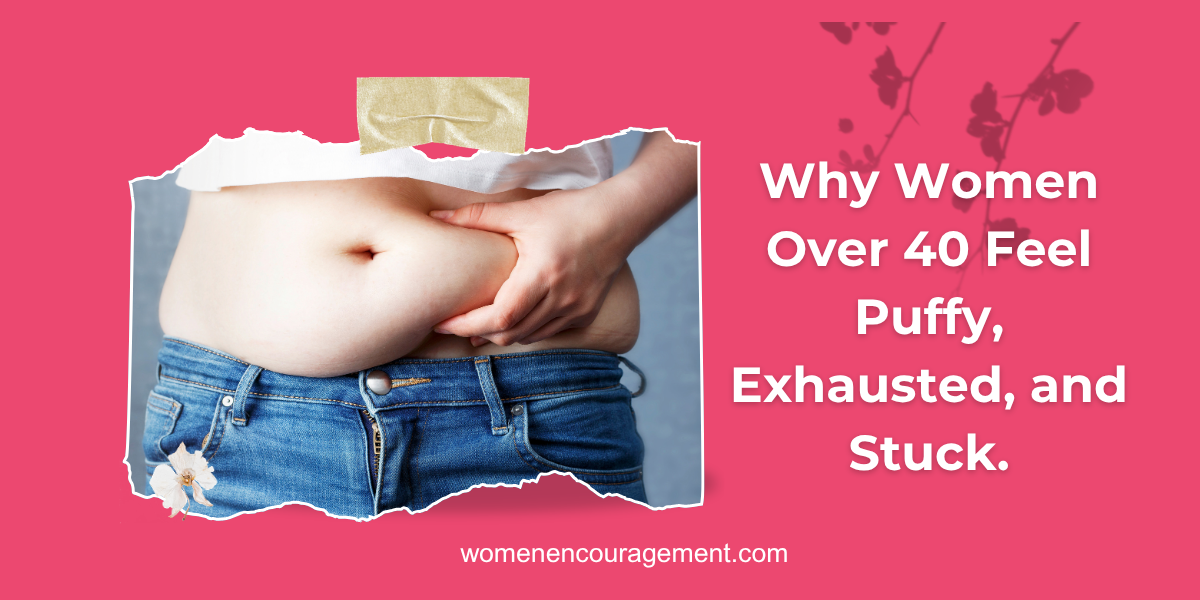
The Truth About Stress, Hormones, Inflammation, and Supporting Your Body Naturally
Puffy? Exhausted? and Stuck? Does that describe you? Have you ever looked in the mirror and thought:
“Why do I feel SO swollen, exhausted, and uncomfortable in my own body lately?”
Not just tired.
Heavy. Puffy. Inflamed. Overwhelmed. It doesn’t look healthy. It shows a deeper of issue of unhealth.
Like your body is waving a tiny white flag while you continue pushing through life on caffeine and survival mode.
If that sounds familiar… you are NOT alone.
Many women over 40 notice:
stubborn belly fat – puffy
bloating – puffy
low energy – exhausted and stuck
brain fog – exhausted
poor sleep – exhausted and stuck
hormone changes
water retention
inflammation
sluggish digestion – puffy
feeling “off” no matter what they try
Most women blame themselves. Haven’t we all had thoughts like, “I must be doing it wrong?” We try to exercise and eat well, but we still are puffy, exhausted, and stuck.
Why Women Over 40 Often Feel “Stuck, and Puffy, and Exhausted.”
After 40, several things start shifting at once:
hormones fluctuate
muscle mass naturally declines
stress often increases
sleep quality changes
metabolism slows
inflammation can rise
digestion may become sluggish
What a negative list, but there is hope!
Add modern life on top of that:
processed foods
chronic stress
emotional overload
poor hydration
sitting too much
constant rushing
…and many women begin feeling physically and emotionally weighed down (i.e. puffy, exhausted, and stuck). Sadly, the body keeps score.
The Liver’s Role in Overall Wellness
The liver is one of the hardest-working organs in the body. It is our strainer. The liver cleanses.
It helps process:
hormones
nutrients
medications
alcohol
waste products
metabolic byproducts
Your liver is already designed to naturally support the body’s detoxification processes. But healthy daily habits can help support the liver and overall wellness.
This is why many wellness experts focus on:
hydration
nutrition
movement
stress reduction
sleep
digestion
reducing processed foods
rather than extreme “detoxes” or crash cleanses.
Signs Your Body May Need More Support
Feeling tired or bloated does NOT automatically mean something is wrong with your liver.
But many women dealing with chronic stress and metabolic overload may notice:
puffiness
sluggishness
fatigue
bloating
digestive discomfort
low motivation
brain fog
water retention
feeling inflamed
stubborn weight gain
These symptoms can be summed up with: puffy, exhausted, and stuck.
These symptoms can have MANY causes, including:
stress
hormone shifts
poor sleep
insulin resistance
inflammation
digestive imbalance
burnout
That’s why supporting the body holistically matters.
What Is the Lymphatic System?
One area many women are suddenly hearing about is the lymphatic system.
The lymphatic system helps support:
fluid balance
immune function
circulation
movement of lymph fluid throughout the body
Unlike the circulatory system, the lymphatic system does not have a pump like the heart.
Movement helps it move.
That’s one reason why habits like:
walking
stretching
hydration
deep breathing
exercise
massage
may help support healthy lymphatic flow.
What Is Lymphatic Massage?
Lymphatic massage is a gentle massage technique designed to encourage movement of lymph fluid throughout the body.
Some people report benefits like:
reduced puffiness
temporary reduction in water retention
relaxation
less heaviness
feeling lighter and refreshed
Many women enjoy lymphatic massage as part of a broader wellness routine focused on:
I also use movement to help my lymphatic system. My son gave me this amazing Vibration plate. It is fun. My thighs actually burn after 10 minutes on it as if I went on a difficult run.
Wellness Habits That May Support the Body Naturally
Most women do NOT need a dramatic cleanse.
Most women need:
consistency
nourishment
hydration
sleep
stress support
movement
gentler wellness habits
Here are a few simple ways many women support overall wellness naturally:
1. Increase Hydration
Hydration supports:
digestion
circulation
energy
bowel regularity
normal detoxification processes
Many women are walking around chronically dehydrated without realizing it.
2. Prioritize Protein and Fiber
Protein and fiber may support:
blood sugar balance
metabolism
digestion
fullness
energy levels
Think:
berries
vegetables
lean proteins
chia seeds
flaxseed
oats
3. Move Your Body Daily
Walking and strength training support:
circulation
metabolism
lymphatic movement
muscle health
stress reduction
Even short walks matter.
4. Support Stress Levels
Chronic stress impacts:
hormones
digestion
inflammation
sleep
cortisol levels
overall wellness
Your nervous system matters more than most people realize.
Wellness Products I Personally Explored
As part of my own wellness journey, I started paying closer attention to products that support digestion, hydration, antioxidants, and overall wellness.
These products are not intended to diagnose, treat, cure, or prevent disease, but many people enjoy incorporating them into healthy lifestyle routines.
JuvaCleanse Vitality is an essential oil blend often used by people interested in supporting healthy lifestyle habits and overall wellness routines. Many people incorporate it into wellness practices focused on digestion, hydration, and daily wellness support.
wellness support
part of hydration routines
mindful wellness habits
overall lifestyle support
You could talk about adding it to water as part of a:
The Cleansing Trio Kit is designed to support individuals who want to focus on healthy habits, mindful eating, hydration, and overall wellness support as part of a balanced lifestyle.
LiverTone is a supplement blend designed to support overall wellness and healthy liver-support habits as part of a healthy lifestyle.
Since the liver plays an important role in processing hormones, nutrients, and metabolic byproducts, many wellness-focused individuals prioritize habits that support healthy liver function naturally.
supporting healthy lifestyle habits
supporting overall wellness
part of a wellness-support routine
Since the liver plays a role in:
hormone processing
metabolism
digestion
processing metabolic byproducts
many women interested in wellness routines gravitate toward liver-support products.
The Bigger Problem Nobody Talks About
Women over 40 are carrying A LOT.
Physically. Mentally. Emotionally.
Most women are:
overstressed
underslept
overworked
emotionally exhausted
trying to care for everyone else first
And eventually the body starts asking for support.
Not punishment. Not another crash diet. Not shame.
Support.
Final Thoughts
If you’ve been feeling:
puffy
exhausted
inflamed
overwhelmed
stuck in your body
please know this: Small daily habits truly do add up over time.
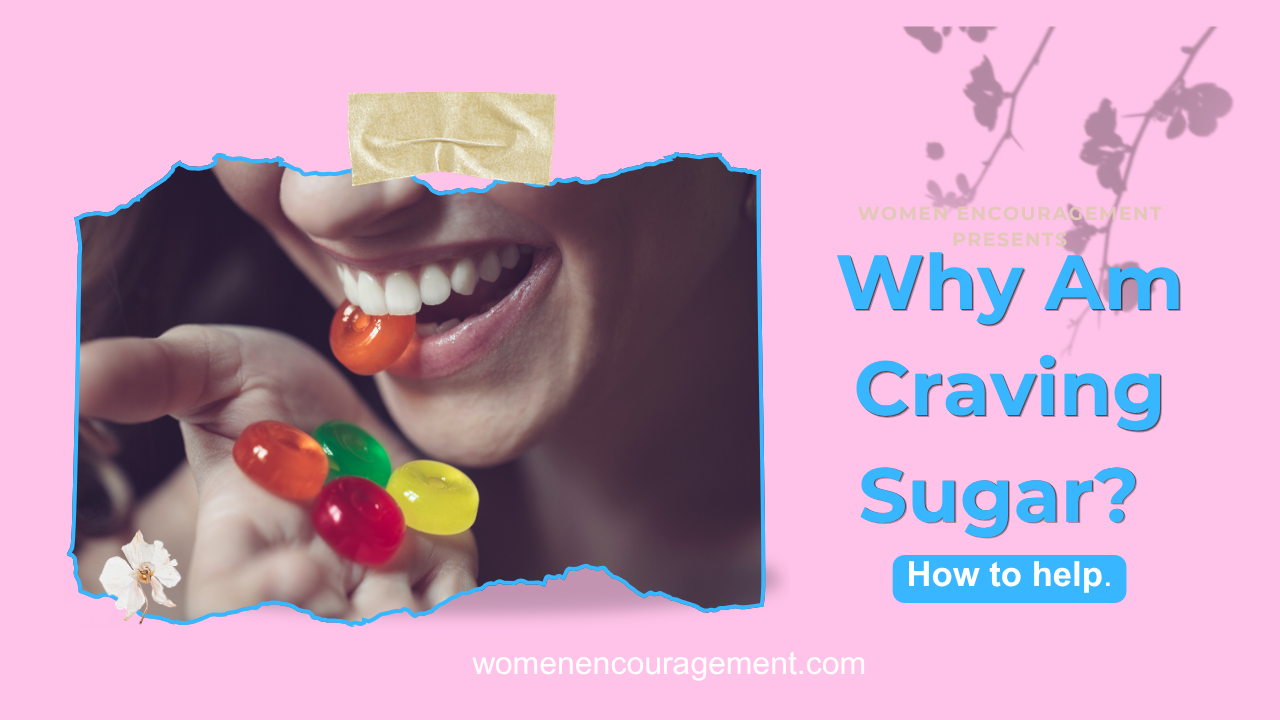
“If I don’t eat something sweet right now, I may not survive.”
You try to resist by drinking water, then you distract yourself. But, open the pantry anyway.
Sound familiar?
The truth of the matter is…
This is not a willpower problem.
It is your body trying to tell you something.
Most women are blaming themselves for something that is actually biological.
What’s really going on?
Let’s keep this simple.
There are usually 4 big reasons you’re craving sugar all day:
1. Blood sugar rollercoaster
If your day looks like:
coffee
quick carbs
skipping meals
Your blood sugar goes:
⬆️ spike ⬇️ crash ⬆️ spike ⬇️ crash
And your body says:
“We need sugar NOW.”
2. You’re under-eating protein
Most moms are running on:
carbs
snacks
whatever is left on their kid’s plate
Protein helps stabilize energy.
Without it?
*cravings increase *energy drops
3. You’re exhausted
Research shows:
Poor sleep can increase hunger hormones and cravings
When your body is tired, it looks for:
*fast energy *aka sugar
4. Stress is running the show
Stress does not just live in your head.
It affects:
blood sugar
hormones
energy
And it often leads to:
*emotional eating *quick cravings *“I just need something” moments, or hours of bingeing. I’ve been there, especially late at night (not my best moments).
What research actually shows
Blood sugar swings are linked to increased hunger and cravings
Sleep deprivation can increase appetite and desire for high-calorie foods
Chronic stress is associated with increased snacking and sugar intake
Translation:
This is your body trying to keep up.
So what actually helps?
Not cutting sugar completely.
Or “being more disciplined.”
And absolutely not starting over every Monday.
You need:
Simple daily support that stabilizes your body
My simple craving support routine
This is what I personally focus on:
1. Protein first
Before coffee if possible.
Even something small helps.
Ideas: Look at Legendary protein products, spoon full of peanut butter, a perfect bar (first thing in the morning).
2. Don’t skip meals
I know. We all do it.
But it almost always backfires later.
PS I have friends getting Factor meals and the like to have meals ready at all times to fix this problem. This answer is currently out of my budget, but just sharing in case it will help you. =)
3. Move your body (just a little)
Even a 10-minute walk helps regulate blood sugar.
These gadgets are helping me do this, even when it rains:
Ningxia Red is what I crave currently. I drink it, and it puts a huge clamp on cravings. This also supports nine systems in the body. I will never be without my Ningxia Red, I pray.
Where it fits: daily energy + consistency
Let me be honest…
A lot of cravings aren’t just about sugar.
They’re about:
low energy
running on fumes
your body looking for a quick boost
That’s where I personally like adding something simple in the morning.
NingXia Red is a daily antioxidant drink made with wolfberry and other plant-based ingredients.
I don’t use it as a “fix.”
I use it as support for:
steady energy
daily nutrition
helping me not feel like I’m crashing by mid-afternoon (I drink it after lunch and sometimes in the morning as well).
And when your energy feels more stable… cravings tend to feel less intense. Winner!!
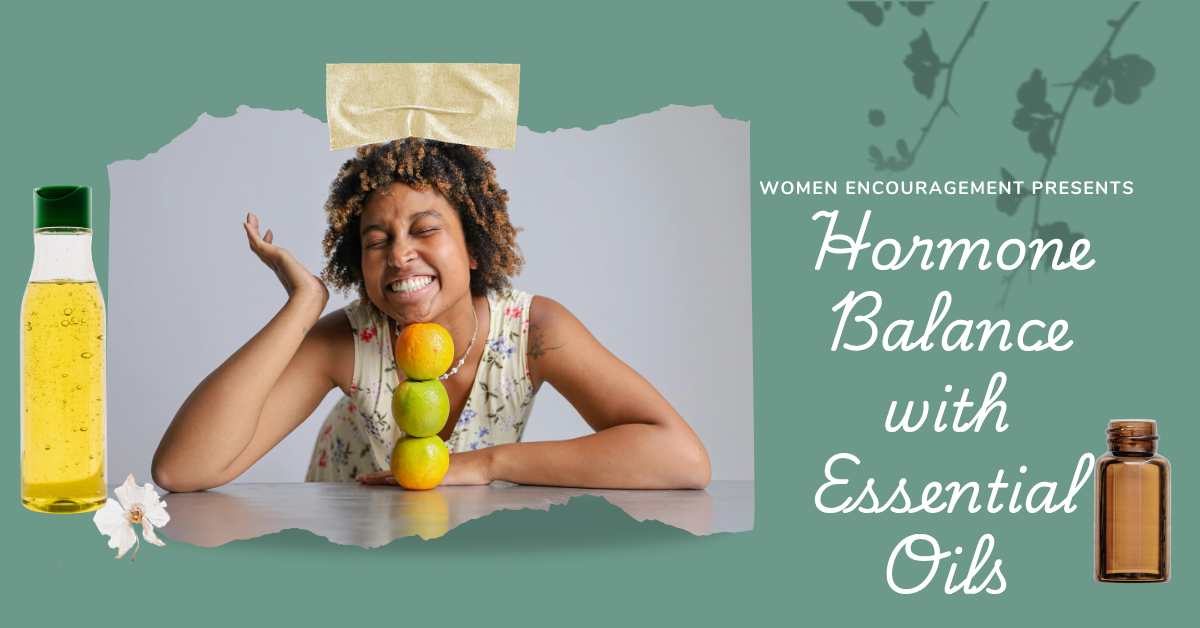
Hormones can affect nearly every part of how a woman feels. When hormones feel out of sync, the effects can show up in mood, sleep, energy, cravings, stress, weight changes, and overall well-being. For many women, the goal is not a harsh “fix” or a complicated system. It is a gentler path—one that supports hormones in a simple, realistic, and sustainable way.
But first, let’s bond. I’ve been through some stuff myself. I think you should hear me out, so you know I’m not some faker, goody two shoes, spouting off misinformation.
My Hormone Story
For me, after having a partial hysterectomy, then experiencing an abscess, which caused me to lose my other ovary; I know too well about hormones and menopause. (I nearly died).
My hormone journey probably began at 12 years old when Aunt Flow would loose a tidal wave monthly which doubling pads and tampons could not hold. Can we say abnormal?
Once married, I suffered from infertility for about three years. Those thirty six months were some of the most lonely, depressing years of my life. If you identify with this, my heart goes out to you completely. I want you to know there is always hope, no matter what any medical professionals say. (If you are feeling hopeless, please reach out, around ten women that I know of on my team have had decades of infertility, and yet today, they have delivered healthy, happy babies).
Then, into my forties, my periods got so heavy, I couldn’t grocery shop without hemmoraghing. Thus, I had an ablation. But, then I had a 12 pound bleeding polyp wrapped around my uterus. That’s when I was told I had no other option than to have a hysterectomy as quickly as possible.
I share all of this so you know, I understand. And if this is oversharing, charge me – I am guilty, but we need to share this stuff because I think it’s important.
About two years after the hysterectomy I blew up. Voila! I was suddenly sixty pounds heavier. Night sweats plagued me. Mood swings were scary. And, I’d walk into a room and wonder, “What am I doing here?” Not to forget the terminal fatigue. I couldn’t sleep, yet I didn’t want to get out of bed.
No. One. Prepared. Me. For. Any. Of. This.
Hormonal Hope
In my team, we believe hormone support can look calm, clean, and practical. A supportive routine may include essential oils, wellness supplements, nourishing habits, and small daily rituals that help women feel more grounded in the middle of real life.
If you have been looking for a more natural way to support hormones, this guide will walk you through a few favorite Young Living products and simple lifestyle habits that may fit beautifully into your everyday routine.
Why hormones can feel “off” in the first place
Hormones are deeply connected to how the body communicates internally. When hormones shift, a woman may notice changes that seem sudden, even if they have been building quietly over time.
A few common reasons hormones may feel out of balance include:
Stress overload: Long-term stress can make hormone symptoms feel more intense.
Perimenopause and menopause: Midlife changes can affect hormones in ways that impact mood, sleep, body composition, and energy.
Poor sleep: Hormones and sleep are closely linked. When sleep suffers, many women notice that everything feels harder.
Blood sugar swings: Inconsistent meals, cravings, or energy crashes can affect how stable hormones feel day to day.
Life transitions: Emotional strain, physical changes, and a full schedule can all add to the feeling that hormones are no longer cooperating.
Keep reading for plant based solutions that support our bodies during these tumultuous times. Encouragement is a little further down the screen.
When hormones feel frustrating, many women do not need more intensity. They need more support.
Can essential oils support hormones?
Essential oils do not replace medical care, and they do not “cure” hormone problems. But many women enjoy using essential oils as one part of a supportive hormone routine—especially when the focus is on stress relief, calm, better rest, emotional balance, and creating a more nurturing rhythm at home.
For many women, hormones feel easier to support when daily life also becomes more supportive. That is one reason oils can be so meaningful. They invite consistency, ritual, and small moments of care.
When used thoughtfully, essential oils may become one gentle tool in a broader wellness routine centered on hormones.
Best Young Living products for hormones and daily support
If you are creating a simple hormone-support routine, here are a few Young Living favorites that many women enjoy.
1) Clary Sage for hormones, calm, and emotional support
Clary Sage is one of the most loved essential oils for women’s wellness. Many women reach for Clary Sage when they want a grounding, calming aroma that supports emotional balance and a more peaceful daily rhythm.
Clary Sage is often used in routines focused on hormones because it feels nurturing, earthy, and steady. It can be diffused in the evening, inhaled during stressful moments, or used topically when properly diluted.
For women wanting a simple starting point with hormones, Clary Sage is often one of the first oils to consider. I rubbed this on the bottoms of my feet each morning years ago when I was cycling.
Progessence Plus is a Young Living blend often included in women’s wellness routines centered on hormones. Many women like using Progessence Plus as part of a consistent self-care rhythm, especially during times when hormones feel more unpredictable.
Rather than thinking of it as a quick fix, Progessence Plus often fits best into a daily lifestyle of steady support, calm rituals, and realistic expectations.
I rub this on my forearms morning and night. It is part of my self care routine.
Daily Hormone Essential is often chosen by women who want to support hormones from a nutritional angle as well. While essential oils can be a wonderful part of a lifestyle routine, Daily Hormone Essential may help round out a more complete approach to hormones through daily nutritional support.
For women who want a simple and structured product for hormones, this can be a helpful foundational step.
EndoFlex is another favorite in conversations about hormones and endocrine wellness. Many women like to include EndoFlex in their routines when they want support that feels more comprehensive and connected to energy, daily balance, and stress support.
I like to rub this on my throat in the morning. It just feels like the right thing to do for me.
5) Lavender for hormones, stress, and sleep support
Hormones and stress often go hand in hand. Hormones and sleep often do too. Lavender can be a beautiful addition to a hormone routine because it encourages a calmer atmosphere, especially in the evening.
Many women find that when stress settles, hormones feel more manageable too.
And almost every night I rub this oil on the pads of my toes. Typically, within ten seconds, I’m sound asleep. This also gives me such soft feet, with no stinky smells.
PS Young Living has shampoo, conditioner, shower gel, lotion, hand soap and more in lavender!! I love my hair and body smelling the same!! When I shower at night, I sleep so much more soundly because of using all things… Lavender!
6) Balance & Burn for metabolic wellness and insulin signaling support
For many women, hormones are only part of the story. Metabolic wellness matters too. Balance & Burn may fit into a daily routine for women who are thinking not only about hormones, but also about cravings, energy, metabolism, and supportive habits around insulin signaling.
Balance & Burn works best as part of a bigger picture: balanced meals, movement, protein, healthy routines, and a long-term approach to hormones and wellness.
This has helped so many people not only lose weight, but their blood sugar numbers are out of the park better!
The insulin-signaling connection: why hormones and metabolism often overlap
When women think about hormones, they often think first about estrogen or progesterone. But insulin is also a hormone, and insulin signaling can be an important part of how women feel overall.
When insulin signaling feels less efficient, some women notice:
more cravings
less stable energy
stubborn belly weight
stronger afternoon crashes
a greater sense that hormones feel “off”
This is one reason hormones often need a whole-body support plan. Hormones are not just about one oil or one supplement. Hormones are also influenced by meals, movement, sleep, stress, and muscle support.
For many women, supporting hormones means supporting rhythm. That includes steadier meals, better rest, regular movement, and gentle tools like oils and wellness supplements that fit into daily life.
Quick comparison table: choosing the right hormone-support approach
Method
Best for
Pros
Watch-outs
Diffusion / inhalation
Stress, mood shifts, evening calm
Easy, fast, comforting
Keep aroma gentle, not overpowering
Topical use (diluted)
Daily rituals, lower abdomen or back support
Encourages consistency and self-care
Always dilute and patch test first
Nutritional support
Daily foundational support for hormones
Simple and structured
Follow product directions carefully
Lifestyle habits
Long-term hormone support
Supports the whole body
Requires consistency over time
Did you know? A few helpful facts about hormones
Hormones and stress are deeply connected. Sometimes the body needs more calm, not more pressure.
Hormones and sleep affect each other. When sleep improves, women often notice better resilience, steadier mood, and fewer intense swings.
Hormones and blood sugar often overlap. More stable meals may support steadier energy and fewer cravings.
Hormones respond well to consistency. Small supportive habits practiced daily often do more than occasional all-or-nothing efforts.
Step-by-step: a simple daily routine to support hormones
Step 1: Start with aroma
Diffuse Clary Sage in the morning or evening for a calming atmosphere that supports your hormone routine. You can also pair it with Lavender for a softer, more relaxing blend.
Step 2: Add a topical routine
Use Progessence Plus as part of a consistent self-care practice. Many women appreciate the steadiness of having a small daily ritual centered on hormones.
Step 3: Support hormones from within
Take Daily Hormone Essential as directed if you want a more complete inside-out wellness routine for hormones.
Step 4: Think beyond hormones alone
If cravings, energy swings, or metabolic frustration are part of your story too, Balance & Burn may be worth considering as part of a broader hormone and wellness lifestyle.
Step 5: Support the basics that help hormones most
Pair your products with the habits that often matter most:
regular meals with protein and fiber
daily movement
healthy sleep habits
hydration
stress support
realistic routines you can actually maintain
Safety reminders for hormones and essential oils
Essential oils are concentrated and should always be used thoughtfully.
Dilute oils before applying to skin unless otherwise directed.
Avoid eyes and mucous membranes.
Patch test new products first.
If you are pregnant, nursing, under medical care, or managing a hormone-sensitive condition, seek personalized guidance before starting something new.
Nutritional support products should be used according to label directions.
Lifestyle tips that make a hormone routine work better
Hormones usually respond best when the daily basics are in place. If you want the biggest return on your effort, start here:
Prioritize protein. Protein can help support steadier energy and more balanced meals.
Walk daily. Movement can be one of the simplest and most supportive tools for hormones and metabolic wellness.
Strengthen gently. Muscle support matters, especially in midlife.
Create an evening wind-down routine. Diffuser, quiet time, less screen exposure, and a consistent bedtime may all support hormones indirectly.
Track your patterns. A simple journal of sleep, energy, cravings, and mood can reveal what your hormones may be responding to.
A calmer home approach to hormones
Many women are trying to support hormones in the middle of full lives—family needs, work, stress, transitions, and changing bodies. That is why simple home routines matter.
using Balance & Burn as part of a more complete wellness plan
choosing small daily habits over extreme programs
Hormones often respond best to gentleness, consistency, and support.
Ready to support your hormones in a simpler way?
If you are ready for a gentler way to support hormones, start with a few simple tools and a lifestyle that feels calm enough to keep going. You do not need to do everything at once. You just need a next step that feels sustainable.
Download my free Gentle Hormone Guide
If you would like a simple next step, download my free Gentle Hormone Guide for supportive ideas, favorite products, and easy ways to begin creating a calmer routine for hormones.
FAQ: hormones, essential oils, and daily support
What essential oil is best for hormones?
Many women love Clary Sage as one of the most popular oils used in routines centered on hormones.
What is Progessence Plus used for?
Progessence Plus is often included in daily women’s wellness routines focused on hormones and supportive self-care habits.
How can I support hormones naturally?
Many women choose a combination of essential oils, nutritional support, better sleep, stress support, regular movement, and balanced meals to support hormones more naturally.
Why does insulin signaling matter for hormones?
Insulin is also a hormone, and many women find that energy, cravings, weight changes, and overall hormone wellness feel connected to metabolic health.
What is a simple daily routine for hormones?
A simple routine for hormones might include Clary Sage in a diffuser, Progessence Plus topically, Daily Hormone Essential daily, supportive meals, and a calmer bedtime rhythm.
Glossary
Hormones: Chemical messengers in the body that influence mood, sleep, metabolism, energy, and more.
Insulin signaling: The way the body uses insulin to help manage energy and blood sugar.
Endocrine system: The network of glands and hormones that influence many body functions.
Diffusion: Using a diffuser to disperse essential oils into the air.
Topical use: Applying diluted essential oils to the skin.
Consistency: Repeating simple supportive habits over time.
Hormones Conclusion
If you enjoyed this article, check out my other Hormone Post, HERE.
If you have any questions, or concerns, please reach out. It is my pleasure to help others on their Hormone Balancing Journey.
Talk Soon,
Jenn
Manage Consent
To provide the best experiences, we use technologies like cookies to store and/or access device information. Consenting to these technologies will allow us to process data such as browsing behavior or unique IDs on this site. Not consenting or withdrawing consent, may adversely affect certain features and functions.
Functional
Always active
The technical storage or access is strictly necessary for the legitimate purpose of enabling the use of a specific service explicitly requested by the subscriber or user, or for the sole purpose of carrying out the transmission of a communication over an electronic communications network.
Preferences
The technical storage or access is necessary for the legitimate purpose of storing preferences that are not requested by the subscriber or user.
Statistics
The technical storage or access that is used exclusively for statistical purposes.The technical storage or access that is used exclusively for anonymous statistical purposes. Without a subpoena, voluntary compliance on the part of your Internet Service Provider, or additional records from a third party, information stored or retrieved for this purpose alone cannot usually be used to identify you.
Marketing
The technical storage or access is required to create user profiles to send advertising, or to track the user on a website or across several websites for similar marketing purposes.