Simple Comfort Measures for Little Tummies
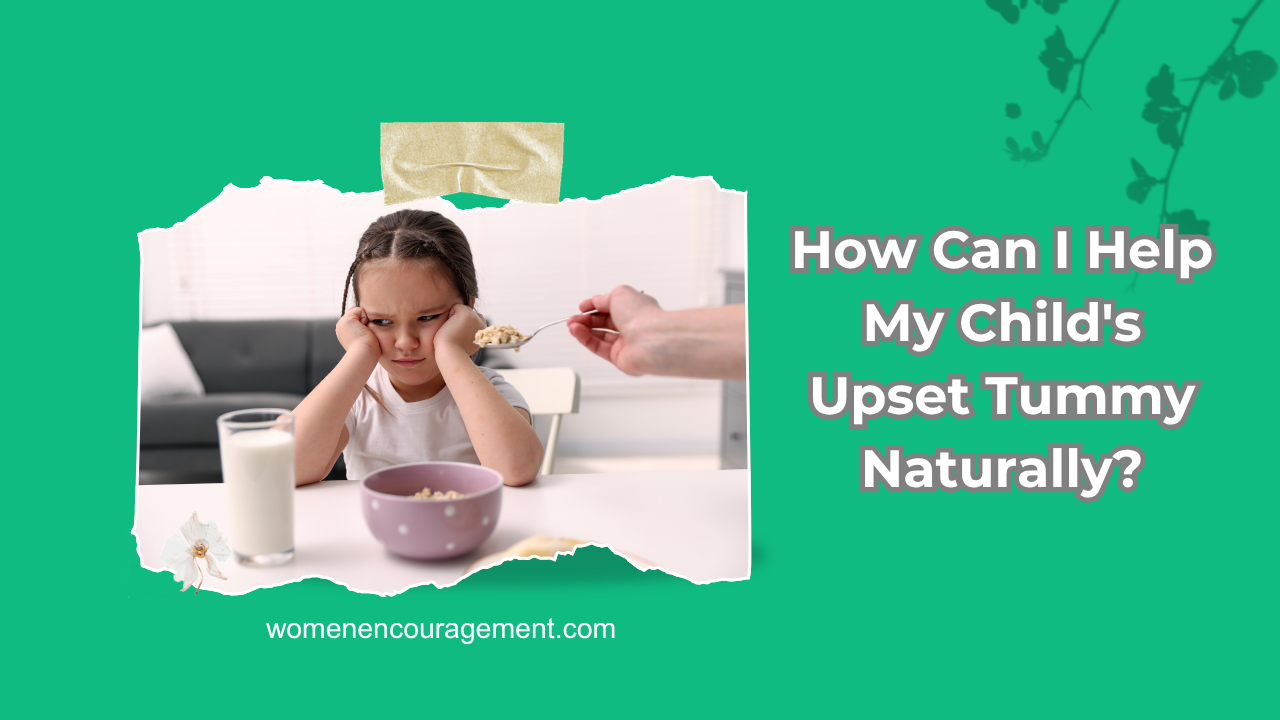
“Mommmmm. My tummy hurts.”
Four words that can mean approximately 847 different things.
Are they hungry? Constipated? Getting a stomach bug? Did they eat seventeen handfuls of cheese crackers? Are they nervous about school tomorrow?
WHO KNOWS.
As a mom, I’ve spent plenty of time trying to decode the mysterious childhood tummy ache. And while significant, severe, or persistent stomach pain deserves a call to your child’s healthcare provider, there are some simple things we can do at home to comfort an occasional upset tummy.
Here are some of my favorite natural ways to support little tummies—and a peek inside my Mom Tummy Toolkit at the end.

My Story
My son has been type 1 diabetic since he was four. He has had so many puking situations with high blood sugar. Sadly, he gets nauseous in the car too.
We found peppermint oil since he was little helps so much! We dripped some in our car vents while the AC ran. The smell seemed to help everyone’s tummies feel better.
My oldest daughter had chronic tummy aches after she ate. She needed to lay down after meals. We never received answers as to why this was happening. As she’s gotten older, she seems to have outgrown this.
Tummy aches are no foreign subject. I’m grateful for the natural remedies we have. Rubbing my own tummy with essential oils is such a comfort. Read along for more hopeful info!
1. Start With Hydration
This is always one of my first questions:
“Have you had anything to drink?”
If your child has been vomiting or has diarrhea, hydration becomes especially important.
Small, frequent sips may be easier on an upset stomach than gulping a giant cup of water all at once.
Depending on your child’s age and situation, you might offer:
- Water
- Ice chips
- Ice pops
- An age-appropriate oral rehydration drink recommended by their healthcare provider
And don’t be afraid to start small. Sometimes a couple of sips every few minutes is much easier to handle or fluids sipped through a teaspoon.
2. Don’t Force Them to Eat
I grew up in the era of: “You aren’t leaving this table until you finish your dinner.” Thankfully, we’ve learned a few things since then. 😂
If your child doesn’t feel like eating, don’t turn dinner into a hostage negotiation. When their appetite starts coming back, offer foods they normally tolerate and keep things simple. Skip the super-rich, greasy, or spicy foods for a bit. And let their belly tell you when it’s ready for more.
3. Bring on the Warmth
There is something wonderfully comforting about warmth on an achy tummy.
Try a warm—not hot—compress or an age-appropriate heating pad used carefully with adult supervision.
Then add:
Favorite blanket.
Stuffed animal.
Movie.
Mom cuddles.
Boom.
You’ve basically created the childhood version of a luxury spa. 😂
4. Try a Little Gentle Movement
If your child isn’t actively vomiting and feels well enough to move, sometimes a little gentle movement feels good.
You could try:
- Walking around the house
- Gentle stretching
- Bringing the knees toward the chest
- Quiet play
- A little tummy massage, if your child enjoys it
Nothing strenuous. We’re not training for the Olympics here; just trying to get that little body moving comfortably (often helps move gas around)…
5. Ask the Poop Question
Yes. We’re going there. Because we’re moms, and apparently discussing poop is part of the job description.
If your child keeps complaining about their tummy, think about when they last had a bowel movement. Constipation can cause abdominal discomfort in children, and sometimes kids don’t even realize that’s what’s happening.
Water, movement, and age-appropriate fiber-rich foods can help support normal bowel habits. If constipation is frequent, painful, severe, or isn’t improving, talk with your child’s healthcare provider rather than continually trying home remedies.
A great alternative to Mira Lax is our Daily Prebiotic Fiber. Most of my four kids like the taste. It keeps things moving along.
6. Remember That Worry Can Hurt a Tummy Too
This one is easy to miss. Kids can feel stress in their bodies just like adults do.
School.
Friend problems.
Sensory overload.
Changes in routine.
A test tomorrow.
Something scary they saw.
Sometimes the stomachache is real—but the trigger isn’t actually the stomach.
Try asking:
“Is anything worrying you today?”
Then listen.
Sometimes ten minutes curled up next to Mom talking about what’s going on is exactly what they needed. Poof! Tummy ache cured.

7. Create a Calm Environment
When somebody’s tummy is unhappy, I don’t want chaos.
Lower the lights.
Turn down the noise.
Grab the blankets.
Put on a favorite movie.
Diffuse something gentle and comforting like Peace and Calming Blend. Young Living is part of our family’s natural-living routine, so essential oils are one of the tools I like having available.
But more isn’t better.
Especially with kids.
Tummygize is a favorite for topical application.
8. Be Careful With “Natural”
I LOVE natural options.
Obviously.
But here’s my Mom PSA:
Natural doesn’t automatically mean appropriate for every child.
Essential oils, herbal teas, supplements, and other natural products can still have age restrictions, medication interactions, dilution requirements, or other precautions.
Read labels.
Follow age recommendations.
And when you’re unsure, ask your pediatrician or pharmacist.
Especially with little ones.

What’s In My Mom Tummy Toolkit?
Okay, here’s the part I promised you.
When somebody in my house announces that their stomach is staging a rebellion, I like having a few simple things available so I’m not searching the internet at 2:00 AM while somebody is holding a bucket.
Been there.
Don’t recommend it. 😂
1. A Good Electrolyte Option
Hydration is always high on my list, particularly when someone has been vomiting or experiencing diarrhea.
I keep an age-appropriate electrolyte option around so I don’t have to run to the store when somebody gets sick.
2. A Heating Pad or Warm Compress
Not glamorous.
Not expensive.
But sometimes incredibly comforting.
This earns a permanent spot in my Mom Toolkit.
3. Young Living Tummygize Essential Oil Blend
Tummygize is one of the Young Living products I like having in my natural-living cabinet.
It’s a blend containing oils including Tarragon, Ginger, Peppermint, Juniper, Fennel, Lemongrass, Anise, and Patchouli – especially formulated for children.
I love the convenience of having thoughtfully combined essential oils in one bottle instead of trying to become an amateur essential-oil chemist in my kitchen.
For children, however, I would never automatically use an adult essential-oil routine.
4. Ginger
Ginger has been used traditionally for digestive comfort for a very long time, which is one reason you’ll often see it mentioned when talking about queasy stomachs.
It’s also one of the essential oils found in Tummygize.
Depending on your child’s age, health history, and what their healthcare provider recommends, there are different ways families may incorporate ginger.
Again: little bodies aren’t miniature adult bodies.
Age matters.
5. My Mom Radar
This might be the most important thing in the entire kit.
You know your child.
There’s a difference between:
“My tummy feels funny.”
and
“Something is really wrong.”
Don’t let your desire to handle something naturally keep you from getting medical care when your child needs it.
Natural living and modern medicine don’t have to be enemies.
I use both.

When Is a Child’s Stomachache More Than an Upset Tummy?
Most parents develop a pretty good radar for when something isn’t right.
Contact your child’s healthcare provider or seek prompt medical attention if you’re concerned about things such as:
- Severe or worsening abdominal pain
- Persistent vomiting
- Blood in vomit or stool
- Signs of significant dehydration
- A swollen, hard, or very tender abdomen
- Unusual weakness or difficulty waking
- Difficulty breathing
- High or concerning fever
- Pain that continues or repeatedly returns
- Or simply a child who seems much sicker than usual
And if your gut is telling you something isn’t right?

Make the call.
I’d rather ask the question and find out everything is okay than ignore that Mom Alarm going off in my head.
You Don’t Need to Do Everything Perfectly
When our kids hurt, we want to FIX IT.
Right. Now.
But sometimes caring for an upset tummy is pretty simple:
Small sips.
Rest.
Warmth.
Gentle food when they’re ready.
A calm environment.
A few carefully chosen natural-living tools.
And a whole lot of Mom.
You don’t need 47 supplements and a Ph.D. in holistic health.
Start simple.
Pay attention to your child.
And keep a few trusted tools around for those inevitable:
“MOMMMMM! MY TUMMY HURTS!”
moments.
Want to See What’s in My Natural Mom Toolkit?
I’ve spent years finding simple products and routines that fit into real family life—not Pinterest-perfect family life.
If you’d like to see the Young Living products I personally keep around for my family’s natural-living routine, I’ve put my favorites together in one place.
No pressure. No miracle promises.
Just the things this mom likes having in her cabinet before somebody decides to get sick at 1:37 AM.
Because apparently children have business hours. And those business hours are never 9–5. 😂
This article is for educational purposes only and is not medical advice. Essential oils and other natural products are not intended to diagnose, treat, cure, or prevent disease. Always follow current product directions and age guidance and consult your child’s healthcare professional when appropriate.
For more fun products, look at our Merch Page HERE.

