Tag: symptoms

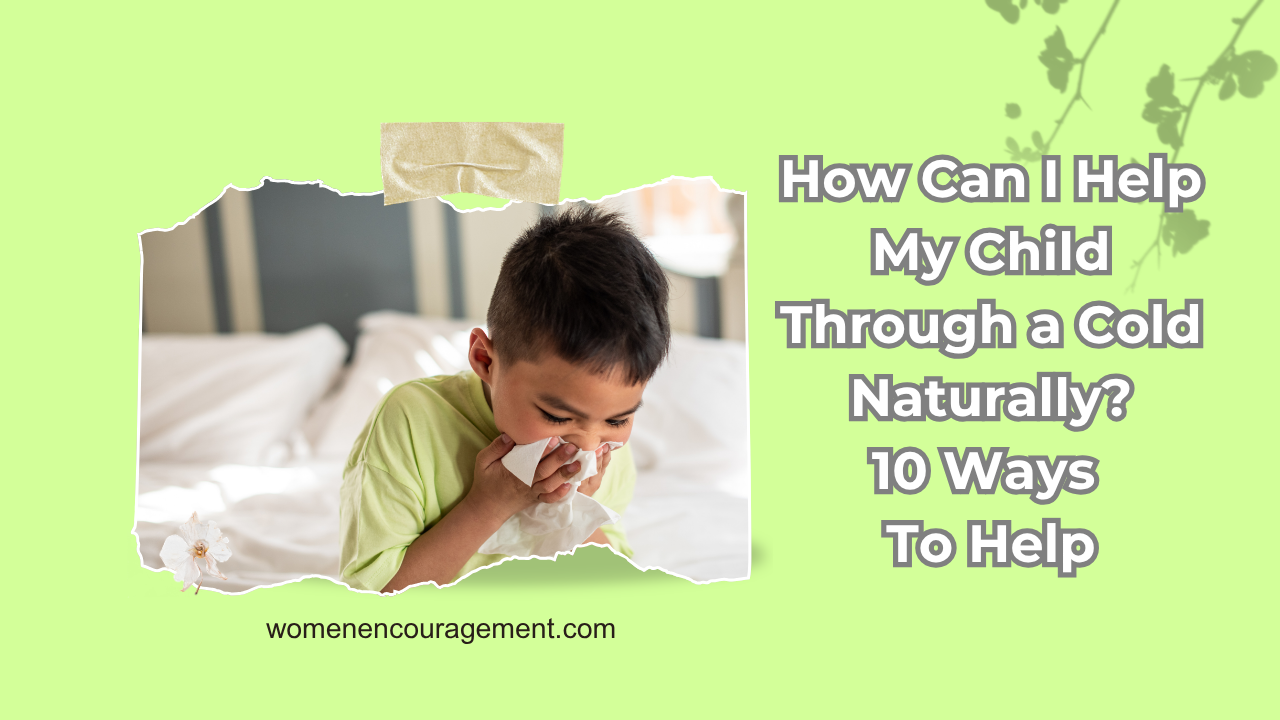
  • How Can I Help My Child Through a Cold Naturally?

    How Can I Help My Child Through a Cold Naturally?

    10 Simple Ways to Help Your Child Feel Better

    Cold naturally

    Helping A Child Through a Cold Naturally

    Helping a kid through a cold. Is there anything more pitiful than a sick kid?

    The red little nose. The cough that gets worse the minute their head hits the pillow. The child who suddenly needs Mom approximately every 47 seconds.

    And then comes the question most of us have Googled at some point:

    How can I help my child’s cold naturally?

    The frustrating answer is that we can’t magically make a common cold disappear. Colds are usually caused by viruses and generally have to run their course.

    But that doesn’t mean we can’t do anything.

    There are several simple things we can do at home to keep our children comfortable, hydrated and resting while their little bodies recover.

    Here are 10 of my favorites.

    Quick Answer: How Can I Help My Child Through a Cold Naturally?

    For a typical uncomplicated cold, focus on rest, plenty of fluids, saline for congestion, a clean cool-mist humidifier, warm liquids and lots of comfort. For children over age 1, honey may also help soothe a cough.

    And sometimes the best medicine really is pajamas, a favorite movie and Mom sitting nearby.

    Cold Naturally

    1. Keep the Fluids Coming to help a cold naturally

    Hydration is one of the simplest—and most important—things you can focus on.

    Offer water regularly. Depending on your child’s age and needs, breast milk, formula, broth or other appropriate fluids can also help.

    Good hydration can help keep mucus thinner and easier to clear.

    If your child doesn’t want to drink much at once, don’t panic. Try offering smaller amounts more frequently.

    2. Let Them REST to heal a cold naturally

    We live in a culture that wants everyone back to normal immediately.

    Sometimes a sick little body needs exactly the opposite.

    Cancel what you can.

    Put on the pajamas.

    Grab the blankets.

    Read books.

    Watch movies.

    Nap.

    Their body is doing a lot of work. Give it permission to slow down.

    3. Try Saline for That Stuffy Nose to Help a Cold Naturally

    Plain saline nose drops or spray can help loosen thick or dried mucus.

    For babies and younger children, a nasal aspirator or bulb syringe can then help gently remove the loosened mucus.

    This can be especially helpful before feeding and bedtime.

    4. Use a Clean Cool-Mist Humidifier to Support Colds Naturally

    Dry winter air can make a stuffy nose and dry cough feel even worse.

    A cool-mist humidifier adds moisture to the air and may make congestion more comfortable.

    Just remember one important word:

    CLEAN.

    Humidifiers need regular cleaning according to the manufacturer’s instructions so they don’t become little mold-and-bacteria factories.

    Because nobody needs to add THAT to cold week.

    5. Try Honey for a Cough—But Only After Age 1

    For children 1 year and older, a small amount of honey can soothe the throat and may reduce nighttime coughing.

    You can offer it by spoon or mix it into an age-appropriate warm drink. I love adding a drop of lemon essential oil. It’s a powerful combo.

    Never give honey to a baby younger than 12 months because of the risk of infant botulism.

    6. Offer Warm, Comforting Liquids

    There’s a reason Grandma kept making chicken soup.

    Warm broth, soup and other age-appropriate warm liquids can be soothing when a child’s throat feels scratchy and they’re congested.

    And sometimes getting anything into a child who doesn’t feel well deserves its own parenting trophy.

    7. Help Them Breathe More Comfortably

    If your child’s nose is clogged, try saline and gentle nose blowing or suction. My youngest daughter loves Breathe Again roller ball.

    Moist air can also be comforting. Sitting together in the bathroom while a warm shower runs can increase the humidity in the room.

    With babies and young children, always supervise closely around hot water.

    8. Don’t Force Food

    Appetite often drops when kids aren’t feeling well. Tummygize may help, it’s worth a try.

    Hydration is especially important during illness, so don’t turn dinner into World War III because your child doesn’t want broccoli tonight.

    Offer simple, nourishing foods they tolerate and let appetite gradually return as they feel better.

    9. Give Them Extra Comfort for a Cold Naturally

    This one won’t show up on a prescription bottle.

    Cuddle them.

    Read another story.

    Rub their back.

    Let them sleep.

    Sit beside them.

    Being sick can feel scary to little kids. Your calm presence matters.

    And yes—sometimes that means you watch the same cartoon 14 times.

    This is motherhood. We persevere.

    PS I love to diffuse Thieves to help me stay healthy.

    10. Know When It’s More Than “Just a Cold”

    Most uncomplicated colds improve on their own, but parents should pay attention when something doesn’t seem right.

    Contact your child’s healthcare provider if you’re concerned, especially with persistent or worsening symptoms.

    Seek prompt medical care for symptoms such as:

    • Difficulty breathing
    • Bluish lips or face
    • Signs of dehydration
    • Unusual sleepiness or difficulty waking
    • Severe or rapidly worsening symptoms
    • A fever in a baby younger than 3 months
    • Fever that persists or returns after improving
    • Significant ear pain
    • Symptoms that improve and then become substantially worse

    Trust your parenting instincts. If your child seems significantly sicker than you’d expect from an ordinary cold, get medical advice.

    What I Keep Around During Cold Season

    Along with the basics above, there are a couple of Young Living products I personally like having in our home during cold season.

    These aren’t cures for a cold, and I don’t use them as replacements for appropriate medical care.

    They’re simply part of the wellness routine I choose for my family.

    Immugummies™

    Immugummies are one of my favorites because they’re an easy way to add immune-supporting nutrients to our normal wellness routine. I love the taste of these. I keep them in the fridge for freshness.

    Young Living formulates them with ingredients intended to support normal immune function.

    I think of this as supporting the body, not treating a cold.

    KidScents® SniffleEase™

    This is another one I like having available during sniffle season.

    SniffleEase is an aromatic essential-oil blend formulated specifically for children. I love the fresh, comforting aroma when we’re dealing with one of those stuffy-nose days.

    Young Living’s current directions recommend SniffleEase for children ages 2–12, with application by or under the supervision of a trusted adult.

    Always follow the current product label and age directions.

    What About Children’s Cold Medicine?

    Be particularly careful with over-the-counter cough and cold products in young children.

    The American Academy of Pediatrics recommends avoiding OTC cough and cold medicines in children under 4. For children ages 4–6, they should be used only when recommended by the child’s doctor.

    And antibiotics don’t treat an ordinary viral cold.

    If you’re unsure what medication is appropriate for your child’s age, weight or symptoms, call your pediatrician or pharmacist rather than guessing.

    The Mom Reminder

    When our children are sick, we want to FIX IT.

    I get it.

    But sometimes supporting a sick child isn’t about finding one magical remedy.

    It’s about creating the conditions their little body needs while it heals:

    Rest.
    Fluids.
    Comfort.
    Sleep.
    Nutrition.
    A clear little nose.
    And lots and lots of love.

    You’re not doing “nothing.” You’re caring for them. And that’s a pretty big something.

    Cold Naturally

    Frequently Asked Questions

    How long does a cold last in children?

    Cold symptoms commonly last about a week, although some symptoms—especially nasal discharge or cough—can linger longer. If symptoms are unusually prolonged, worsening or concerning, contact your child’s healthcare provider.

    What naturally helps a child’s stuffy nose?

    Saline nose drops or spray, gentle nose blowing or suction for younger children, adequate fluids and a clean cool-mist humidifier can help make nasal congestion more comfortable.

    What can I give my child naturally for a cough?

    For children over 1 year, honey may help soothe coughing, particularly at night. Never give honey to an infant younger than 12 months.

    Does my child need antibiotics for a cold?

    Usually not. The common cold is caused by viruses, and antibiotics treat bacterial infections—not viruses. A doctor may prescribe antibiotics if your child develops a bacterial infection such as certain ear or sinus infections.

    Should I send my child to school with a cold?

    Consider fever, how your child feels and your school’s illness policy. A child who is fever-free and feels well enough to participate normally may be able to return, but follow your healthcare provider’s and school’s guidance.

    Want My Cold-Season Checklist?

    Nothing is worse than realizing at 10:30 p.m. that you’re out of saline, honey or tissues when somebody wakes up coughing.

    That’s why I created my Mom’s Cold-Season Survival Checklist—a simple list of things I like having in the house before somebody gets sick.

    [GET THE FREE COLD-SEASON SURVIVAL CHECKLIST]

    And if you’d like to know more about the wellness products our family uses during cold season, I’d be happy to share those with you, too.

    [LEARN ABOUT MY FAVORITE COLD-SEASON WELLNESS PRODUCTS]

    This article is for general educational purposes and isn’t a substitute for medical advice, diagnosis or treatment. Always consult your child’s healthcare professional about symptoms, medications, supplements and essential-oil use. Follow individual product labels and age recommendations.

    For more on this subject, read the post, 3 Tips to Tame Allergies, Naturally.
  • Could It Be… Parasites?

    Could It Be… Parasites?

    Parasites?

    Parasites are a real thing

    Years ago, I traveled to Haiti for a wedding with mission’s work.

    At first, everything seemed normal. The chicken at the wedding looked amazing. Chicken. Beans. Rice. What could go wrong?

    Then the bubble guts hit. I needed to use the bathroom asap, but there were no toilets. So the cane field it was, ew. Unfortunately, it didn’t “stop” there.

    Let’s just say the flight home was as close to hell as I pray I will ever be. The bathrooms on the airplane from Haiti to Miami were not working. Let’s just say, I clinched my booty at an unknown to me level – ha! It was awful.

    What followed was one of the hardest health seasons I’ve ever experienced.

    For weeks:

    • I struggled with diarrhea after eating.
    • My digestion felt completely off: tons of cramping and running for the restroom.
    • I had zero energy.
    • Weight was literally falling off of me.

    Eventually, I lost 22 pounds before I finally got help.

    Twenty Two whole pounds. My weight was less than 100 pounds. I looked… sick! People accused me of having an eating disorder. Eventually, I contacted my doctor.

    At the time, I honestly didn’t know much about gut health, digestive infections, parasites, or how severely travel-related illness can impact the body. I thought I might have a stomach flu.

    The doctor sent my poo for tests and they took my blood. Sure enough. Parasites. I was put on antibiotics and stomach tranquilizers. I often wonder if they could still be there?

    That experience changed the way I think about health forever. I am forever thankful for American medicine. Very quickly, I regained strength and the ability to eat without needing to use the latrine so violently after.

    Check Yourself

    Now before we go full internet conspiracy mode here…

    Not every digestive issue is parasites.
    Not every bloated stomach means something serious.
    And TikTok is currently blaming parasites for approximately 97% of humanity’s problems.

    But the truth of the matter is this:

    Digestive health matters FAR more than most people realize.


    Could You Have Parasites?

    Let’s talk about the elephant on social media right now: parasites.

    Parasite cleanses, detox videos, “signs you have parasites” reels… they are EVERYWHERE lately.

    And honestly?
    Some of the conversation online is helpful.
    Some of it is wildly exaggerated.

    So let’s stay balanced and grounded.

    According to the Centers for Disease Control and Prevention (CDC), parasites are organisms that live on or inside another host. Certain parasites can spread through:

    • contaminated food or water
    • undercooked meat
    • international travel
    • contaminated soil
    • infected animals or pet waste
    • poor sanitation or hygiene

    The CDC also confirms that some pets can carry parasites transmissible to humans.

    That does NOT mean every pet owner has parasites.

    But it DOES mean awareness and healthy habits matter.


    Symptoms That May Point to Digestive Issues

    Here’s where things get tricky. Many symptoms blamed on parasites online can ALSO be caused by:

    • stress
    • burnout
    • hormone changes
    • poor sleep
    • processed foods
    • food sensitivities
    • gut imbalance
    • insulin resistance
    • chronic inflammation

    That said, SOME people with digestive infections or parasitic illnesses may experience:

    • diarrhea
    • bloating
    • stomach discomfort
    • nausea
    • constipation
    • fatigue
    • appetite changes
    • unexplained weight loss
    • brain fog
    • skin irritation
    • nutrient deficiencies

    Symptoms alone cannot diagnose parasites.

    That’s why medical care and proper testing matter. But if your digestion constantly feels “off,” your body may be asking for support.


    Why Gut Health Matters More After 40

    Women over 40 are often dealing with:

    • chronic stress
    • hormone fluctuations
    • sleep deprivation
    • blood sugar imbalance
    • inflammation
    • muscle loss
    • slower digestion

    And honestly? Modern life is brutal on the gut, as is the “American,” diet. Here’s why…

    We’re:

    • rushing
    • stressed
    • eating processed convenience foods
    • sleeping poorly
    • overloaded mentally and emotionally

    The body keeps score.

    Sometimes digestive symptoms are the body’s way of waving a white flag.


    Simple Ways to Support Digestive Wellness – not associated with parasites

    You do NOT need a dramatic internet “cleanse.” Most women benefit more from consistent wellness habits than extreme protocols.

    Here are a few simple foundational habits that can support digestive wellness:

    1. Drink More Water

    Hydration supports healthy digestion and elimination.


    2. Increase Fiber Slowly

    Fiber can support gut health and healthy bowel movements.

    Think:

    • berries
    • vegetables
    • chia seeds
    • oats
    • flaxseed

    3. Prioritize Protein

    Protein supports metabolism, muscle health, and blood sugar balance.


    4. Reduce Chronic Stress

    Stress impacts digestion tremendously.


    5. Move Your Body Daily

    Walking and strength training support metabolism and digestion.


    6. Consider Digestive Wellness Support

    Some people choose herbal digestive-support products as part of their wellness routine.

    Personally, I’ve explored wellness products like:

    as part of an overall wellness-focused lifestyle.

    These products are not intended to diagnose, treat, cure, or prevent disease, but many people enjoy incorporating digestive-support products into their routines.

    Wellness Tools I Personally Explored for Digestive Support – whether there are parasites or not

    After my experience with severe digestive issues, I started paying much closer attention to supporting my gut and overall wellness naturally.

    While these products are not intended to diagnose, treat, cure, or prevent disease, here are a few wellness-support tools I personally explored as part of a broader healthy lifestyle.


    Young Living ParaFree

    Young Living ParaFree

    ParaFree is an herbal supplement blend designed to support overall digestive wellness and healthy cleansing support. It contains herbs traditionally used in wellness practices to support digestive balance and gastrointestinal health.

    Version 1.0.0

    People often include herbal blends like this as part of a broader focus on:

    • digestive wellness
    • healthy elimination
    • gut-support routines
    • wellness resets
    • healthy lifestyle habits

    Herbal wellness products are often paired with:

    • hydration
    • fiber
    • nutrient-dense foods
    • probiotics
    • healthy sleep habits

    Young Living ComforTone

    Young Living ComforTone

    ComforTone is designed to support healthy digestion and bowel regularity. It contains a blend of herbs and fiber-support ingredients commonly used to promote healthy elimination and digestive comfort.

    Many people focus on digestive regularity because sluggish digestion can sometimes contribute to:

    • bloating
    • discomfort
    • feeling sluggish
    • digestive irregularity

    Digestive wellness is often about supporting the body’s natural processes consistently over time rather than looking for “quick fixes.”


    ProbioticsLife 9 and Mighty Pro for kiddos

    Probiotics

    Probiotics are beneficial bacteria that help support a healthy gut microbiome.

    The gut microbiome plays a role in:

    • digestion
    • immune function
    • nutrient absorption
    • gut balance
    • overall wellness

    Many people choose probiotics after:

    • antibiotic use
    • digestive upset
    • travel
    • periods of poor nutrition
    • ongoing digestive stress

    A healthy gut microbiome may support overall digestive balance and wellness. Here’s some extra head knowledge:

    Gut Microbiota: Strains like L. acidophilus and B. lactis are commonly used in research to help alter or restore gut microbiota composition.
    Gastrointestinal Support: Bifidobacterium and Lactobacillus species are heavily studied for their capacity to survive gastric acid and exert beneficial effects on intestinal flora, making them common adjuncts for antibiotic therapy
    Immune Function: Several studies have linked probiotic supplementation to modest improvements in humoral immunity and overall gut barrier function.

    National Institutes of Health (.gov)

    Life 9 Delivery and Efficacy
    For a probiotic to be effective, the live bacteria must survive the highly acidic environment of the stomach to reach the colon. Young Living incorporates targeted-release HPMC capsules and a specific desiccant bottle to protect the cultures from moisture and stomach acid.

    Amazon.com
    +4


    NingXia Red

    NingXia Red

    NingXia Red is a wellness beverage made with wolfberry puree, essential oils, and antioxidant-rich ingredients.

    6 Benefits of Drinking Ningxia Red

    Many people use antioxidant-rich foods and beverages to support:

    • overall wellness
    • healthy energy levels
    • cellular support
    • recovery from stress
    • healthy lifestyle habits

    Personally, I focused heavily on hydration and nutrient support while rebuilding my digestive wellness.


    Increased Hydration

    Hydration sounds simple… but honestly, many people are walking around chronically dehydrated.

    Water supports:

    • digestion
    • bowel regularity
    • nutrient transport
    • energy levels
    • healthy detoxification processes

    Sometimes foundational habits matter more than dramatic wellness trends.

    Increasing hydration was one of the simplest but most helpful changes I personally focused on during my wellness journey.


    The Bigger Conversation Nobody Is Having

    Sometimes we focus SO much on:

    • calories
    • motivation
    • discipline
    • willpower

    …but ignore the fact that the body may simply be overwhelmed.

    Women are tired.

    Burned out.

    Stressed.

    Inflamed.

    Running on caffeine and survival mode.

    And many women ignore digestive symptoms far too long because they are busy taking care of everyone else first.

    I know I did.


    Final Thoughts on Parasites and the Gut

    Could parasites be part of SOME people’s health struggles? Possibly. (Especially if you own pets and they sleep with you).

    References (APA 7th Edition)

    Chomel, B. B., & Sun, B. (2011). Zoonoses in the bedroom. Emerging Infectious Diseases17(2), 167–172. https://doi.org/10.3201/eid1702.101070 Cited by: 303

    Zanen, L. A., Kusters, J. G., & Overgaauw, P. A. M. (2022). Zoonotic risks of sleeping with pets. Pathogens11(10), 1149. https://doi.org/10.3390/pathogens11101149 Cited by: 21

    If you do have pets, look into using Paragize Essential Oil blend for pets. Part of Young Living’s Pet Scents Line.

    Finally, the biggest take away is to take care of ourselves. All the stress, symptoms, dietary habits, etc. – it all matters.


    Want My Simple Wellness Guide?

    If you’d like my simple wellness checklist with:

    • Easy tricks to stay hydrated
    • Hacks for better sleep
    • Improved energy level gems
    • Tweaks to easily add fiber.

    To download my free guide, click HERE.

    For more along these lines, check out this post. If you have some health issues and are wondering how to treat them naturally, check out this helpful resource.

Free E Book Cover
Join Legacy Builders Like You - Let's Be Healthy and Wealthy Together!

DOWNLOAD MY FREE
EBOOK

11 Streams of income working from home – A FREE guide to give you so many options to begin to Build Your Empire and Fund Your Freedom!