Why Have I Lost My Motivation and Energy? And Ways to Rebound Naturally
Energy? Lacking. Motivation? Far gone. Here are Simple Ways to Support Your Body and Mind When You Feel Stuck
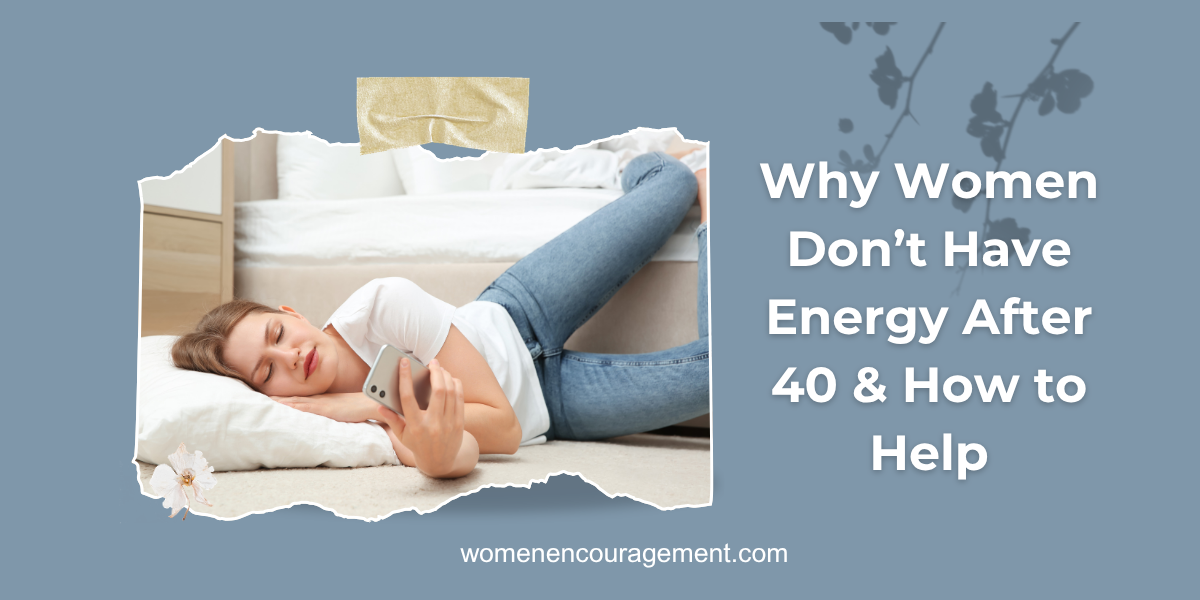
Energy and Motivation? Say what?!?? Have you ever looked at your to-do list and thought: “I know what I should do… I just don’t have the energy to do it.” You aren’t alone.
One of the most common struggles I hear from women over 40 is this: “I don’t feel like myself anymore.” They aren’t unmotivated, lacking discipline, and they aren’t lazy either. Typically, women our age are just exhausted. There is a huge difference!
Many women spend years carrying:
careers
children
aging parents
financial responsibilities
household management
emotional labor
hormone changes
chronic stress
relationships
Eventually the tank starts running low. The scary part? Many women assume they simply need to try harder. But often the issue isn’t motivation. It’s depletion.
Motivation and Energy Are Not the Same Thing
This may surprise you. Most people think motivation comes first. In reality, energy often comes first.
When you’re:
exhausted
overwhelmed
stressed
under-slept
emotionally drained
it’s difficult to feel motivated. Imagine trying to drive a car with no gas in the tank. That’s what many women are doing every day. They’re trying to create momentum from an empty tank. No wonder they feel stuck.
Common Reasons Women Lose Motivation After 40
There can be many reasons, including:
chronic stress
poor sleep
hormone fluctuations
decision fatigue
burnout
lack of movement
dehydration
blood sugar swings
emotional exhaustion
information overload
Sometimes what feels like laziness is actually exhaustion. And exhaustion deserves support, not shame.
5 Natural Ways to Support Motivation and Energy
1. Stop Trying to Do Everything
Many women are carrying enough responsibility for three people.
One of the quickest ways to feel defeated is trying to tackle everything at once.
Instead ask:
“What is the next right thing?”
Not:
next 20 things
next 50 things
Just the next thing.
Small wins build momentum.
2. Move Before You Feel Like It
This sounds backward. But waiting to feel motivated often doesn’t work. Movement creates momentum. I’ve started taking evening walks and it has increased my energy level exponentially. (Thank God!)
Try:
a 10-minute walk
stretching
dancing to one song
a quick workout
The goal is not perfection. The goal is movement. Action often creates motivation.
3. Eat for Energy
Many women accidentally fuel exhaustion.
Examples:
coffee only
sugary breakfasts
skipping meals
grabbing processed snacks
Instead focus on:
protein
healthy fats
fruits
vegetables
hydration
Your body needs fuel.
4. Reduce Decision Fatigue
One reason I love systems is because they reduce mental clutter.
Simple systems may include:
meal planning
weekly schedules
morning routines
evening routines
checklists
Every decision you eliminate frees up mental energy. And mental energy matters.
5. Celebrate Progress
Many women are accomplishing amazing things but only focus on what’s left undone. Try ending each day by writing:
Three things I did well today.
That’s it.
Momentum grows when we notice progress.
Wellness Tools I Personally Enjoy
As part of my wellness routine, I enjoy combining healthy lifestyle habits with supportive wellness products.
These products are not intended to diagnose, treat, cure, or prevent disease.
Many people enjoy NingXia Nitro as part of their morning routine when they need a little extra support for busy days.
The Real Secret to Motivation
The truth is:
Most women don’t need more pressure. They need more support with extra grace and nurturing. Females like us tend to be so tough on ourselves. Self care, patience, and support go a very long way.
More:
sleep
hydration
nourishment
movement
grace
healthy boundaries
Less:
guilt
perfectionism
comparison
overwhelm
Motivation is often a byproduct of feeling better. When your body has what it needs, showing up becomes easier.
Final Thoughts
Friend, if you’ve been feeling stuck lately, please know this:
We sure aren’t lazy. We just might need to sleep a few more minutes in the morning, or squeeze in some self care here or there.
My counselor has been telling me to say out loud to myself, “I am taking good care of you by eating this,” etc. By stating it out loud, I’ve noticed there is much more intention behind my actions.
Try it. you might like it.
Conclusion Recap:
You may simply be carrying more than anyone realizes.
Start small. Drink the water. Take the walk. Celebrate the win, no matter how small it might be. Build one simple habit at a time. Tiny steps create momentum. And momentum creates change. For more about Women’s Health, check out this post.
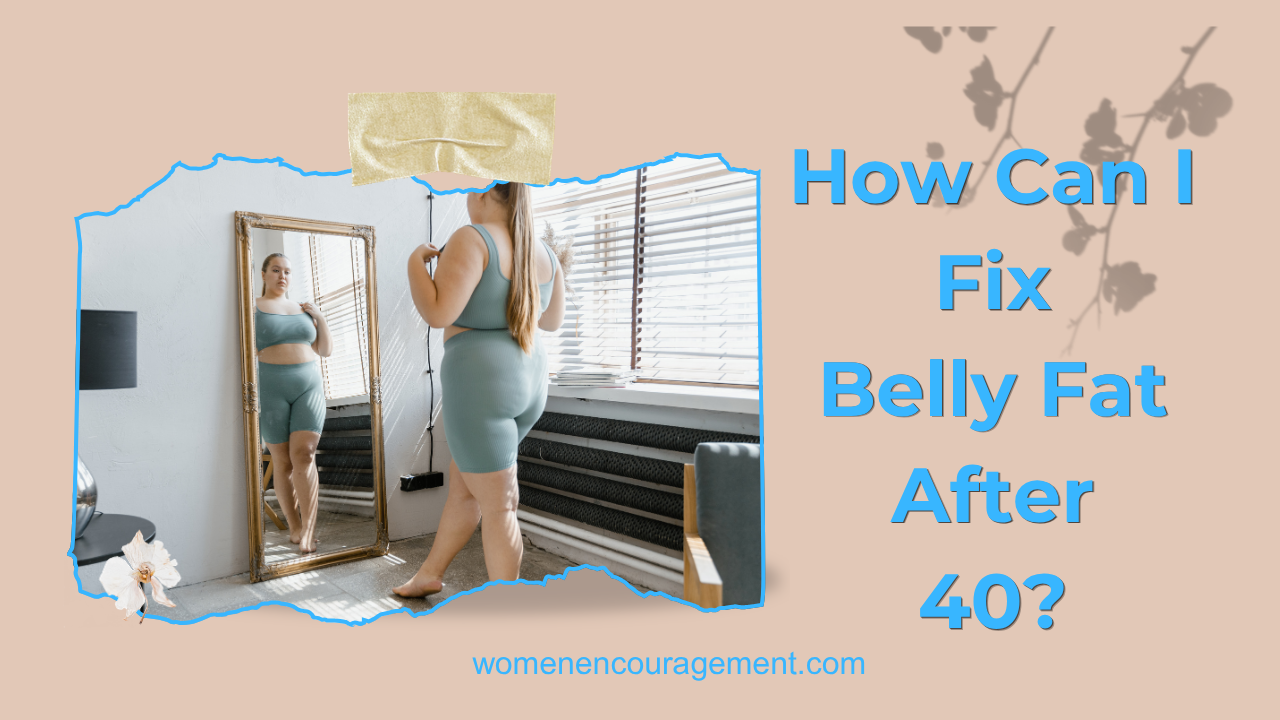
Belly Fat. Let’s start off with the obvious, this is not fun to talk about. However, there is hope!
The negative is that somewhere after 40, many women notice:
Weight suddenly settling around the middle
Cravings increasing
Energy dropping
Lack of sleep affecting everything
Stress showing up directly on their waistline
Meanwhile, the old tricks stop working.
Less food? Exhausting. And so constraining. More cardio? Barely moves the needle. And the boobs sweat so much more at this point or is it just me?
One cookie? Apparently this adds like ten pounds.
Am I the only one?
The truth of the matter is this:
Belly fat after 40 is often connected to much more than calories. This is actually a hopeful fact.
Our bodies are changing.
And no, we are not imagining it. If only we were imagining it, and we were somehow actually skinny.
Why Belly Fat After 40 Happens
There are several major shifts happening in the body after 40, especially during peri-menopause and post-menopause.
1. Hormonal Shifts
As estrogen changes, many women notice:
More weight around the midsection (sadness). It’s the great widening.
Increased cravings.
Changes in sleep.
Mood fluctuations.
Slower recovery.
This is incredibly common. It’s such a negative list. Ugh.
2. Stress & Cortisol
Stress affects far more than emotions.
Chronic stress can impact:
Sleep quality.
Hunger signals.
Cravings.
Blood sugar.
Fat storage. (Insert cuss words).
Especially around the belly. Good ole belly fat. Typing all this hurts my heart. Unfortunately, for me this has been reality.
Many women are carrying an unbelievable mental load right now. This affects how our bodies, mostly our stomach’s look. The belly fat seems to expand quicker than fresh bread in the oven.
3. Muscle Loss
After 40, women naturally begin losing muscle mass.
That matters because muscle helps support:
Metabolism
Insulin sensitivity
Strength
Energy use
This is one reason endless cardio often becomes frustrating. From what I understand, the intense cardio further stresses the body, causing more belly fat.
4. Blood Sugar Swings
This one is huge.
If blood sugar constantly spikes and crashes, many women notice:
Afternoon crashes
Sugar cravings
Increased hunger
Energy instability
Easier fat storage
Especially around the waist. Belly fat.
What Research Shows
Research suggests that post-menopausal women often experience:
Increased abdominal fat storage. Belly Fat. Duh.
Greater insulin resistance tendencies. Agony.
Reduced muscle mass. Hello flab where it’s never been before.
Greater sensitivity to stress and poor sleep. You think?
Research also shows that:
Poor sleep can increase hunger hormones
Chronic stress can influence eating patterns and fat storage
Strength training becomes increasingly important with age
Which means your body may need a different strategy now than it did at 25. (Captain Obvious).
I feel like after I turned 40, I could look at food and need to unbutton my jeans. Anybody else?
What Actually Helps – Finally, This is Where This Post Becomes Happy… 😁
First: we will not be starving ourselves (I tried, I still had my tummy fat blossoming).
Second: we will not be shaming ourselves because it doesn’t help either.
Third, we will not surviving on tiny salads while thinking about bread constantly. (This sounds like hell).
Um, I drink this every single day. My body craves this.
I think many women underestimate how often cravings are connected to:
Fatigue
Stress
Running on fumes
For me, supporting energy helps me make better choices overall. Also, Ningxia Red helps me win over sugar cravings. What’s wild is there is hardly any sugar in Ningxia Red, but my body loves this drink!
Final Thought
Our bodies are responding to
Hormonal changes
Stress
Sleep disruption
Blood sugar instability
Lifestyle overload
And the good news is:
Small changes really can add up over time.
Want My “Flat Belly After 40” Starter Guide?
I created a simple guide for overwhelmed women who want realistic wellness support without extreme diets.
Now let’s go shrink: eat protein and list weights. How did it get to this – ha!! Reach out with any questions.
Talk Soon,
Jenn
Here is a glossary of terms, just to help a friend out.
Belly Fat Over 40 Glossary of Terms
Cortisol
Often called the “stress hormone.” Cortisol is made by your adrenal glands and helps your body respond to stress. Short bursts are normal. But when cortisol stays high for long periods of time from chronic stress, poor sleep, overworking, or emotional overwhelm, it may increase cravings, fatigue, and stubborn belly fat storage.
Insulin
Insulin is a hormone made by the pancreas. Its job is to move sugar (glucose) from your bloodstream into your cells for energy. Think of insulin like a key that unlocks your cells so your body can use fuel properly.
Insulin Resistance
Insulin resistance happens when your cells stop responding well to insulin. Your body then produces MORE insulin to compensate. Over time, this may lead to weight gain, fatigue, cravings, inflammation, and increased belly fat — especially around the midsection.
Type 2 Diabetes
A chronic condition where the body struggles to regulate blood sugar levels properly. It often develops after years of insulin resistance. Lifestyle habits like movement, sleep, nutrition, and stress management can play a major role in prevention and support.
Blood Sugar
Blood sugar refers to the amount of glucose in your bloodstream. Large spikes and crashes in blood sugar can affect energy, mood, cravings, hunger, and fat storage. Stable blood sugar often supports better energy and appetite control.
Weight Training
A form of exercise that uses resistance — like dumbbells, resistance bands, machines, or body weight — to build muscle strength. Weight training becomes especially important after 40 because muscle naturally declines with age. More muscle can support metabolism, strength, posture, and healthy aging.
Metabolism
Your metabolism is the process your body uses to turn food into energy. Factors like age, sleep, hormones, stress, muscle mass, and activity levels can all influence metabolic health.
Muscle Mass
The amount of muscle on your body. Muscle burns more energy than fat tissue, even at rest. Maintaining muscle after 40 can support strength, energy, balance, and metabolic health.
Menopause
Menopause is officially diagnosed after a woman has gone 12 consecutive months without a menstrual cycle. Hormonal shifts during this season can impact sleep, mood, weight distribution, energy, and metabolism.
Perimenopause
The transition phase leading up to menopause. This stage can begin years before menopause officially happens. Hormones may fluctuate wildly during perimenopause, leading to symptoms like fatigue, brain fog, mood swings, irregular cycles, sleep issues, and stubborn belly fat.
Postmenopause
The stage after menopause. Hormone levels stabilize at lower levels than during reproductive years. Many women continue focusing on muscle health, bone density, metabolism, and stress management during this phase.
Cycles
A woman’s menstrual cycle is the monthly hormonal rhythm that prepares the body for pregnancy. Hormonal changes throughout the cycle can influence energy, cravings, mood, sleep, and appetite.
Estrogen
A primary female hormone involved in reproductive health, metabolism, bone health, and more. Changes in estrogen levels during perimenopause and menopause may influence where the body stores fat — especially around the abdomen.
Progesterone
A hormone that works alongside estrogen. Progesterone supports mood, sleep, and reproductive health. Declining progesterone levels may contribute to irritability, sleep struggles, and feeling “off.”
Inflammation
Inflammation is the body’s natural response to injury or stress. Short-term inflammation helps healing. Chronic inflammation, however, may be linked to fatigue, weight gain, joint discomfort, and metabolic challenges.
Visceral Fat
This is fat stored deep around the organs in the abdominal area. Unlike fat under the skin, excess visceral fat is associated with increased health risks and metabolic concerns.
Cravings
Strong urges for certain foods — often sugar or processed carbohydrates. Cravings can sometimes be influenced by stress, blood sugar swings, poor sleep, hormones, or emotional overwhelm.
Sleep Deprivation
Not getting enough quality sleep. Poor sleep may affect hunger hormones, stress hormones, energy, metabolism, and decision-making around food.
Sedentary Lifestyle
A lifestyle with very little movement or physical activity. Long periods of sitting may negatively impact circulation, muscle health, metabolism, and energy levels over time.
Protein
An important nutrient that helps build muscle, repair tissue, and support fullness after meals. Adequate protein intake becomes increasingly important after 40 for maintaining strength and metabolic health.
Strength Training
Another term for resistance or weight training. Strength training helps build muscle, support joints, improve posture, and maintain independence as we age.
Hormones
Chemical messengers in the body that help regulate things like energy, mood, metabolism, appetite, sleep, and reproductive health. Hormonal changes can impact how women feel physically and emotionally after 40.
Adrenal Fatigue
A popular wellness term often used to describe extreme exhaustion, burnout, and stress overload. While not officially recognized as a medical diagnosis, many people use the term to describe feeling emotionally and physically depleted from chronic stress.
Gut Health
Refers to the health and balance of bacteria and digestion within the digestive system. Gut health may influence immunity, inflammation, mood, cravings, and overall wellness.
Lean Muscle
Muscle tissue without excess fat. Building lean muscle can support a toned appearance, strength, metabolism, and healthy aging.
Calorie Deficit
Consuming fewer calories than your body burns. This is often discussed in weight loss conversations, though hormone health, muscle mass, stress, and sleep also play important roles in body composition after 40.
Non-Scale Victories
Positive health changes that are NOT tied to body weight. Examples include better sleep, more energy, improved mood, fewer cravings, stronger workouts, or feeling more confident in your clothes.
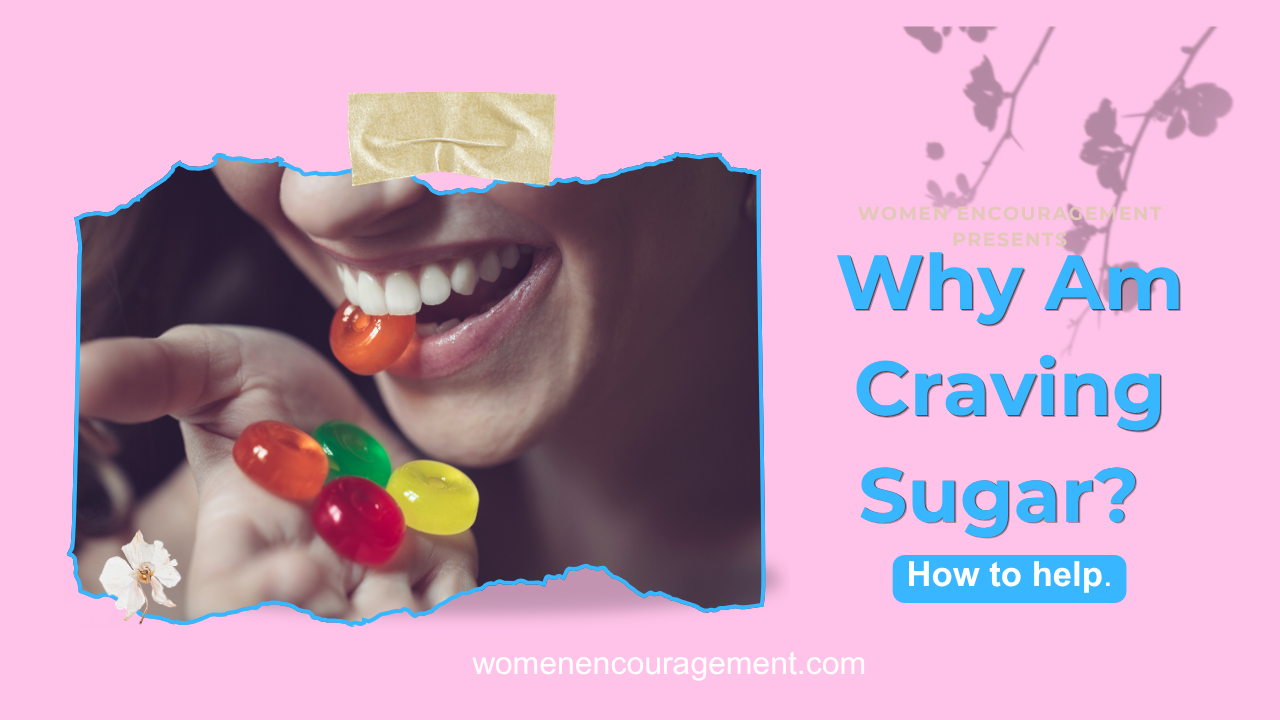
“If I don’t eat something sweet right now, I may not survive.”
You try to resist by drinking water, then you distract yourself. But, open the pantry anyway.
Sound familiar?
The truth of the matter is…
This is not a willpower problem.
It is your body trying to tell you something.
Most women are blaming themselves for something that is actually biological.
What’s really going on?
Let’s keep this simple.
There are usually 4 big reasons you’re craving sugar all day:
1. Blood sugar rollercoaster
If your day looks like:
coffee
quick carbs
skipping meals
Your blood sugar goes:
⬆️ spike ⬇️ crash ⬆️ spike ⬇️ crash
And your body says:
“We need sugar NOW.”
2. You’re under-eating protein
Most moms are running on:
carbs
snacks
whatever is left on their kid’s plate
Protein helps stabilize energy.
Without it?
*cravings increase *energy drops
3. You’re exhausted
Research shows:
Poor sleep can increase hunger hormones and cravings
When your body is tired, it looks for:
*fast energy *aka sugar
4. Stress is running the show
Stress does not just live in your head.
It affects:
blood sugar
hormones
energy
And it often leads to:
*emotional eating *quick cravings *“I just need something” moments, or hours of bingeing. I’ve been there, especially late at night (not my best moments).
What research actually shows
Blood sugar swings are linked to increased hunger and cravings
Sleep deprivation can increase appetite and desire for high-calorie foods
Chronic stress is associated with increased snacking and sugar intake
Translation:
This is your body trying to keep up.
So what actually helps?
Not cutting sugar completely.
Or “being more disciplined.”
And absolutely not starting over every Monday.
You need:
Simple daily support that stabilizes your body
My simple craving support routine
This is what I personally focus on:
1. Protein first
Before coffee if possible.
Even something small helps.
Ideas: Look at Legendary protein products, spoon full of peanut butter, a perfect bar (first thing in the morning).
2. Don’t skip meals
I know. We all do it.
But it almost always backfires later.
PS I have friends getting Factor meals and the like to have meals ready at all times to fix this problem. This answer is currently out of my budget, but just sharing in case it will help you. =)
3. Move your body (just a little)
Even a 10-minute walk helps regulate blood sugar.
These gadgets are helping me do this, even when it rains:
Ningxia Red is what I crave currently. I drink it, and it puts a huge clamp on cravings. This also supports nine systems in the body. I will never be without my Ningxia Red, I pray.
Where it fits: daily energy + consistency
Let me be honest…
A lot of cravings aren’t just about sugar.
They’re about:
low energy
running on fumes
your body looking for a quick boost
That’s where I personally like adding something simple in the morning.
NingXia Red is a daily antioxidant drink made with wolfberry and other plant-based ingredients.
I don’t use it as a “fix.”
I use it as support for:
steady energy
daily nutrition
helping me not feel like I’m crashing by mid-afternoon (I drink it after lunch and sometimes in the morning as well).
And when your energy feels more stable… cravings tend to feel less intense. Winner!!
To provide the best experiences, we use technologies like cookies to store and/or access device information. Consenting to these technologies will allow us to process data such as browsing behavior or unique IDs on this site. Not consenting or withdrawing consent, may adversely affect certain features and functions.
Functional
Always active
The technical storage or access is strictly necessary for the legitimate purpose of enabling the use of a specific service explicitly requested by the subscriber or user, or for the sole purpose of carrying out the transmission of a communication over an electronic communications network.
Preferences
The technical storage or access is necessary for the legitimate purpose of storing preferences that are not requested by the subscriber or user.
Statistics
The technical storage or access that is used exclusively for statistical purposes.The technical storage or access that is used exclusively for anonymous statistical purposes. Without a subpoena, voluntary compliance on the part of your Internet Service Provider, or additional records from a third party, information stored or retrieved for this purpose alone cannot usually be used to identify you.
Marketing
The technical storage or access is required to create user profiles to send advertising, or to track the user on a website or across several websites for similar marketing purposes.