Tag: hydration

  • How Can I Help My Child’s Upset Tummy Naturally?

    How Can I Help My Child’s Upset Tummy Naturally?

    Simple Comfort Measures for Little Tummies

    “Mommmmm. My tummy hurts.”

    Four words that can mean approximately 847 different things.

    Are they hungry? Constipated? Getting a stomach bug? Did they eat seventeen handfuls of cheese crackers? Are they nervous about school tomorrow?

    WHO KNOWS.

    As a mom, I’ve spent plenty of time trying to decode the mysterious childhood tummy ache. And while significant, severe, or persistent stomach pain deserves a call to your child’s healthcare provider, there are some simple things we can do at home to comfort an occasional upset tummy.

    Here are some of my favorite natural ways to support little tummies—and a peek inside my Mom Tummy Toolkit at the end.

    My Story

    My son has been type 1 diabetic since he was four. He has had so many puking situations with high blood sugar. Sadly, he gets nauseous in the car too.

    We found peppermint oil since he was little helps so much! We dripped some in our car vents while the AC ran. The smell seemed to help everyone’s tummies feel better.

    My oldest daughter had chronic tummy aches after she ate. She needed to lay down after meals. We never received answers as to why this was happening. As she’s gotten older, she seems to have outgrown this.

    Tummy aches are no foreign subject. I’m grateful for the natural remedies we have. Rubbing my own tummy with essential oils is such a comfort. Read along for more hopeful info!

    1. Start With Hydration

    This is always one of my first questions:

    “Have you had anything to drink?”

    If your child has been vomiting or has diarrhea, hydration becomes especially important.

    Small, frequent sips may be easier on an upset stomach than gulping a giant cup of water all at once.

    Depending on your child’s age and situation, you might offer:

    • Water
    • Ice chips
    • Ice pops
    • An age-appropriate oral rehydration drink recommended by their healthcare provider

    And don’t be afraid to start small. Sometimes a couple of sips every few minutes is much easier to handle or fluids sipped through a teaspoon.

    2. Don’t Force Them to Eat

    I grew up in the era of: “You aren’t leaving this table until you finish your dinner.” Thankfully, we’ve learned a few things since then. 😂

    If your child doesn’t feel like eating, don’t turn dinner into a hostage negotiation. When their appetite starts coming back, offer foods they normally tolerate and keep things simple. Skip the super-rich, greasy, or spicy foods for a bit. And let their belly tell you when it’s ready for more.

    3. Bring on the Warmth

    There is something wonderfully comforting about warmth on an achy tummy.

    Try a warm—not hot—compress or an age-appropriate heating pad used carefully with adult supervision.

    Then add:

    Favorite blanket.

    Stuffed animal.

    Movie.

    Mom cuddles.

    Boom.

    You’ve basically created the childhood version of a luxury spa. 😂

    4. Try a Little Gentle Movement

    If your child isn’t actively vomiting and feels well enough to move, sometimes a little gentle movement feels good.

    You could try:

    • Walking around the house
    • Gentle stretching
    • Bringing the knees toward the chest
    • Quiet play
    • A little tummy massage, if your child enjoys it

    Nothing strenuous. We’re not training for the Olympics here; just trying to get that little body moving comfortably (often helps move gas around)…

    5. Ask the Poop Question

    Yes. We’re going there. Because we’re moms, and apparently discussing poop is part of the job description.

    If your child keeps complaining about their tummy, think about when they last had a bowel movement. Constipation can cause abdominal discomfort in children, and sometimes kids don’t even realize that’s what’s happening.

    Water, movement, and age-appropriate fiber-rich foods can help support normal bowel habits. If constipation is frequent, painful, severe, or isn’t improving, talk with your child’s healthcare provider rather than continually trying home remedies.

    A great alternative to Mira Lax is our Daily Prebiotic Fiber. Most of my four kids like the taste. It keeps things moving along.

    6. Remember That Worry Can Hurt a Tummy Too

    This one is easy to miss. Kids can feel stress in their bodies just like adults do.

    School.

    Friend problems.

    Sensory overload.

    Changes in routine.

    A test tomorrow.

    Something scary they saw.

    Sometimes the stomachache is real—but the trigger isn’t actually the stomach.

    Try asking:

    “Is anything worrying you today?”

    Then listen.

    Sometimes ten minutes curled up next to Mom talking about what’s going on is exactly what they needed. Poof! Tummy ache cured.

    7. Create a Calm Environment

    When somebody’s tummy is unhappy, I don’t want chaos.

    Lower the lights.

    Turn down the noise.

    Grab the blankets.

    Put on a favorite movie.

    Diffuse something gentle and comforting like Peace and Calming Blend. Young Living is part of our family’s natural-living routine, so essential oils are one of the tools I like having available.

    But more isn’t better.

    Especially with kids.

    Tummygize is a favorite for topical application.

    8. Be Careful With “Natural”

    I LOVE natural options.

    Obviously.

    But here’s my Mom PSA:

    Natural doesn’t automatically mean appropriate for every child.

    Essential oils, herbal teas, supplements, and other natural products can still have age restrictions, medication interactions, dilution requirements, or other precautions.

    Read labels.

    Follow age recommendations.

    And when you’re unsure, ask your pediatrician or pharmacist.

    Especially with little ones.

    Tummy

    What’s In My Mom Tummy Toolkit?

    Okay, here’s the part I promised you.

    When somebody in my house announces that their stomach is staging a rebellion, I like having a few simple things available so I’m not searching the internet at 2:00 AM while somebody is holding a bucket.

    Been there.

    Don’t recommend it. 😂

    1. A Good Electrolyte Option

    Hydration is always high on my list, particularly when someone has been vomiting or experiencing diarrhea.

    I keep an age-appropriate electrolyte option around so I don’t have to run to the store when somebody gets sick.

    2. A Heating Pad or Warm Compress

    Not glamorous.

    Not expensive.

    But sometimes incredibly comforting.

    This earns a permanent spot in my Mom Toolkit.

    3. Young Living Tummygize Essential Oil Blend

    Tummygize is one of the Young Living products I like having in my natural-living cabinet.

    It’s a blend containing oils including Tarragon, Ginger, Peppermint, Juniper, Fennel, Lemongrass, Anise, and Patchouli – especially formulated for children.

    I love the convenience of having thoughtfully combined essential oils in one bottle instead of trying to become an amateur essential-oil chemist in my kitchen.

    For children, however, I would never automatically use an adult essential-oil routine.

    4. Ginger

    Ginger has been used traditionally for digestive comfort for a very long time, which is one reason you’ll often see it mentioned when talking about queasy stomachs.

    It’s also one of the essential oils found in Tummygize.

    Depending on your child’s age, health history, and what their healthcare provider recommends, there are different ways families may incorporate ginger.

    Again: little bodies aren’t miniature adult bodies.

    Age matters.

    5. My Mom Radar

    This might be the most important thing in the entire kit.

    You know your child.

    There’s a difference between:

    “My tummy feels funny.”

    and

    “Something is really wrong.”

    Don’t let your desire to handle something naturally keep you from getting medical care when your child needs it.

    Natural living and modern medicine don’t have to be enemies.

    I use both.


    When Is a Child’s Stomachache More Than an Upset Tummy?

    Most parents develop a pretty good radar for when something isn’t right.

    Contact your child’s healthcare provider or seek prompt medical attention if you’re concerned about things such as:

    • Severe or worsening abdominal pain
    • Persistent vomiting
    • Blood in vomit or stool
    • Signs of significant dehydration
    • A swollen, hard, or very tender abdomen
    • Unusual weakness or difficulty waking
    • Difficulty breathing
    • High or concerning fever
    • Pain that continues or repeatedly returns
    • Or simply a child who seems much sicker than usual

    And if your gut is telling you something isn’t right?

    Make the call.

    I’d rather ask the question and find out everything is okay than ignore that Mom Alarm going off in my head.

    You Don’t Need to Do Everything Perfectly

    When our kids hurt, we want to FIX IT.

    Right. Now.

    But sometimes caring for an upset tummy is pretty simple:

    Small sips.

    Rest.

    Warmth.

    Gentle food when they’re ready.

    A calm environment.

    A few carefully chosen natural-living tools.

    And a whole lot of Mom.

    You don’t need 47 supplements and a Ph.D. in holistic health.

    Start simple.

    Pay attention to your child.

    And keep a few trusted tools around for those inevitable:

    “MOMMMMM! MY TUMMY HURTS!”

    moments.

    Want to See What’s in My Natural Mom Toolkit?

    I’ve spent years finding simple products and routines that fit into real family life—not Pinterest-perfect family life.

    If you’d like to see the Young Living products I personally keep around for my family’s natural-living routine, I’ve put my favorites together in one place.

    [SEE MY MOM TOOLKIT]

    No pressure. No miracle promises.

    Just the things this mom likes having in her cabinet before somebody decides to get sick at 1:37 AM.

    Because apparently children have business hours. And those business hours are never 9–5. 😂

    This article is for educational purposes only and is not medical advice. Essential oils and other natural products are not intended to diagnose, treat, cure, or prevent disease. Always follow current product directions and age guidance and consult your child’s healthcare professional when appropriate.

    For more fun products, look at our Merch Page HERE.

  • Why Do My Kids Keep Getting Sick at School? 12 Immune Support Actions To Take

    Why Do My Kids Keep Getting Sick at School? 12 Immune Support Actions To Take

    Immune support - back to school

    Immune Support

    Every year it seems to happen like clockwork. You buy the school supplies, pack the lunches, snap the first-day photos…and within a few weeks, someone comes home with a runny nose.

    Sound familiar?

    As children return to classrooms, they’re exposed to hundreds of new germs through shared desks, playground equipment, lunch tables, and close contact with classmates. While getting sick occasionally is a normal part of growing up, there are many simple habits that can help support your child’s overall health and wellness throughout the school year.

    Here are twelve practical ways to help your family stay healthier this back-to-school season. Let’s increase immune support holistically.


    1. Prioritize Quality Sleep

    For optimal immune support we need sleep as it is one of the most important things you can do for your child’s overall health. When children don’t get enough sleep, they may be more susceptible to illness and have a harder time concentrating at school.

    Try to:

    • Create a consistent bedtime routine.
    • Limit screens before bed.
    • Keep bedrooms cool, dark, and quiet.

    Grab my FREE night time wind down for kid’s guide HERE.


    2. Fill Their Plate with Color

    For immune support a rainbow of fruits and vegetables provides vitamins, minerals, and antioxidants that support overall wellness. Aim to include colorful foods like:

    • Blueberries
    • Strawberries
    • Bell peppers
    • Carrots
    • Broccoli
    • Spinach
    • Sweet potatoes

    Small changes made consistently can add up over time.


    3. Keep Them Hydrated

    Immune support is improved with hydration. Many children simply don’t drink enough water during the school day. Hydration supports normal body functions and may help children feel more energetic and focused.

    Consider sending a reusable water bottle to school every day. But wash it in HOT water with a natural dish soap like Thieves.


    4. Encourage Good Handwashing

    Immune support is easy with this habit. One of the simplest ways to reduce the spread of germs is proper handwashing. Teach children to wash with soap and water for at least 20 seconds, especially:

    • Before eating
    • After using the restroom
    • After recess
    • After coughing or sneezing

    To make sure hand washing is long enough, I used to have my Fantastic Four sing the Alphabet song slowly. They hated it. I tried.

    I love a great smelling hand soap. It makes me look forward to washing my hands. Check this “clean” hand soap out.


    5. Get Outside Every Day

    Immune support comes naturally with fresh air and regular physical activity benefit both physical and mental well-being. Even a family walk after dinner can make a difference.

    When outside time isn’t in the cars, I try to keep windows open even for five minutes. Letting fresh air into our homes is refreshing!


    6. Reduce Added Sugar

    Immune support in a sour way. While treats certainly have their place, diets high in added sugar can crowd out more nutritious foods.

    Focus on:

    • Whole fruits
    • Nuts
    • Yogurt
    • Cheese
    • Protein-rich snacks

    instead of highly processed options whenever possible. Don’t tell your kids I wrote this, they may hate me for it. 😂

    Immune support actions

    7. Build a Healthy Gut

    Immune support is a gut topic. Did you know much of the body’s immune system is connected to the digestive tract? Supporting gut health through a balanced diet that includes fiber-rich foods and fermented foods (when appropriate) can be part of a healthy lifestyle.

    Some families also choose to include a probiotic as part of their daily wellness routine after discussing it with their healthcare provider. I do this with a yummy pixie stick that I mention below. Stay tuned.


    8. Manage Stress

    Immune support happens when we are at peace and full of joy. School can be exciting—but it can also be stressful.

    Encourage:

    • Family conversations
    • Prayer
    • Reading together
    • Outdoor play
    • Quiet time

    These simple habits can help children feel emotionally supported.

    My go to for rides to and home from school is Stress Away Essential Oil. I used to put a few drops in my car’s/van’s air vents. It helped our commute feel more bearable.


    9. Keep Frequently Touched Items Clean

    Immune support happens with cleanliness. Think beyond kitchen counters. Don’t forget to regularly clean:

    • Lunch boxes
    • Water bottles
    • Backpacks
    • Phones
    • Tablets
    • Doorknobs

    I shamelessly plug Thieves Cleaner in this category. It makes it easy and it smells great too.

    Not only keep the items clean, but on the go hands clean too. Thieves hand sanitizer is helpful too.


    10. Teach Healthy Habits

    Immune support happens with small action. Help children remember to:

    • Cover coughs and sneezes.
    • Avoid touching their face.
    • Stay home when they’re sick if possible.
    • Wash hands after blowing their nose.

    These small habits help protect the whole family.

    Immune Support

    11. Consider Wellness-Support Products

    Immune support can be purchased too. In addition to healthy lifestyle habits, some families choose to include wellness-support products as part of their daily routine.

    Here are three that our family enjoys:

    Thieves® Sanitizing Spray

    This convenient spray is easy to keep in a backpack, purse, or car for quick hand and surface sanitizing when soap and water aren’t available.

    As part of our morning routine, I would spray this lightly on the bottom’s of my kids feet. It helps support the immune system through the skin.

    MightyPro™ Probiotic Pixie Sticks

    These kid-friendly probiotic gummies are designed to support digestive health, which plays an important role in overall wellness.

    Young Living Kids Probiotic Pixie Sticks

    MightyZyme™ Immuno Gummies

    These gummies provide vitamins and nutrients that support a healthy immune system as part of a balanced diet and healthy lifestyle.

    These are so yummy, do not let your children eat too many. I bet your kids gobble them up! You could give them a gummy or two as a reward after dinner. How fun is that?!?

    As always, talk with your child’s healthcare provider if you have questions about supplements or what’s appropriate for your child.


    12. Don’t Forget to Celebrate Progress

    Immune support is accomplished with small steps of progress. Healthy living isn’t about perfection.

    It’s about building small habits that become part of everyday life.

    One extra serving of vegetables.

    A little earlier bedtime.

    Some more drinks of water.

    One more family walk.

    These little choices add up over time ending up with less viruses and more immune support. Healthy people have more fun. Prove me wrong.

    Immune support

    Final Thoughts

    Back-to-school season doesn’t have to feel overwhelming. Immune support can actually be enjoyable!

    By focusing on healthy habits, good nutrition, regular sleep, movement, hydration, and simple wellness routines, you’ll be giving your family a strong foundation for the months ahead.

    Remember, every healthy choice matters—even the small ones. Make immune support FUN!

    Immune support

    Free Gift for You!

    Want an easy way to prepare your family for a healthier school year?

    Download my FREE Healthy Home & Wellness Guide!

    Inside you’ll discover:

    • Simple daily healthy habits
    • Healthy home tips
    • Ways to reduce unnecessary chemicals around your home
    • Family wellness routines
    • Easy swaps for a healthier lifestyle
    • Printable checklists you can start using today

    Grab your FREE Wellness Guide today and start building healthier habits—one simple step at a time!

    For more healthy tips for kids see the post: Why is My Baby So Fussy? Natural Tips To Help.


  • Why Do I Keep Getting UTIs? 10 Natural Ways to Help Lower Your Risk

    Why Do I Keep Getting UTIs? 10 Natural Ways to Help Lower Your Risk

    UTI’s – not fun.

    UTI frequent infractions

    If you’ve ever found yourself thinking, “Why do I keep getting urinary tract infections?”, you’re definitely not alone.

    Millions of women experience urinary tract infections (UTIs) every year, and for some, they seem to come back again and again. Recurrent UTIs can be frustrating, uncomfortable, and sometimes even affect your confidence and daily life.

    The good news is that while no natural habit can guarantee you’ll never get another UTI, there are several evidence-based lifestyle changes that may help lower your risk and support a healthy urinary tract.

    Let’s take a look at ten simple habits that may make a difference.


    What Is a Urinary Tract Infection?

    UTI’s, or formally a urinary tract infection occurs when bacteria enter the urinary tract and multiply, causing irritation and infection.

    Common symptoms include:

    • A burning sensation while urinating
    • Frequent urges to urinate
    • Feeling like you still need to go after emptying your bladder
    • Cloudy or strong-smelling urine
    • Pelvic discomfort
    • Blood in the urine (sometimes)

    If you develop a fever, chills, severe back pain, vomiting, or think the infection may have spread to your kidneys, seek medical attention promptly.


    Why Do Some Women Get Frequent UTIs?

    Several factors can increase the risk of recurrent UTIs, including:

    • Not drinking enough water
    • Holding your urine for long periods
    • Sexual activity
    • Menopause and lower estrogen levels
    • Certain birth control methods
    • Constipation
    • Diabetes
    • Structural urinary tract problems
    • A previous history of recurrent infections

    Understanding your personal risk factors is an important first step toward prevention of UTIs.


    10 Natural Ways to Help Lower Your Risk of UTIs

    1. Drink Plenty of Water

    Water helps dilute your urine and encourages regular urination, which can help flush bacteria from the urinary tract.

    Aim to drink enough fluids throughout the day so your urine stays light yellow.


    2. Don’t Hold Your Urine

    When you feel the urge to go, don’t wait.

    Regularly emptying your bladder gives bacteria less opportunity to multiply.


    3. Pee After Sex

    This is one of the simplest habits you can develop.

    Sexual activity can move bacteria closer to the urethra. Urinating after sex may help flush bacteria out before they have an opportunity to multiply.

    Many healthcare providers recommend making this part of your routine.


    4. Wipe Front to Back

    Always wiping from front to back helps reduce the chance of moving bacteria from the rectal area toward the urethra.

    It’s a simple habit that can make a big difference.


    5. Wear Breathable Cotton Underwear

    Cotton allows better airflow and helps reduce moisture.

    Warm, damp environments allow bacteria to grow more easily, so breathable fabrics are often a better choice.


    6. Change Out of Wet Clothing

    Whether you’ve been swimming or exercising, avoid staying in wet swimsuits or sweaty workout clothes for long periods.

    Dry clothing helps create a healthier environment for your skin.


    7. Avoid Harsh Feminine Products

    Douches, scented sprays, powders, and heavily fragranced soaps may irritate delicate tissues.

    Gentle cleansing with warm water and mild products is often all that’s needed.


    8. Prevent Constipation

    Many people don’t realize constipation can place pressure on the bladder and affect how completely it empties.

    Eating plenty of fiber, drinking water, and staying active all support healthy digestion.


    9. Talk to Your Healthcare Provider About Menopause

    As estrogen naturally declines after menopause, changes in the urinary tract can increase the risk of recurrent UTIs for some women.

    Your healthcare provider can discuss treatment options that may be appropriate for your individual situation.


    10. Don’t Ignore Frequent Infections

    If you continue getting UTIs several times a year, it’s worth discussing with your healthcare provider.

    Sometimes recurrent infections have an underlying cause that deserves further evaluation.


    My Favorite Young Living Products for Everyday Wellness

    While healthy habits like drinking plenty of water, practicing good hygiene, urinating after sex, and working with your healthcare provider are the foundation of urinary tract health, I also enjoy a few Young Living products as part of my overall wellness routine.

    These products are not intended to diagnose, treat, cure, or prevent urinary tract infections.

    🌿 Kidney & Bladder Support

    Kidney & Bladder Support is one of my personal favorites. It’s formulated with a blend of herbs traditionally used to support normal kidney and bladder function as part of a healthy lifestyle.

    This stuff doesn’t taste great, although in time I’ve grown to love it! My friends mix it with other drinks. I take it straight down the hatch.

    uti

    🍒 NingXia Red®

    NingXia Red is my favorite daily wellness drink. It contains antioxidant-rich wolfberry puree and a blend of fruit juices, making it an easy addition to my everyday routine.

    NingXia Red Drink

    🌱 Life 9®

    Life 9 is a probiotic supplement that supports digestive health and a balanced gut microbiome. Supporting overall wellness is something I believe benefits every part of our health journey.


    When to See Your Healthcare Provider

    Contact your healthcare provider if you:

    • Have a fever or chills
    • Experience severe back or side pain
    • Notice blood in your urine
    • Are pregnant and think you have a UTI
    • Have symptoms that don’t improve
    • Experience frequent or recurrent UTIs

    Prompt evaluation and treatment can help prevent complications.


    Final Thoughts

    If you’ve been wondering, “Why do I keep getting UTIs?”, know that you’re not alone.

    Small daily habits—like staying hydrated, urinating after sex, avoiding harsh feminine products, and paying attention to your body’s signals—can go a long way toward supporting urinary tract health.

    Progress doesn’t happen overnight, but simple, consistent choices often make the biggest difference.


    Grab My Free Wellness Guide!

    Healthy living isn’t about perfection—it’s about taking one simple step at a time.

    If you’d like more practical, science-informed wellness tips, I’d love to invite you to download my Free Wellness Guide.

    Inside you’ll discover simple ways to reduce your everyday chemical exposure, support your overall wellness, and create a healthier home for yourself and your family.

    Click below to download your free Wellness Guide and start building healthier habits today!

    Get Your FREE Wellness Guide Here.

    For more along these lines, check out the article, Why Am I Losing My Hair After 40 and How to Help.

    Talk Soon,

    Jenn

  • Why Am I So Inflamed? 7 Everyday Habits That May Help Women Over 40 Feel Better

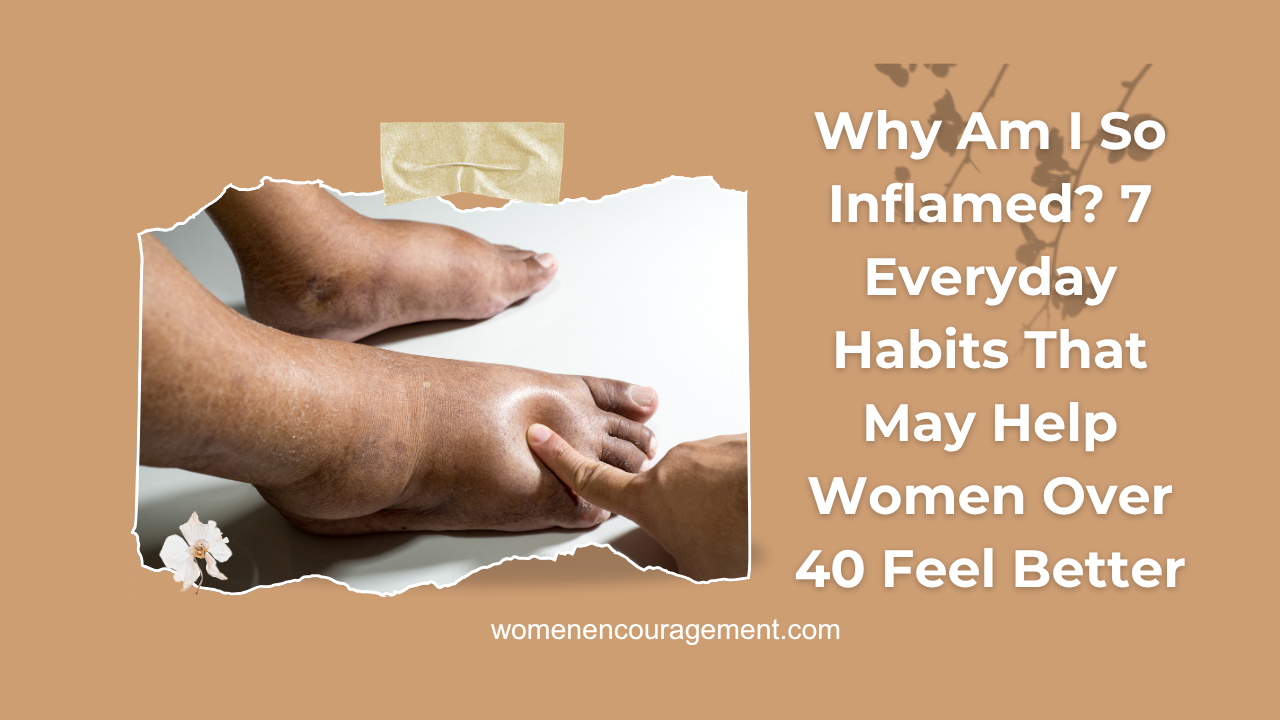
    Why Am I So Inflamed? 7 Everyday Habits That May Help Women Over 40 Feel Better

    Inflamed? Why are women over 40 so inflamed? Here are 7 Everyday Habits That May Help

    Do you ever wake up feeling stiff, puffy, or like your body just doesn’t bounce back the way it used to?

    You’re not alone.

    Many women over 40 notice changes in their energy, joints, digestion, and overall well-being. While there are many reasons this can happen, one factor that may play a role is chronic inflammation.

    Inflammation isn’t always a bad thing. In fact, it’s one of the ways your body protects and heals itself after an injury or illness. The problem comes when your body is under constant stress from poor sleep, highly processed foods, ongoing stress, or other lifestyle factors. Over time, that constant stress may leave you feeling tired, achy, and discouraged. These all leave the body: inflamed.

    The good news? Small daily habits can make a big difference.

    1. Fill Your Plate with More Whole Foods

    One of the simplest ways to support your body’s natural healing processes is by eating more whole foods.

    Try adding:

    • Colorful vegetables
    • Fresh fruit
    • Healthy fats like avocado and olive oil
    • Lean proteins
    • High-fiber foods

    At the same time, reducing highly processed foods and added sugars may help support your body’s normal inflammatory response, meaning we are less inflamed.

    2. Prioritize Quality Sleep

    Your body performs much of its repair work while you sleep.

    Aim for a consistent bedtime and create a relaxing nighttime routine by limiting screens, keeping your bedroom cool, and winding down before bed.

    After a good night’s sleep with quality rest, I see my face physically looks less inflamed. Sleep is healing!

    If you’re interested: download my FREE 5 Minute Wind Down Routine for more quality sleep.

    3. Move Your Body Every Day

    You don’t need an intense workout to experience the benefits of movement.

    A simple 20-minute walk, gentle stretching, yoga, or strength training can help support healthy joints, circulation, and overall wellness. Inflamed bodies decrease as the body moves more.

    4. Reduce Everyday Stress

    Long-term stress affects nearly every system in the body.

    Simple habits like prayer, deep breathing, journaling, spending time outside, or enjoying quiet moments can help calm your mind and support your overall health. Inflammation has a tougher time surviving when the body feels supported. We heal when we feel safe, and relaxed.

    5. Drink More Water

    Hydration is one of the easiest wellness habits to improve.

    Water supports countless functions throughout the body and helps keep everything working as it should, taming inflammation.

    6. Reduce Your Chemical Load

    Many everyday cleaning products, air fresheners, candles, and personal care products contain unnecessary fragrances and harsh chemicals.

    You don’t have to replace everything overnight. Simply switching one product at a time is a great place to begin creating a healthier home. Inflamed bodies heal better with pure plant based, non hormone disrupting supports.

    7. Give Yourself Grace

    Healthy living isn’t about being perfect. It’s about making small, sustainable choices that add up over time. One healthy meal won’t change your life. Neither will one unhealthy meal. Consistency is what matters, with a solid routine of health, inflamed bodies heal.

    Wellness Products I Personally Enjoy

    Healthy habits will always be the foundation of feeling your best, but I also enjoy using a few Young Living products as part of my daily wellness routine.

    NingXia Red®

    NingXia Red is an antioxidant-rich drink made with wolfberries and other fruit juices. I enjoy starting my morning with it because it’s an easy way to add antioxidant-rich ingredients to my day.

    I have drank this every day for years. My body craves this stuff. It is a magnificent drink that has very low sugar, but tastes so refreshing!!

    6 Benefits of Drinking Ningxia Red

    Sulfurzyme®

    Sulfurzyme contains MSM (methylsulfonylmethane), wolfberry powder, and other ingredients that many people choose to include as part of their wellness routine to support healthy connective tissues and overall wellness.

    Guys, this helped me greatly after a divorce. This supplement isn’t just great for inflammation, there is much more as well. Do the research (hint: healthy and hair and nails)!

    Sulferzyme capsules

    Life 9®

    A healthy gut plays an important role in overall wellness. Life 9 is a probiotic supplement designed to help support a healthy balance of beneficial bacteria when combined with healthy lifestyle habits.

    This is a powerful probiotic and one that almost all my team buys. They all say they feel better taking this.

    Please note: These products are not intended to diagnose, treat, cure, or prevent any disease. I simply enjoy using them as part of my own wellness routine alongside healthy eating, movement, quality sleep, and stress management.

    With these healthy habits and my favorite anti inflamed products, we will be feeling more like ourselves again. We do not have to live so inflamed. There are ways to help.

    The Bottom Line

    If you’ve been wondering, “Why do I feel so inflamed?” you’re not imagining things.

    The good news is that you don’t have to change everything overnight.

    Small choices made consistently often lead to the biggest results.

    Ready to Take the First Step?

    If you’re ready to reduce your family’s everyday chemical exposure and build healthier habits one day at a time, I’d love to invite you to join my FREE 14-Day Healthy Home Challenge!

    Each day you’ll receive one simple action step that takes just a few minutes to complete. No overwhelm. No perfection required. Just practical ideas to help you create a healthier home and healthier lifestyle.

    I can’t wait to encourage you along the way!

    For more on this subject, check out: The Blog Post Rebounding Energy and Motivation. For more holistic health products to assist you or your family member with answers customized to your needs, click my Shop By Need page here.

    Talk Soon & ask all your questions please.

    -Jenn

  • Why Does My Stomach Always Hurt and How to Help It Naturally

    Why Does My Stomach Always Hurt and How to Help It Naturally

    Why Does My Stomach Always Hurt?

    Simple Ways to Support Digestion Naturally

    Woman laying down with stomach upset

    Have you ever finished a meal and immediately felt uncomfortable? Why does our stomachs always hurt?

    Maybe you experience:

    • bloating
    • stomach discomfort
    • gas
    • indigestion
    • feeling overly full
    • sluggish digestion
    • occasional food sensitivities

    If so, you’re not alone.

    Digestive complaints are incredibly common, especially as we get older. And while occasional digestive discomfort can happen to anyone, constantly feeling uncomfortable after meals can make everyday life frustrating.

    The good news? There are simple habits that may help support healthy digestion naturally. These habits will support us in not having our stomachs always hurting.


    Why Digestion Matters

    Your digestive system does much more than process food. It plays a role in:

    • nutrient absorption
    • energy levels
    • immune function
    • overall wellness
    • how you feel throughout the day

    When digestion isn’t functioning optimally, many people notice they simply don’t feel their best… their stomachs always hurt.


    Common Reasons People Experience Digestive Discomfort

    Digestive discomfort can have many causes, including:

    • eating too quickly
    • highly processed foods
    • lack of movement
    • stress
    • food sensitivities
    • inadequate hydration
    • changes that come with aging

    If digestive symptoms are severe, persistent, or worsening, it’s important to speak with a healthcare professional.


    Natural Ways to Support Digestion, so our stomach doesn’t always hurt

    1. Take a Walk After Meals

    One of the simplest habits you can build is walking after eating.

    Even a 10-minute walk may help support:

    • healthy digestion
    • circulation
    • overall wellness

    You don’t need an intense workout.

    A short stroll around the block is enough.


    2. Focus on Whole Foods

    Many people notice they feel better when they eat more:

    • vegetables
    • fruits
    • quality proteins
    • healthy fats
    • minimally processed foods

    Whole foods provide nutrients your body can use while reducing many of the additives found in heavily processed foods.


    3. Stay Hydrated

    Water supports nearly every function in the body, including digestion.

    Simple goal:

    Drink water consistently throughout the day.


    4. Slow Down While Eating

    Many of us eat while:

    • driving
    • scrolling
    • working
    • multitasking

    Try slowing down.

    Chew thoroughly.

    Put the fork down between bites.

    Give your body time to recognize fullness.


    Wellness Products I Personally Use

    As part of my own wellness routine, these are a few digestive-support products I personally enjoy. My stomach does not always hurt anymore. I am so thankful.

    These products are not intended to diagnose, treat, cure, or prevent disease.

    Essentialzymes 4

    Enzymes help break down food during digestion. Many people choose digestive enzyme supplements as part of their overall digestive wellness routine.


    Allerzyme

    Allerzyme combines digestive enzymes with additional ingredients designed to support digestive wellness and nutrient breakdown.


    Life 9

    Life 9 is a probiotic supplement that provides beneficial bacteria often associated with supporting digestive and gut health.


    NingXia Red

    NingXia Red is an antioxidant-rich beverage that many people enjoy as part of a healthy lifestyle and overall wellness routine.

    NingXia Red Drink

    Final Thoughts

    If your stomach always seems to hurt, sometimes the answer isn’t a complicated wellness plan.

    Start with the basics:

    • eat more whole foods
    • move after meals
    • drink more water
    • slow down while eating
    • support your digestive wellness consistently

    Small habits can make a surprisingly big difference over time, helping our stomachs not hurt all the time anymore.

    PS I went gluten free, which was a complete game changer for my digestion. Hopefully, you don’t have to go that extreme for your comfort like I did. This is just food for thought.


    Download My Free Wellness Guide

    If you’re looking for simple wellness habits that fit real life, I’d love to send you my free Wellness Guide.

    Inside you’ll find:

    • healthy habit ideas
    • stress-support tips
    • energy-support strategies
    • simple wellness routines for overwhelmed women

    Download your free Wellness Guide today.

    DOWNLOADABLE WELLNESS GUIDE

    For more on this subject check out: Gut Health, It Gets Better.

Free E Book Cover
Join Legacy Builders Like You - Let's Be Healthy and Wealthy Together!

DOWNLOAD MY FREE
EBOOK

11 Streams of income working from home – A FREE guide to give you so many options to begin to Build Your Empire and Fund Your Freedom!