Tag: autism

  • How to Help Kids Focus on Homework: 10 Tips That Worked

    How to Help Kids Focus on Homework: 10 Tips That Worked

    Homework Help

    Do your evenings turn into homework battles?

    Are you wondering how to help your child focus on homework without tears, frustration, or hours at the kitchen table? I’ve been there and it’s TORTURE.

    When my son was about six years old, homework became the hardest part of our day. He struggled to remember his alphabet. Numbers like 6 and 9 often became confused. Writing simple math problems was incredibly difficult for him, even though he could solve many of them in his head.

    Some nights homework lasted from 7:00 p.m. until nearly 11:30 p.m. He cried. His hands shook. Sometimes he even broke out in a stress rash because he was so overwhelmed.

    As his mom, I wasn’t worried about a worksheet. I was worried about my little boy.

    Eventually, medical testing and psychological evaluations helped us understand what was going on. We found therapies, educational support, and new routines that completely changed the way we approached homework.

    Today, that same little boy is a college graduate and works full-time as a computer programmer. His charm, smile, and peaceful demeanor are attributes that I frankly wasn’t sure existed when he was little. During prayer I referred to him as my “Little Archie Bunker.” ๐Ÿ˜‚

    If you’re searching for how to make homework easier or looking for homework tips for kids who struggle to focus, I hope these ideas encourage you.

    1. Keep Homework Sessions Short

    One of the biggest breakthroughs for us was realizing that longer wasn’t better.

    Instead of fighting through an hour of frustration, we worked for about five minutes, then took a ten-minute movement break.

    Those short breaks changed everything.


    2. Get Kids Moving

    During breaks, my son went outside.

    He swung, ran around, played with his bubble gun (favorite) and jumped on the trampoline. Movement helped him return to homework calmer and more focused.


    3. Remove Distractions

    Our television stayed off. Music stayed off. He was easily overwhelmed by extra sounds. Creating a quiet environment helped him concentrate much better.


    4. Celebrate Every Small Victory

    We stopped waiting until the worksheet was finished to celebrate. Sometimes we celebrated one completed row of math problems. Tiny victories build confidence.


    5. Find a Meaningful Reward

    For my son, it wasn’t expensive. It was ice cream. Knowing something fun waited at the end of his hard work helped him persevere. Every child is different, so find a reward that truly motivates yours.


    6. Build Predictable Homework Routines

    Children often thrive when they know exactly what to expect. Doing homework at the same time, in the same place, with the same routine reduced stress for our family.


    7. Create a Calm Environment

    Our family discovered that little things made a difference. A tidy workspace. Softer lighting (no above lighting) and no background television.

    We also enjoyed diffusing Cedarwood with a couple drops of Joy essential oil blend during homework time because we found its woodsy aroma helped create a peaceful atmosphere. I would also place a drop on his wrists (try it – trust me).

    Later in the evening, we often used Sleepyze as part of our bedtime routine to help signal that the busy day was coming to an end. We used the diffuser and rubbed some on the bottoms of their feet. Sometimes, we put socks on the boys before they went to bed, that way they couldn’t smell the oils.

    Another great homework helper is Genyus oil blend. I like to let my kids keep this in their pockets, allowing them to apply the oils at the stem of their necks or on their chests when they feel like they need help focusing.


    8. Ask for Help

    You don’t have to figure everything out alone. Evaluations, teachers, therapists, physicians, and support programs completely changed our family’s journey. Sometimes asking for help is the bravest thing a parent can do.


    9. Support the Whole Child

    Homework isn’t the only thing that matters:

    Sleep.

    Nutrition.

    Exercise.

    Emotional well-being.

    Professional support when needed.

    All of these pieces work together to help children learn and grow.


    10. Never Lose Hope

    When we were sitting at the kitchen table until almost midnight, I couldn’t imagine our future. I certainly never imagined my son graduating from college and becoming a computer programmer.

    Honestly, my one wildly important goal was for him to read well enough to get through an airport. – Oh boy!

    But growth doesn’t always happen quickly. Sometimes it happens one worksheet…

    a special therapy session…

    an especially encouraging conversation…

    and one small victory at a time.

    Keep going. PS He couldn’t remember his whole alphabet or read until 11 years old. His biggest gains happened between 16-17. No one to this day knows why. I believe it was answered prayer.


    Our Family’s Homework Routine

    Every family is different, but these were a few of the things we incorporated into our homework routine:

    • Five-minute homework sessions with movement breaks
    • Quiet, screen-free environment
    • Plenty of encouragement
    • Small rewards for effort
    • Diffusing Cedarwood during homework time with a drip or two of Joy essential oil blend
    • KidScents Geneyus as part of our family’s learning routine
    • Sleepyze in the evening to help transition into bedtime

    Homework Help

    These weren’t magic solutions, but they became part of the calm, predictable environment that worked well for our family. And when I say calm… there were some breaking of furniture incidents and tears in between. However, we found a system that worked most of the time.

    If it was an especially tough time, we skipped homework all together. I always wrote a note and explained. Sometimes, we just know our kids and realize it isn’t happening today. I believe tapping out once in a while is ok.

    Free Homework Success Checklist

    If homework has become stressful in your home, I’d love to help.

    Download my Homework Success Checklist for practical ideas you can begin using today to create calmer, more productive homework routines.

    Download your free Homework Success Checklist here.

    Homework Help

    Frequently Asked Questions

    Why does my child cry during homework?

    Some children become overwhelmed because of learning differences, anxiety, attention challenges, fatigue, or frustration. If homework consistently causes significant distress, talk with your child’s teacher or healthcare provider to better understand what may be contributing.


    How long should homework sessions last?

    Many children do better with shorter work periods and regular breaks. Our family found that brief homework sessions followed by movement breaks worked much better than long, stressful evenings.


    How can I motivate my child to do homework?

    Positive encouragement, predictable routines, meaningful rewards, and celebrating small successes often work better than punishment or constant reminders.


    What if homework takes hours every night?

    If homework regularly lasts several hours, it’s worth discussing the situation with your child’s teacher. Extremely long homework sessions can sometimes signal that additional support or accommodations may be helpful.

    *Most teachers told us to abort mission after an hour. An hour?!? An hour for a six-eight year old boy was crazy talk to me. I soon found specialized schooling that encouraged homework to be about twenty minutes, thankfully.

    **Every child is unique. The ideas in this article are based on our family’s personal experience and are shared for educational purposes. They are not a substitute for medical, psychological, or educational advice. If you’re concerned about your child’s learning or behavior, please speak with your child’s healthcare provider or school team.

    Parents: if you suspect or others have suspected that your child needs some extra help. I know it’s a tough pill to swallow. But get answers sooner than later. The early intervention window closes around 5 years old.

    Some parents hate labeling kids. I will say this: many more doors of opportunity and funding open with a diagnosis. Listen to what doctor’s and specialist’s suggest. Do your own research. Many children respond in an unexpected way to interventions. There may just be a prodigy in your family that would go unknown without some specialized supports.


    For more on this subject, see the post about Staying Healthy Holistically Back To School Edition.

  • Calm Pets and Kids Over July 4th

    Calm Pets and Kids Over July 4th

    How to Keep Kids and Pets Calm During Fourth of July Fireworks

    Calm Simple Routines for a More Peaceful Holiday

    For many families, the Fourth of July means cookouts, sparklers, and time with friends. But for young children, neurodivergent kids, and family pets, the holiday can feel overwhelming.

    Loud fireworks, crowded events, changes in routine, late bedtimes, and unfamiliar noises can create anxiety, overstimulation, and stress for both children and animals.

    The good news? You don’t need a complicated plan for calm. A few simple preparations can help create a calmer experience for everyone in your home.

    At Women Encouragement, we believe in practical solutions that support families without adding more stress to your day.

    Let’s walk through some easy ways to help your children and pets feel safe, secure, and comfortable during fireworks season.


    Why Fireworks Can Feel So Uncalm

    Fireworks affect children and animals differently than adults.

    For Children

    Kids may struggle because of:

    • Unexpected loud noises
    • Bright flashing lights
    • Disrupted routines
    • Sensory overload
    • Fear of the unknown

    Children with autism, ADHD, sensory processing challenges, or anxiety often experience these effects even more intensely.

    Signs your child may be overstimulated include:

    • Covering ears
    • Crying or becoming clingy
    • Irritability
    • Increased hyperactivity
    • Difficulty sleeping
    • Emotional meltdowns

    For Pets

    Dogs and cats hear sounds at much higher frequencies than humans.

    According to veterinary experts, many pets experience significant stress during fireworks because they cannot understand where the noise is coming from or when it will stop.

    Common signs include:

    • Trembling
    • Hiding
    • Pacing
    • Excessive barking
    • Panting
    • Drooling
    • Attempts to escape

    Understanding these reactions can help us respond with compassion instead of frustration.


    1. Prepare Before the Fireworks Begin for Calm

    One of the best ways to reduce anxiety is to start early.

    A calm environment before fireworks begin often leads to a calmer evening overall.

    Try:

    • Closing curtains before dark
    • Bringing outdoor pets inside
    • Feeding pets and children at their normal time
    • Finishing outdoor activities earlier in the evening
    • Creating a comfortable “safe space”

    Children and animals thrive when they know what to expect.


    2. Create a Calm Corner

    Every family benefits from having a designated quiet space.

    Consider setting up:

    For Kids

    • Favorite blanket
    • Books
    • Headphones or ear protection
    • Fidget toys
    • Stuffed animals
    • Soft lighting

    For Pets

    • Bed or crate
    • Favorite toy
    • Water bowl
    • Familiar blanket
    • Access to a quiet room

    The goal isn’t to force anyone into the space.

    The goal is to create a place where they can retreat if they feel overwhelmed.


    3. Use Background Noise for calm

    Sometimes silence makes fireworks seem even louder.

    Try:

    • Soft music
    • White noise
    • Fans
    • Television
    • Nature sounds

    Background noise can help mask sudden booms and create a more predictable environment.

    Many families find this especially helpful for bedtime.


    4. Burn Off Energy Earlier in the Day

    A child who has spent the day indoors may have extra energy when fireworks start.

    The same is true for dogs.

    Before evening arrives:

    • Go for a family walk
    • Visit the park
    • Play fetch
    • Swim
    • Enjoy outdoor games

    Physical activity can help support a calmer transition into the evening.


    5. Maintain Familiar Routines for Calm

    Holidays often disrupt schedules.

    While flexibility is important, keeping some routines consistent can provide a sense of security.

    Try maintaining:

    • Regular meal times
    • Normal nap schedules
    • Evening bath routines
    • Bedtime rituals

    Consistency helps reduce anxiety for both children and pets.


    6. Consider Sensory Supports

    Many parents find sensory tools helpful during fireworks season.

    Examples include:

    • Noise-canceling headphones
    • Weighted blankets
    • Compression clothing
    • Fidget toys
    • Quiet activities

    Every child is different.

    Pay attention to what helps your child feel safe and regulated.


    7. Support a Calm Environment with Gentle Aromas

    Many families enjoy incorporating essential oils into their evening routines as calming sensory cues.

    Essential oils are not intended to diagnose, treat, cure, or prevent any condition. They simply provide an enjoyable aromatic experience that can become part of a relaxing bedtime ritual.

    Popular choices for family wind-down routines include:

    For pet owners, always use caution around animals.

    Diffuse in a well-ventilated area, use short sessions, and make sure pets can leave the room if they choose.

    When introducing any new product around pets, consult your veterinarian if you have questions.


    8. Stay Calm Yourself

    Children and pets often take emotional cues from the adults around them.

    If you’re anxious, frustrated, or stressed, they may pick up on that energy.

    A few deep breaths, a slower pace, and a calm tone of voice can make a surprising difference.

    Remember:

    You don’t have to create a perfect Fourth of July.

    You only need to create a safe one.


    A Simple Fourth of July Calm Plan

    Morning

    • Outdoor play
    • Exercise for pets
    • Hydrate well

    Afternoon

    • Prepare safe spaces
    • Close blinds and curtains
    • Gather comfort items

    Evening

    • Turn on calming background sounds
    • Begin bedtime routines early
    • Use sensory supports if needed
    • Offer reassurance and comfort

    Before Bed

    • Keep lights dim
    • Read a favorite book
    • Maintain familiar routines

    Small steps often create the biggest results.

    Bug spray is always needed for fireworks. You can get bug repellent or bug repellent wipes that are completely pure and non toxic.

    A Gentle Option for Pets During Stressful Events to Stay Calm

    Many pet owners notice that fireworks, thunderstorms, travel, visitors, and changes in routine can create extra stress for their animals.

    While every pet is different, creating a calm environment can help support their comfort during overwhelming situations.

    Along with a quiet room, familiar blankets, exercise, and predictable routines, some families choose to incorporate products from Young Living’s Animal Scentsยฎ line as part of their pet wellness routine.

    Popular Animal Scentsยฎ Favorites

    Animal Scentsยฎ T-Away

    This blend was specifically created with pets in mind and is often used during:

    • Fireworks
    • Thunderstorms
    • Car rides
    • Grooming appointments
    • New environments
    • Household changes

    Many pet owners enjoy diffusing it nearby (never directly around the pet) or applying it according to Young Living’s directions.

    Animal Scentsยฎ Ointment

    A soothing, plant-based ointment that can be used as part of a regular grooming and wellness routine.

    Pet Safety Always Comes First

    When using essential oils around animals:

    • Use only products specifically formulated for pets.
    • Allow your pet to leave the room if they choose.
    • Never force exposure.
    • Avoid applying oils near eyes, nose, ears, or sensitive areas.
    • Follow Young Living’s usage directions carefully.
    • Consult your veterinarian if you have concerns.

    My Fourth of July Pet Comfort Routine

    For our furry family members, I like to keep things simple:

    1. Exercise pets earlier in the day.
    2. Bring them indoors before fireworks begin.
    3. Close curtains and blinds.
    4. Turn on calming background noise.
    5. Create a cozy “safe space” with favorite blankets and toys.
    6. Use Animal Scentsยฎ Calm as part of our evening routine.
    7. Stay nearby so they know they’re safe.

    Sometimes the greatest comfort we can offer our pets isn’t a product at allโ€”it’s our calm presence and a predictable environment.

    A little preparation can go a long way toward helping your furry friends feel secure during fireworks season.


    Frequently Asked Questions

    Are fireworks harmful to pets?

    Fireworks can cause significant stress and anxiety in many animals. Some pets may attempt to escape if frightened, which is why keeping identification tags current and bringing pets indoors early is important.

    Should I take my dog to a fireworks show?

    Most veterinarians recommend leaving pets at home in a secure, familiar environment rather than exposing them to loud fireworks displays.

    Why do some children react strongly to fireworks?

    Children with sensory sensitivities, anxiety, autism, ADHD, or simply a strong startle response may find fireworks overwhelming because of the sudden sounds and bright flashes.

    Can essential oils calm my child or pet?

    Essential oils should be viewed as part of a calming environment rather than a treatment. Consistent routines, sensory supports, and a safe environment remain the foundation of helping children and pets feel secure.


    Final Thoughts

    The Fourth of July doesn’t have to be stressful.

    With a little preparation, you can help your children and pets feel safer, calmer, and more comfortable during fireworks season.

    Focus on the basics:

    • Predictable routines
    • Safe spaces
    • Physical activity
    • Comfort items
    • Calm environments

    Sometimes the most powerful wellness tools aren’t complicated at all.

    They’re the simple habits that help the people we love feel secure.

    Free Resource

    Want more family-friendly wellness tips?

    Join the Women Encouragement community and download our Healthy Home Starter Checklist to discover practical ways to create a calmer, lower-toxin home for your family.

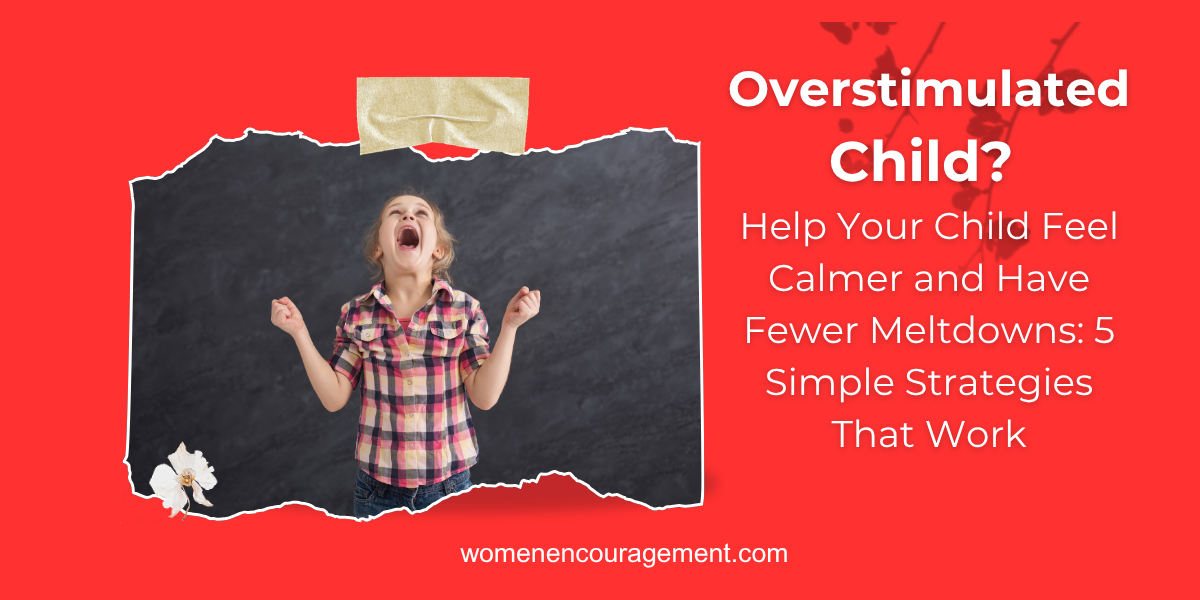
  • Overstimulated Child?

    Overstimulated Child?

    Help Your Child Feel Calmer and Have Fewer Meltdowns: 5 Simple Strategies That Work

    Overstimulated? Have you ever watched your child completely melt down over something that seemed small?

    The wrong color cup. A tag in a shirt. Changes in plans. Too loud room. A sibling breathing too loudly. If so, you’re not alone. These can all be overstimulating.

    As a mom of three children on the autism spectrum, I’ve learned something important over the years:

    A meltdown is often the end of a struggle you never got to see.

    Many children today are dealing with more stimulation than ever before. Noise, screens, schedules, social demands, bright lights, transitions, and constant activity can leave their little nervous systems feeling overwhelmed.

    Here are 5 Signs Your Child is Overstimulated.

    1. They Become Irritable Over Small Things
    2. They Start Seeking More Control
    3. Increased Noise Sensitivity
    4. Emotional Reactions Become Bigger
    5. They Withdraw or Shut Down

    The good news? There are practical things we can do to help.

    1. Watch for the Early Warning Signs

    Overstimulation: Most meltdowns don’t come out of nowhere.

    They build.

    Your child may become:

    • Irritable
    • Extra emotional
    • Restless
    • Withdrawn
    • Sensitive to noise or touch

    Learning your child’s early warning signs can help you intervene before they reach their breaking point. This may intercept a meltdown. Addressing overstimulation before it hits the fan. Intercepting being overstimulated before it is full meltdown mode is so rewarding for the whole family.

    Zinger: Behavior is communication before it’s a problem.

    Info graphic: 5 Ways to Calm an Angry Child

    2. Create Calm Spaces

    Every child needs a place to decompress.

    This doesn’t need to be fancy. They may include:

    Bean bag.

    Blanket.

    Favorite stuffed animal.

    Quiet corner.

    Diffuser with calming oils.

    Think of it as an emotional charging station. Children often regulate better when they have a safe place to reset. This can be such a game changer for an overstimulated child.

    Zinger: Even little people need space to breathe.


    3. Reduce Sensory Overload

    Sometimes what looks like bad behavior is actually an overwhelmed nervous system.

    Consider:

    • Lowering background noise
    • Reducing screen time
    • Building quiet breaks into the day
    • Avoiding overscheduling
    • Using noise cancelling headphones
    • Rubbing essential oils on wrists or chests before going into overstimulating areas

    The goal isn’t to eliminate life, it’s to create enough margin for recovery. An overstimulated child may find a calm down area so refreshing.

    Zinger: An overwhelmed nervous system often looks like bad behavior.


    4. Prioritize Sleep

    Sleep affects everything.

    Mood.

    Focus.

    Emotions.

    Patience.

    When children are tired, even small frustrations can feel huge. One of the best investments you can make is creating a predictable bedtime routine. Children thrive when they know what comes next.

    Our ABA therapist suggested I use first and then with my children. This went like, “First, we put shoes on, then we go outside.” First, we get in the car, then you get your water cup.” Etc. This strategy made life feel more tolerable and easier to manage.

    Overstimulated children do best with structure.

    Zinger: A tired child often fights sleep the hardest.


    5. Connect Before You Correct

    This may be the most important tip of all.

    When emotions are high, lectures rarely work.

    What children often need first is connection.

    A hug with a calm voice. Then, a reminder that they’re safe. Once they’re regulated, then we can teach.

    Zinger: Connection opens doors that correction can’t.

    The truth of the matter is that children behave better when they feel understood. When children are overstimulated they may not even understand their behavior at that time. These children tend to go into fight or flight mode in this arroused state.


    A Few Things That Helped Our Family

    Every child is different, but some of the things we found helpful included:

    • Consistent routines
    • Earlier bedtimes
    • Reduced sensory overload
    • Quiet time throughout the day
    • Calming bedtime rituals
    • Visual Schedules

    Some families also enjoy incorporating plant-based wellness products into their evening routine.

    Products

    Young Living Products for this occasion

    Products that helped us with overstimulation include:

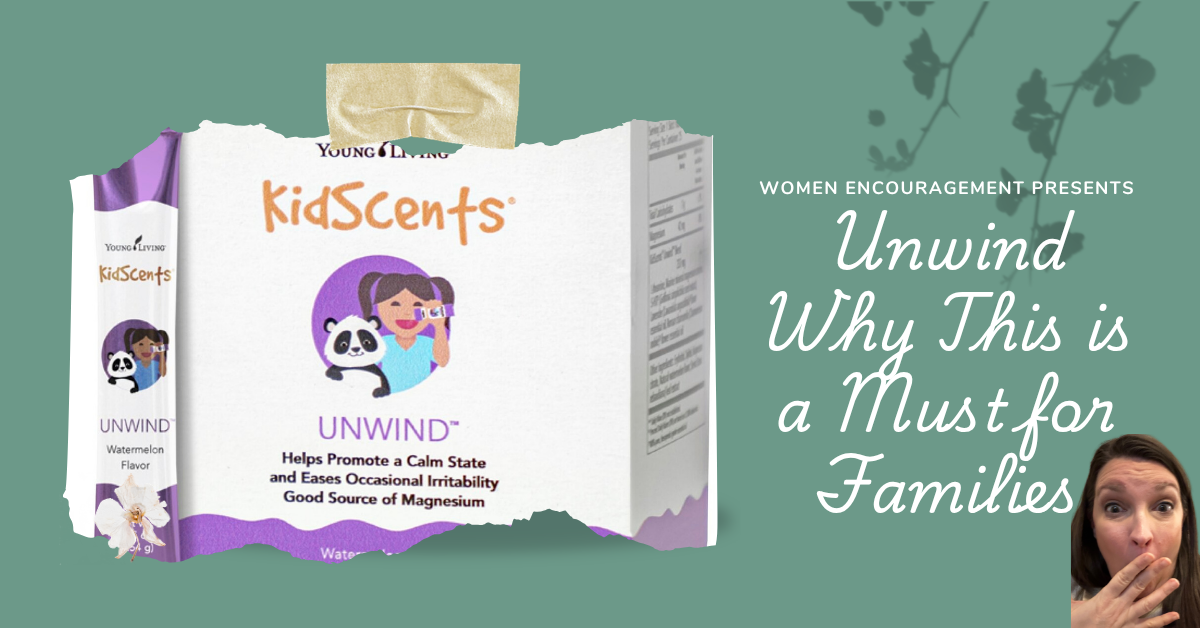
    Young Living’s Unwind for bed time or after a hard day at school.

    Box of Unwind Pixie type sticks

    Another huge help is Kidscents Sleepyze. My kids appear more rested and grounded when I’ve been able to apply this to their feet or have it in their diffusers over night.

    sleepyze oil blend for children (I use it too)

    Kid Power is another essential oil blend made for children. I use it myself for its grounding, hopeful scent. A friend has his children apply it to their chests when he sees them getting grumpy. He states that it pulls the kids right back around in a better state of being.

    Kidpower essential oil blend info graphic

    Another tried and true oil blend is Peace and Calming. If we’ve had big emotions, I throw this in the diffuser. It is such a “light” scent, the kids never notice. However, it sure changes the atmosphere.

    Peace and calming is nice at night for sleeping as well. This one is not specifically diluted for children as the others are.

    Peace and calming oil blend.

    These products aren’t a substitute for healthy routines, but they can be a nice addition to a calming evening ritual.


    Final Thoughts

    If your child gets overstimulated easily, please hear this:

    Some children simply experience the world more intensely than others.

    The goal isn’t to make them less sensitive.

    The goal is to help them feel safe, understood, and equipped to navigate those big feelings.

    Because sometimes a meltdown isn’t defiance.

    It’s a nervous system asking for help.

    Free Gift

    If bedtime is one of the hardest parts of your day, I’ve created a free guide called:

    “The Nighttime Routine for Neurospicy Kids”

    Inside, I’ll walk you through simple strategies that helped our family create calmer evenings, smoother transitions, and better sleep.

    Because every child deserves a peaceful place to land at the end of the day.

    A woman reading to her daughter during a relaxing evening routine
    Take the dread out of going to bed with this free E Book to help make going to sleep way better.

    For more on this topic, check out this post: Conquering Bedtime Procrastination. Have fun. I bet you smile reading that one.

  • Unwind: A Gentle Bedtime Routine for Kids and Moms

    Unwind: A Gentle Bedtime Routine for Kids and Moms

    Unwind at Bedtime. This can feel like the hardest part of the day. With four kids, I used to dread bed time because it included some of our worst behavior. That is, until I found an iron clad way to do without the chaos.

    By evening, everyone is tired, overstimulated, and somehow still not ready to settle down. The lights are on, the energy is high, and your peaceful nighttime routine can start to feel more like wrestling caffeinated squirrels. If that sounds familiar, you are not doing anything wrong. Many families need simple, calming support to help the day come to a gentler close.

    That is whyย Young Living KidScents Unwindย has become one of those products many families keep nearby for evenings that feel extra busy. Young Living describes it as a supplement formulated for children to help promote a calm and relaxed state, reduce restlessness, and help with occasional sleeplessness. Its official product materials highlightย L-theanine, 5-HTP, and magnesium, and say it is intended for children ages 4 and older.

    And while it was designed for kids, I will tell you honestly that I have used it myself when I wake up in the night and cannot quite settle back down. For me, it has been one of those โ€œlights outโ€ supports that fits beautifully into a calm nighttime rhythm.

    Why bedtime feels so hard sometimes

    If you have ever wondered why bedtime can spiral so quickly, you are not alone. Kids carry a lot by the end of the day. School, activities, screens, emotions, noise, sugar, transitions, and plain old tiredness can all pile up. Even good days can end with wound-up energy.

    That is why bedtime often needs more than one command to โ€œgo to sleep.โ€ It usually works better when you create a rhythm that helps the body and mind slow down.

    And that is where you become the hero of your home.

    Not because you make bedtime perfect, but because you create calmer patterns. You notice what helps. You choose gentle tools. You build a nighttime routine that supports peace instead of pressure.

    What is Young Living Unwind?

    Young Living KidScents Unwindย is a supplement in single-serve powder stick packs. Young Living says it is formulated to help promote a calm state, reduce restlessness, help with occasional sleeplessness, and support focus and mental clarity.

    I originally bought it for those times when my kids have high anxiety and can’t seem to catch their breath. One of my kids completely loves this product, including the watermelon flavor. He says he can go to sleep after taking this.

    The featured ingredients Young Living highlights are:

    • L-theanine
    • 5-HTP
    • Magnesium

    That makes it appealing for families who want a gentle bedtime support option that is not centered on melatonin.

    What makes Young Living Unwind stand out?

    What I like about Unwind is that it fits into a routine instead of trying to replace one. And it is not more pills! Yay!

    It feels like a โ€œhelp the evening go betterโ€ product, not a โ€œforce sleep nowโ€ product. That difference matters. A lot of moms are not looking for something harsh. They are looking for something that supports the kind of bedtime they are already trying to create: calmer lights, calmer voices, calmer bodies, calmer evenings.

    Young Living positions Unwind for children ages 4+ and describes it as helping promote calm and relaxation while supporting occasional sleeplessness and restlessness.

    That is exactly the kind of wording I think makes sense for bedtime content too. We are not talking about perfection. We are talking about support.

    A closer look at the key ingredients in Unwind

    L-theanine

    Young Living says L-theanine occurs naturally in green tea and helps promote relaxation while helping ease occasional irritability. The company also says it may support next-day focus and mental clarity.

    5-HTP

    According to Young Livingโ€™s product information, 5-HTP works synergistically with L-theanine to promote a calm state and assists in relieving occasional stress.

    Magnesium

    Young Living says magnesium is involved in hundreds of metabolic reactions in the body and may help support a sense of calm and help with occasional sleeplessness.

    How I would frame Unwind for bedtime routines

    If bedtime has been feeling chaotic, Unwind does not have to be the whole plan. It can simply be one helpful part of it.

    Think of it like this: you are not trying to win bedtime with one magic trick. You are building a softer landing at the end of the day.

    That might include:

    • dimming the lights
    • turning off overstimulating screens
    • keeping conversation quieter
    • using a consistent bedtime sequence
    • adding Unwind as part of that routine

    That is where this product makes the most sense to me. It belongs inside a gentle rhythm.

    My personal take on Unwind

    This is the part I would share honestly because personal experience matters.

    Unwind was designed for children, and I think it makes sense to keep that clear. But in my own life, I have used it when I wake up in the middle of the night and feel too alert to drift back off. For me, it has been one of those products that helps the night get quiet again.

    That is not a promise for everyone. It is simply my experience.

    And that is one reason I like it so much. It feels like something supportive to keep in the house, especially for families who want their evenings to feel less frantic and more peaceful.

    A simple nighttime routine to tame bedtime madness

    If you want bedtime to feel calmer, simpler, and less dramatic, here is a gentle routine to try:

    1. Lower the stimulation

    About 30 to 60 minutes before bed, start shifting the atmosphere. Turn lights down. Lower the noise. Help the evening feel different from the daytime pace.

    2. Keep the routine predictable

    Kids often settle better when bedtime happens in the same order each night. Bath, pajamas, brushing teeth, story, prayer, cuddle, bed. The exact steps matter less than the consistency.

    3. Use supportive tools, not pressure

    When evenings are especially restless, Unwind can be one supportive part of the routine. Young Living says it is formulated to help promote calm, reduce restlessness, and help with occasional sleeplessness.

    4. Make the room feel peaceful

    A cool room, soft blankets, low lighting, and less visual clutter can help bedtime feel calmer.

    5. Stay calm yourself

    This one is hard, but important. Children often borrow our nervous system. If bedtime feels tense, slowing your own tone and pace can make a bigger difference than you think.

    Who might like Unwind?

    This kind of product may appeal to:

    • families who want a calmer bedtime routine
    • parents of children who seem wound up at the end of the day
    • moms looking for a gentle nighttime support option to keep in the house
    • women who prefer a melatonin-free bedtime support category for their family routine

    Important notes before using Unwind

    Young Livingโ€™s product information says KidScents Unwind is for children 4 years and older. The label also advises checking with a healthcare professional if pregnant, nursing, taking medication, or managing a medical condition.

    This blog post is for educational purposes and personal sharing. It is not medical advice.

    Why this matters more than just one product

    The real goal is not just getting through one bedtime.

    The goal is helping your home feel calmer at night.

    When you create a bedtime rhythm that works, even imperfectly, you are doing something powerful. You are shaping the tone of your evenings. You are helping tired bodies and busy minds settle down. You are making nighttime feel safer, softer, and simpler.

    That is why I think products like Unwind can be so helpful. Not because they do everything, but because they support the kind of nighttime routine so many families are trying to build.

    Want a calmer night?

    If you are ready to make bedtime feel simpler and more peaceful, I created something just for you.

    Download my Free Nighttime Routine for gentle, practical steps to help you create a calmer evening rhythm for yourself or your family.

    Download My Free Nighttime Routine

    PS If you are an adult, please don’t feel left out. Click here for some products that help even the grown ups sleep better.

    For more along these lines, check out my post for Solving Kid’s Procrastination at Bedtime.

    Reach out with any questions. I genuinely love to find the root causes of symptoms, and how to support each person’s body right where they are. I hope to hear from you soon!

  • Conquering Bedtime Procrastination: Tips for Parents

    Conquering Bedtime Procrastination: Tips for Parents

    Bedtime Procrastinator: Master Level

    I need to make a confession.

    As a child, I was an Olympic-level bedtime procrastinator.

    I had tactics. Strategies. Advanced negotiation skills.

    My personal favorite was spotting a tiny spider or dust bunny in the corner of the ceiling and screaming like the house was on fire.

    Suddenly I had all the attention I could ever want, although it was negative in nature.

    Bedtime Procrastinators at Your House?

    Do you have any of these creative, mischievous littles in your castle? Let me jog your memory:

    • water
    • needs to use the bathroom for the 8th time in 5 minutes…
    • another hug
    • another blanket
    • a stuffed animal they haven’t seen in ten years – slight exaggeration
    • the need to pray for children in Asia
    • a story
    • deep life questions, ALL of these ONLY happen after laying down in bed… anyone else?

    If kids put the same energy into school that they put into avoiding bedtime, weโ€™d have a nation of child geniuses.

    Bedtime Procrastinators: The Motive

    Possible reasons:

    โ€ข they donโ€™t want the day to end
    โ€ข they want more connection time
    โ€ข theyโ€™re overtired
    โ€ข the routine is unpredictable

    I’ve personally thought it is mostly fear of missing out and separation anxiety. But who am I?

    Bedtime Procrastination Solutions

    When my kids were younger, bedtime sometimes felt like negotiating with tiny caffeinated kittens.

    What helped the most wasnโ€™t being stricter. ย It was having aย predictable nighttime rhythm.

    And what finally brought the most peace? This may be a wet blanket on your hope, but… the biggest relief was when I decided to lay in the kid’s rooms until they fell asleep. Otherwise, I got more steps in after 8:30pm, then I did all day. (True story). Think massive trips with said items in hand over and over again.

    These things did help:

    โ€ข bath
    โ€ข quiet time
    โ€ข reading
    โ€ข lights out routine

    But what really brought peace is when I’d lay on their floors and read my grown up books silently, or catch up on emails. My presence helped them relax much quicker with so much less chaos. (Sorry, not sorry – it’s the truth).

    Free (my favorite F word), Procrastinator Deciminator…

    After going through years of bedtime chaos, I eventually wrote down the routine that helped our house settle down in the evenings.

    I turned it into a little guide for other tired parents.

    If you have a bedtime procrastinator in your house and want the routine, you can grab the guide here. (Although, I left out laying in their rooms until the “knock out moment”).

    You can grab your free Peaceful Routine Sleep Guide Here. Thanks for stopping by today. Please share your kids procrastination schemes. It would help us all to take a break and giggle. We sure get creative when we want to avoid stuff.

    Thanks for stopping by.

    Restful Essential Oils – download the pdf here, free for you…

    Favorite Products to Help Sleep.pdf – the exact items I use to herd my kittens, I mean four children ๐Ÿ˜‚

    PS For more parent sanity, check out this post.

Free E Book Cover
Join Legacy Builders Like You - Let's Be Healthy and Wealthy Together!

DOWNLOAD MY FREE
EBOOK

11 Streams of income working from home – A FREE guide to give you so many options to begin to Build Your Empire and Fund Your Freedom!