Category: Pet Care

  • How Can You Freshen a Home With Pets Naturally?

    How Can You Freshen a Home With Pets Naturally?

    Freshen a Home

    Living with pets brings love, companionship and joy. To freshen a home with pets can feel impossible at times, despite all of the love and joy.

    It can also bring fur on the furniture, mysterious carpet spots and the occasional smell that makes you wonder whether something crawled behind the couch and died.

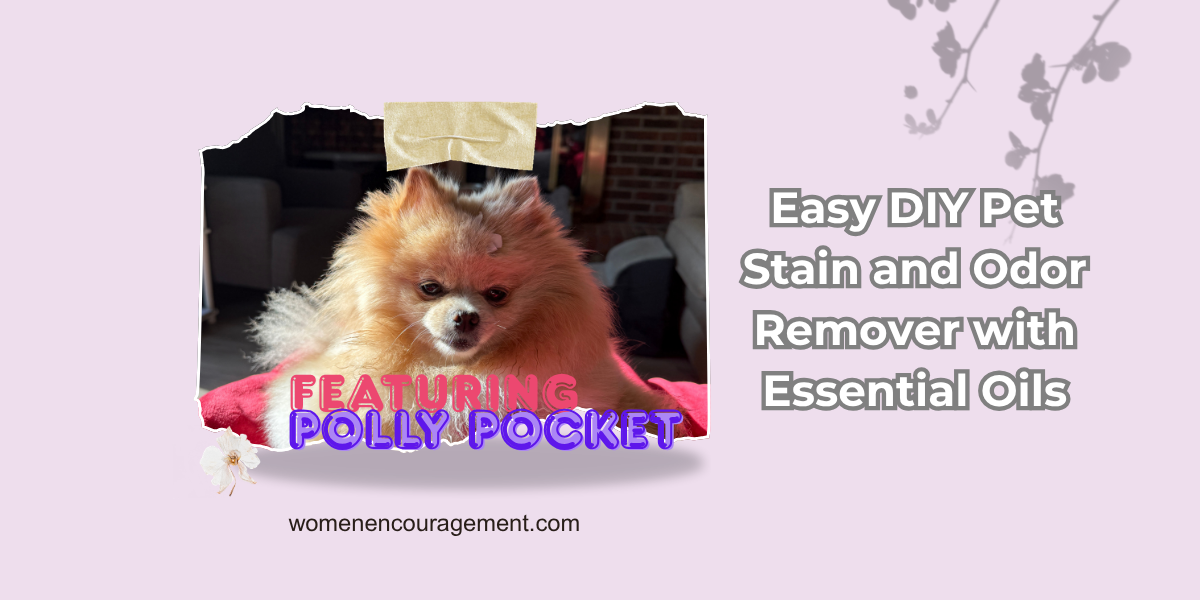
    My toy Pomeranian, Polly Pocket, is approximately six pounds of fluff. Yet she can distribute enough fur to suggest that I own several large dogs.

    Freshen Home

    Fortunately, keeping a pet home fresh does not require filling every room with heavy artificial fragrance. The best approach is to remove the source of the odor first and add fragrance carefully—if you use it at all.

    1. Begin With the Source of the Smell

    To really freshen a home, before reaching for a room spray, look for the actual cause of the odor.

    Check:

    • Pet beds and blankets
    • Carpets and rugs
    • Upholstered furniture
    • Food and water bowls
    • Collars and harnesses
    • Favorite hiding places
    • The suspicious corner Polly insists she knows nothing about
    • Rotten potatoes or fruit
    • Garbage that needs taken out

    Covering an odor without cleaning its source is like putting perfume on a dirty sock. Now you simply have a dirty sock that smells like vanilla and sweat (yuck!).

    2. Wash Pet Bedding Regularly

    To Freshen a home wash pet bedding holds fur, saliva, dirt and body oils.

    Follow the manufacturer’s washing directions. Choose an unscented or lightly scented detergent when possible, rinse everything thoroughly and make sure the bedding is completely dry before returning it to your pet.

    The ASPCA recommends washing a dog’s bedding frequently to help keep its resting area clean.

    If you use Young Living Thieves Laundry Soap, follow the current product label. Dogs with sensitive skin or fragrance sensitivities may benefit from an additional rinse.

    3. Vacuum the Places Fur Likes to Hide

    Vacuum carpets, rugs, furniture and baseboards regularly. Pay special attention to the places where your pet sleeps.

    A rubber pet-hair tool or slightly damp reusable cloth can help collect fur from upholstered furniture.

    Polly Pocket considers shedding a decorating style. I consider the vacuum cleaner my support animal.

    4. Treat Pet Accidents Promptly

    To freshen a home, clean recent accidents instead of rubbing them deeper into the carpet. Then use a cleaner made for that particular surface.

    An enzymatic pet cleaner can help break down the substances that create lingering urine odors. Follow the product directions and test it on a hidden area first.

    For other appropriate household surfaces, I use Thieves Household Cleaner diluted according to the current label.

    When I clean around Polly Pocket, I:

    • Keep her out of the room while I clean.
    • Provide fresh airflow (turn on vented fans)
    • Prevent her from walking across or licking wet surfaces.
    • Wait until everything is completely dry before she returns.
    • Store the concentrated cleaner where curious paws cannot reach it.

    Never spray household cleaner directly on your pet, her bedding, toys, food or water bowls unless the product label specifically allows that use.

    Also, never mix cleaning products. Certain combinations can release dangerous fumes—and no odor problem needs that kind of plot twist.

    5. Let Fresh Air Do Some Work

    To freshen a home, when the weather allows, open a few windows or doors to improve airflow.

    You can also run exhaust fans or use an air purifier with an appropriate filter. Clean or replace the filter according to the manufacturer’s directions.

    A filter packed with pet hair is not working at its best. It is simply storing a small replica of your dog.

    6. Clean the Small Things

    To freshen a home, sometimes the pet is not the smelly culprit. It is the pet’s belongings.

    Regularly clean:

    • Food and water bowls
    • Washable toys
    • Crate trays
    • Leashes and harnesses (Polly’s harness gets stinky fast).
    • Grooming tools
    • Food-storage containers
    Freshen

    Dispose of old treats and inspect toys that remain suspiciously damp after being chewed.

    Yes, I know your dog loves that ancient stuffed squirrel. The squirrel may now qualify as a biological event.

    Freshen

    7. Use Aromatic Products Carefully

    “Natural” does not automatically mean safe for every animal.

    Concentrated essential oils can cause problems if pets swallow them, walk through spills or get the oils on their coats. The ASPCA Animal Poison Control Center advises against directly applying concentrated essential oils to pets.

    If you use a diffuser or aromatic household product:

    • Ask your veterinarian whether it is appropriate for your pet.
    • Follow the current product label.
    • Use it in a well-ventilated room.
    • Keep the diffuser where it cannot be knocked over.
    • Make sure your dog can leave the room.
    • Diffuse for short periods rather than continuously.
    • Stop if your pet coughs, drools, vomits, becomes unsteady or acts unusually.

    Extra caution is needed around cats, birds, young animals, older pets and animals with breathing problems.

    What About Diffusing Animal Scents T-Away?

    Young Living Animal Scents T-Away is an animal-formulated aromatic blend intended for emotional support. It is not an odor remover or household cleaner.

    Some pet owners choose to use T-Away as one optional part of a dog’s calming routine. Ask your veterinarian whether it is appropriate for your dog.

    If you receive veterinary approval:

    • Follow the current label exactly.
    • Begin with the smallest label-directed amount.
    • Diffuse for a short period.
    • Provide good ventilation.
    • Allow your dog to leave the room freely.
    • Stop if your dog appears uncomfortable.

    Aromatic products should never replace behavioral support or veterinary treatment for anxiety.

    For additional calming ideas, read: [How Do You Calm a Nervous Dog? Try This Simple Routine]

    A Fresh Pet Home Does Not Need to Smell Strong

    A truly fresh home usually smells like…not much of anything.

    Removing fur, washing bedding, cleaning accidents and improving airflow should come before adding fragrance. A light, clean home is more comfortable for people and for pets whose sense of smell is far stronger than ours.

    After all, Polly Pocket does not need the house to smell like an enchanted lavender forest.

    She needs a clean blanket, a safe toy and uninterrupted access to whichever chair I was planning to use.

    Download the Free Pet-Friendly Fresh Home Cheat Sheet

    Want a fresher home without treating your pets like tiny chemical test subjects?

    Download my free Pet-Friendly Fresh Home Cheat Sheet for simple cleaning reminders, odor-control ideas and important precautions to consider around your animals.

    [GET THE FREE CHEAT SHEET]

    Curious about the household products I use around Polly Pocket?

    [SEE MY PET-CONSCIOUS HOME FAVORITES]

    For more on pets from a natural perspective, check out this post for a DIY stain remover.

    This article is for educational purposes only. It is not intended to diagnose or treat an animal or replace advice from your veterinarian. If you believe your pet has been exposed to a potentially harmful substance, contact your veterinarian or animal poison control immediately.
  • How Do You Calm a Nervous Dog? Try This Simple Calming Routine

    How Do You Calm a Nervous Dog? Try This Simple Calming Routine

    Nervous Dog

    Some dogs hear thunder and barely lift an eyebrow. Other dogs hear one tiny rumble and assume the sky is throwing furniture.

    My toy Pomeranian, Polly Pocket, may be small, but her opinions about suspicious noises are approximately the size of Texas.

    Dogs can become nervous during thunderstorms, fireworks, car rides, separation, household changes, or visits from unfamiliar people. You may notice trembling, panting, pacing, hiding, barking, drooling, or attempts to escape.

    You cannot explain to your dog that the storm will pass. However, you can create a predictable calming routine that helps your dog feel safer.

    Nervous Dog

    The Nervous Dog Plan

    1. Begin Before Your Dog Is Panicking

    A calming routine works best when it begins at the first sign of nervousness—or even before the stressful event starts.

    If storms are predicted, prepare the room and gather your supplies early. Do not wait until your dog is running through the house like a fuzzy emergency siren.

    Watch for early signs such as:

    • Pacing or following you closely
    • Ears held back
    • Lip licking or yawning
    • Trembling
    • Panting when it is not hot
    • Looking for somewhere to hide
    • Refusing treats
    Nervous dog

    Fear, anxiety, and noise phobias can produce overlapping behaviors. Severe noise phobia may cause panic or escape attempts, according to the Merck Veterinary Manual.

    2. Create a Comfortable Safe Space

    Choose a quiet interior room, covered crate, closet, or familiar corner where your dog already likes to rest.

    Add a few comforting items:

    • A favorite bed or blanket
    • A familiar toy
    • Fresh water
    • A fan or white-noise machine
    • Soft music
    • Closed curtains to reduce flashes of lightning

    Allow your dog to enter and leave the space freely. Never force a frightened dog into a crate or pull one out of a hiding place unless the location is unsafe.

    The goal is to give your dog a retreat—not put her in puppy jail for having feelings. Polly’s favorite calm spot is behind a toilet. Sigh.

    3. Stay Calm and Keep Things Predictable

    The nervous dog pays close attention to our voices, movements, and routines. Sit nearby if your dog wants company. Speak normally and move calmly.

    It is fine to offer quiet reassurance. You do not have to ignore a frightened dog to keep from “rewarding” fear. Fear is an emotional response, not a trick your dog performs to earn extra snuggles.

    Avoid yelling, scolding, or physically correcting nervous behavior. Punishment can increase fear and make the next stressful event even harder.

    4. Offer a Calming Activity

    If your nervous dog is willing to eat, try a familiar chew, food puzzle, or lick mat. Sometimes a kong filled with frozen chunky peanut butter does a nice job (just trying to help).

    Licking, sniffing, and chewing can give a mildly nervous dog something else to do. A favorite treat may also help your dog form a more positive association with distant noises.

    Do not force food on a dog that is too frightened to eat. Polly Pocket turning down a snack would be my signal that we have officially entered serious territory.

    5. Consider a ThunderShirt or Other Pressure Wrap

    A nervous dog may benefit from a ThunderShirt—or what many people call a thunder vest—is a snug garment designed to provide gentle, steady pressure around a dog’s body.

    Some dogs appear more settled while wearing one. Other dogs show little improvement. Research on pressure wraps is still limited, so think of the vest as one possible tool rather than a guaranteed cure.

    For the best experience:

    • Introduce the vest when your dog is already calm.
    • Pair it with treats and praise.
    • Make sure it is snug but not restrictive.
    • Follow the manufacturer’s fitting instructions.
    • Supervise your dog while it is being worn.
    • Remove it if your dog becomes hotter, more agitated, or uncomfortable.

    Do not wait until the loudest thunderclap in recorded history to introduce a strange new outfit. Let your dog investigate and wear it briefly on an ordinary day first.

    A word of caution: don’t keep a dog in the thunder vest for hours on end, unless completely necessary. If pressure vests are worn too long, they can lose their effectiveness. Error on the side of caution with the duration of wearing pressure garments for nervous dogs.

    6. Be Conservative With Aromatic Products

    A nervous dog might enjoy a pet-formulated aromatic product may be one optional part of your dog’s routine, but essential oils should not be presented as a treatment for canine anxiety.

    Concentrated essential oils can harm pets if they are swallowed, spilled on the coat, or applied incorrectly. The ASPCA Animal Poison Control Center recommends avoiding the direct application of concentrated essential oils to pets.

    If you are considering a Young Living Animal Scents product:

    • Ask your veterinarian whether it is appropriate for your dog.
    • Follow the current product label exactly.
    • Never substitute a homemade recipe for veterinary treatment.
    • Keep bottles and diffusers out of reach.
    • Use aromatic products in a ventilated area.
    • Make sure your dog can leave the area.
    • Stop using the product if your dog appears uncomfortable.

    Extra caution is needed around cats, birds, very young animals, older pets, and animals with breathing problems or other medical conditions.

    Natural does not automatically mean harmless. Poison ivy is natural, too, and nobody is inviting it to spa night.

    I use Pet Scents T Away and love it for Polly. This combined with the Thunder Vest helps immensely. She doesn’t have nervous poops. #progress

    7. Practice the Routine on Calm Days

    Do not reserve the safe space, calming music, vest, and special chew only for frightening events. A nervous dog will appreciate a practice round.

    Practice the routine when the house is peaceful. This helps your nervous dog connect those items with rest and good experiences instead of thinking, “Oh no. Mom brought out the special blanket. The world must be ending.”

    Dogs with ongoing fears may benefit from gradual desensitization and counterconditioning. This work should happen slowly and, ideally, with guidance from a veterinarian or qualified reward-based behavior professional.

    When Should You Call Your Veterinarian?

    Schedule a veterinary appointment if your dog’s nervous behavior:

    • Begins suddenly
    • Is becoming more intense
    • Causes destructive escape attempts
    • Includes aggression or self-injury
    • Prevents eating, sleeping, or normal activity
    • Does not improve with basic environmental support
    Nervous dog

    Pain and medical problems can sometimes cause behavioral changes. A veterinarian can rule those out and discuss behavior therapy, medication, or a referral to a veterinary behavior specialist.

    Medication is not a failure. For a dog experiencing true panic, it may be the most compassionate part of the plan.

    Nervous Dog Pinterest Pin

    Your Nervous Dog’s Calming Routine

    Every dog is different. Your routine might include:

    1. Starting before the stressful event
    2. Moving to a familiar safe space
    3. Closing the curtains and reducing noise
    4. Offering a favorite chew or lick mat
    5. Putting on a properly fitted pressure vest
    6. Using only veterinarian-approved, pet-formulated aromatic products
    7. Staying nearby and behaving calmly
    8. Contacting your veterinarian when your dog needs more support

    The goal is not to create a dog who never feels nervous. It is to give your dog consistent signals that say, “You are safe, and I am here.”

    Even if your dog is six pounds of fluff who believes she is personally responsible for protecting the entire neighborhood.

    Download the Free Calm Dog Routine Checklist

    Nervous Dog Routine

    Do not wait for the next storm to remember what worked.

    Download my free Calm Dog Routine Checklist and keep your dog’s safe-space plan, favorite calming tools, veterinary information, and storm supplies together in one convenient place.

    [GET THE FREE CHECKLIST]

    Curious about Young Living’s pet-formulated products? Send me a message. I’ll help you find the current product information and questions to discuss with your veterinarian—without pretending one bottle can magically solve every problem.

    For more about pets, check out THIS POST, for DIY stain remover.

    This article is for educational purposes only. It is not intended to diagnose or treat an animal or replace advice from your veterinarian. Contact your veterinarian or an animal poison-control service if you believe your pet has been exposed to a potentially harmful substance.

  • Easy DIY Odor Remover with 3 Essential Oils

    Easy DIY Odor Remover with 3 Essential Oils

    Plant Based Odor Remover: DIY

    Living with a pet means unconditional love, loyal companionship and occasionally asking:

    “What is that smell?”

    My toy Pomeranian, Polly Pocket, is tiny, adorable and completely incapable of wrongdoing—according to Polly Pocket. Unfortunately, the carpet occasionally presents conflicting evidence.

    Whether you have a new puppy, a senior dog or one furry family member with questionable bathroom decisions, it helps to have an easy pet stain and odor remover ready to go.

    This DIY recipe uses simple household ingredients and Young Living essential oils to help freshen carpet after a pet accident.

    Plant Based Odor Remover: DIY

    DIY Pet Stain and Odor Remover Recipe

    This recipe is adapted from the official Young Living DIY Pet Stain and Odor Remover.

    Ingredients

    Pet Stain Remover

    How to Clean a Fresh Pet Stain

    1. Combine the essential oils and salt in a small container.
    2. Pour the mixture into your spray bottle.
    3. Add the apple cider vinegar and water.
    4. Close the bottle and mix thoroughly until the salt dissolves.
    5. Blot the accident with an old towel to remove as much moisture as possible. Do not scrub—it can push the mess deeper into the carpet.
    6. Shake the bottle and spray the stained area until it is wet.
    7. Allow the mixture to sit for 10–15 minutes.
    8. Blot the area again until you have removed as much moisture as possible.

    Let the carpet air-dry completely. Young Living advises against using heat because heat may set the stain and odor.

    What About an Older Pet Stain?

    Plant Based Odor Remover: DIY

    That mysterious spot Polly insists has “always been there” may need additional help.

    Follow the same directions, but after spraying the area:

    1. Cover the damp spot with baking soda.
    2. Leave it for approximately 24 hours or until completely dry.
    3. Scoop up and discard as much baking soda as possible.
    4. Vacuum the remaining powder thoroughly.

    Keep children and pets away from the area while the mixture is wet and while the baking soda is sitting on the carpet.

    Odor Remover

    Why Use Purification Essential Oil Blend?

    Purification has a fresh, clean aroma that makes it popular for household freshening. The blend contains Citronella, Lavandin, Lemongrass, Rosemary, Myrtle and Tea Tree essential oils.

    I love using products that make a room smell fresh without giving it the unmistakable fragrance of:

    “A pet had an incident and I dumped half a bottle of artificial flower perfume on it.”

    You know that smell. Now the room smells like dog pee attended a garden party.

    Odor Remover

    Important Pet-Safety Tips

    Although this recipe is made for cleaning up after pets, it is not a spray for your pet’s body.

    • Never spray it directly on your dog or cat.
    • Keep pets away from the treated area until it is completely dry.
    • Do not allow pets to lick the wet carpet or cleaning solution.
    • Test the mixture on a hidden part of the carpet first.
    • Do not use it on a surface when the manufacturer warns against vinegar, water or essential oils.
    • Provide good ventilation while cleaning.
    • Store the bottle and essential oils where children and pets cannot reach them.
    • Ask your veterinarian before using essential-oil products in a home with cats, birds, very young animals or pets with breathing problems or other medical conditions.

    If your pet develops coughing, drooling, vomiting, weakness, difficulty breathing or unusual behavior after possible exposure, move the animal away from the product and contact your veterinarian or an animal poison-control service.

    For repeated urine stains, you may need a pet-specific enzymatic cleaner. Enzymes are designed to break down components of urine that an ordinary surface cleaner may leave behind. (I left a link in an enzyme cleaner I have used and loved for the worst stains).

    And if accidents suddenly become frequent, schedule a veterinary appointment. A change in bathroom habits can sometimes signal a health or behavioral problem—not a sudden decision to redecorate your carpet.

    A Fresher Home Can Still Be a Pet-Friendly Home

    Our pets live real life with us. I hope this plant based odor remover recipe helps.

    They track in mud. They shed. They find the one clean rug in the house and make a questionable choice. Then they look at us as though we should be grateful for the opportunity to clean.

    Fortunately, a little preparation can make pet messes much less stressful. Keep your DIY plant based pet stain remover ready, clean accidents promptly and enjoy the four-legged family members who make life messier—and much more fun.

    Even when Polly Pocket pleads not guilty.

    Call to Action

    Would you like to try Purification, Lemon or other Young Living products in your home?

    I made a cart just for you: HERE!

    Follow me for more simple ways to create a fresh, comfortable home for the people—and pets—you love.

    For more about raising pets naturally, check out my post about Calm Pets Over the 4th of July.

    Polly Pocket, seen below thanks you for reading today and urges you to come back soon!

Free E Book Cover
Join Legacy Builders Like You - Let's Be Healthy and Wealthy Together!

DOWNLOAD MY FREE
EBOOK

11 Streams of income working from home – A FREE guide to give you so many options to begin to Build Your Empire and Fund Your Freedom!