Category: Parenting

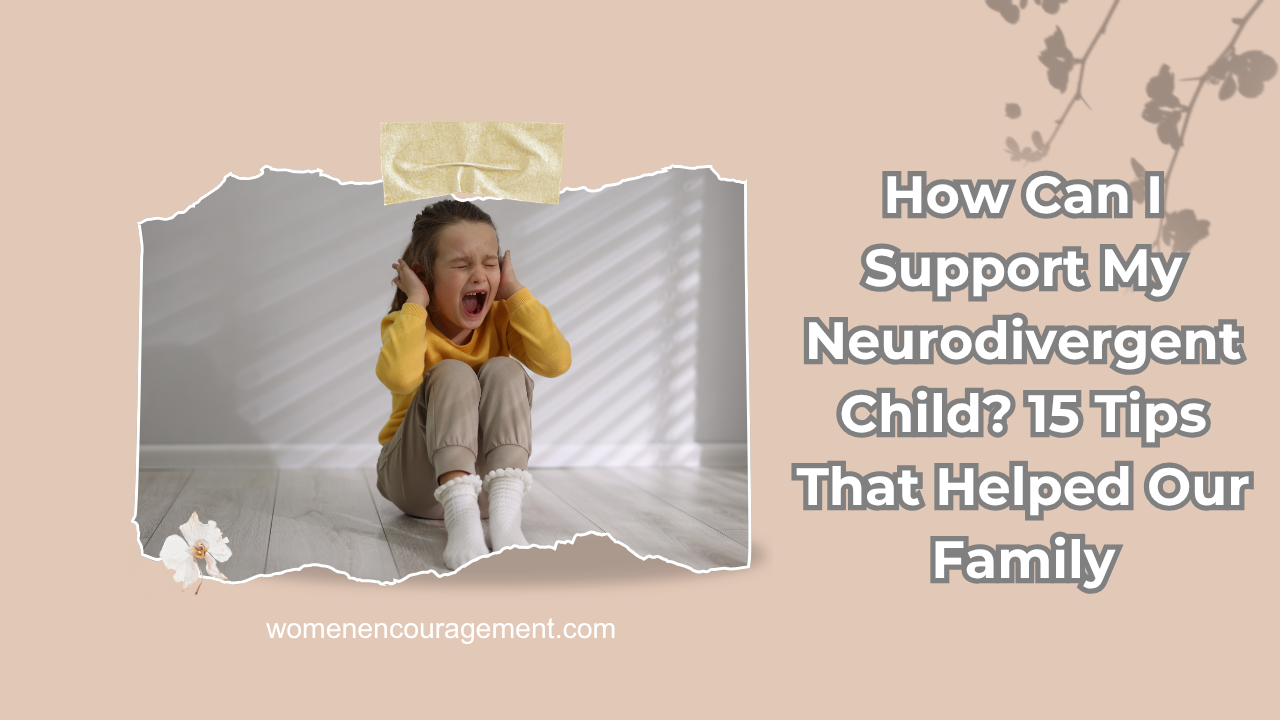
  • How Can I Support My Neurodivergent Child? 15 Tips That Helped Our Family

    How Can I Support My Neurodivergent Child? 15 Tips That Helped Our Family

    If Your Child Was Just Diagnosed Neurodivergent, Let Me Give You a Hug.

    I remember sitting exactly where you may be today. Overwhelmed. Scared. Wondering if I was doing enough.

    As the mom of three incredible children with autism, I spent years searching for ways to help my kids thrive. I wasn’t looking for a miracle. I was looking for practical ideas that could make everyday life just a little easier.

    Neurodivergent Child

    I typed questions into Google like:

    • “How can I help my autistic child naturally?”
    • “What reduces meltdowns?”
    • “How can I get my kids to eat more?”
    • “What helps neurodivergent children sleep better?”
    • “How can I create a calmer home?”
    • “What do “safe” places look like with kids with autism/neurodivergence?”

    If that’s why you’re here today, I hope this article gives you both practical ideas and hope. One of my sons had a very low IQ. Doctor’s were not sure he could learn. Today, he is a college graduate, working a full time computer science job. There is hope. Don’t give up! Keep looking for resources, different learning techniques for the Neurodivergent population.

    VISIT OUR SHOP BY NEED PAGE

    FIND ANSWERS QUICKLY

    What We Know About Autism/Neurodivergent

    Today, researchers agree that autism has a strong genetic component. Scientists also continue to study how environmental factors may interact with genetics during early development. Autism is complex, and there isn’t one single cause or one single solution.

    That realization actually brought me peace. I can’t change my children’s genetics. But I can create a home that supports their health, learning, and emotional well-being. That’s exactly what our family set out to do.

    Neurodivergent Kids - 15 Ways to help

    One Thing Changed Everything

    One of the biggest lessons I learned is this:

    There wasn’t one magic therapy. And there wasn’t one miracle supplement. The answer wasn’t one essential oil. It was hundreds of small decisions made consistently over many years.This includes Speech therapy, Occupational therapy, ABA, and Behavior plans. We layered in Movement, Better sleep (process of elimination), Nutrition (we try hard – thank God for supplements), and Medication when appropriate.

    What helped the most was Love. Along with Patience. And creating a home that felt calm and predictable. Every little piece mattered.

    But hear me, this came with many tears, a divorce, and a crap ton of debt. Our solutions weren’t without pain, searching, and a great deal of grief and heartache.

    Would I change my kids? I don’t think so. I wanted my neurodivergent children to be all that they could be. My goals included them being able to navigate an airport alone. It’s yet to be determined if they are all able to do this. 🙏🏼


    15 Practical Ways We Supported Our Neurodivergent Kids

    1. Create Predictable Routines

    Neurodivergent individuals thrive in routines.

    Children often feel more secure when they know what comes next.

    Morning routines.

    Homework routines.

    Bedtime routines.

    Consistency helped reduce stress for everyone. Change is hard. So we aimed to keep our routines predictable as much as possible.


    2. Prioritize Sleep

    Good sleep made a tremendous difference in our home. We kept bedtime consistent, dimmed the lights, reduced screens before bed, and created a peaceful environment whenever possible. Although, full disclosure, one of my neurodivergent kiddos has to have something going on in the background to sleep, possibly YouTube videos.


    3. Get Outside Every Day

    Let’s face it. This was a goal. It did NOT happen every day. Fresh air and movement helped my kids regulate their emotions. Even fifteen minutes outside often made homework go much more smoothly. Most neurodivergent individuals thrive in the outdoors and nature.


    4. Break Difficult Tasks Into Small Pieces

    Instead of expecting an hour of homework, we often worked for five to ten minutes, followed by a short movement break. Those breaks made a huge difference. Think token boards, crossing off expectations, showing an end in sight with visual timers.


    5. Reduce Background Noise

    Television. Music. Extra conversations.

    For one of my sons, too much background noise made it much harder to concentrate. Creating a quiet space helped him focus.

    For some neurodivergents, quiet atmospheres are very helpful. My one child is easily overwhelmed by any extra noise.


    6. Celebrate Small Wins

    Progress deserved celebration.

    One completed math row? Celebrate. (High fives, a Pokemon card from the prize box, a m&m candy)…

    A successful bedtime? Celebrate, with a cartoon on at breakfast.

    Trying something new? Celebrate. (Go for a special outing, play ten minutes later at bedtime, give deep compressions with pillows, pull the kids around on a blanket, play baby dinosaur)…

    Those little victories build confidence over time, which help my neurodivergent kids build self esteem. They could see they were capable of hard things.


    7. Use Positive Reinforcement

    Reward charts, favorite activities, and immediate encouragement were much more effective for our family than punishment. Get creative. One of my kids was obsessed with car washes. I found a see through car wash. We went so often. My son soaked in every second of feeling the brushes move against the glass. Lean into their special interests. They will love you for it.


    8. Focus on Good Nutrition

    Our goal wasn’t perfection. It was simply feeding our family nourishing foods as often as we could. Full disclosure: I gave up on veggies. We focused on fruits.

    Protein: very rarely was it more than fried chicken products (boneless).

    Healthy fats? My kids wouldn’t touch peanut butter. We did all that we could.

    Colorful fruits and vegetables (as if)… I tried.

    Water. I made my kids drink water. I won that battle.

    Little improvements added up.


    9. Build a Support Team

    We didn’t do this alone.

    Teachers.

    Therapists.

    Doctors.

    Friends.

    Church.

    Family.

    Accepting help made us stronger. Neurodivergents typically take a village. I used to think maybe we needed a whole tribe/city to raise our kids well.


    10. Find the Right Therapies

    Speech therapy, occupational therapy, and ABA were all important parts of our journey.

    Every child is different, so work with professionals to determine what best fits your child’s needs. One child needed vision therapy, and physical therapy, the others didn’t. Pick and choose what works best. Throw out what is stress inducing, or what causes more chaos.


    11. Remember Yourself

    Caregivers need care too. You cannot pour from an empty cup. Think micro self care. Read this post about self care HERE.

    Caregivers of Nerodivergent Individuals

    12. Keep Learning

    Every child is wonderfully unique.

    Stay curious.

    Ask questions.

    Read.

    Learn.

    Adjust. Model coping skills for your neurodivergent kids, teaching them to keep learning too. Learning is addictive!


    13. Create a Calm Environment

    Simple things helped our family:

    • Soft lighting
    • Organized spaces with labels, (pictures)
    • Predictable routines
    • Calm voices
    • Sensory-friendly spaces
    • Quiet spots

    14. Give Yourself Grace

    There is no perfect parent.

    You don’t have to do everything.

    Do the next right thing.

    Then tomorrow…

    Do it again. It’s a marathon, not a sprint.

    Neurodivergence takes patience and breaks as much as possible.


    15. Products Our Family Enjoyed Using

    Over the years, we also chose to include wellness products as part of our family’s routines.

    These weren’t cures. They were simply products we personally enjoyed using alongside everything else we were already doing.

    Some of our favorites included:

    KidScents® Geneyus

    We enjoyed using Geneyus as part of our family’s overall wellness routine. This is also part of the Reconnect Kit. I like giving my kids the rollerball, so whenever they feel stumped, I remind them to apply it.

    Unwind™

    Evenings after therapy, appointments, and homework could feel overwhelming. We enjoyed incorporating Unwind into our bedtime routine as part of creating a peaceful environment.

    MightyPro®

    Supporting gut health became one of the many healthy habits we focused on. Our guts determine our brain function at a deep level. Many of our kids need gut health support. This is a probiotic made for children! I still take them occasionally myself.

    These sweet, yummy pixie sticks were a reward my kids looked forward to at night. They truly thought I was letting them have candy before bed – ha!

    Reconnect Kit

    This kit supports all of the most emphasized traits of the neurodivergent. It’s pricey. I would buy it once, see which oils positively affect your kids the most. Then, I would buy those products individually. That’s how I roll.

    Reconnect Kit for children

    I honestly wanted my kids to drink Ningxia Red. However, not one of them would tolerate it, Friends of mine have had phenomenal results in their children after the kids have ingested Ningxia Red for a few weeks. I wanted to include this as a possibility because it has been so helpful for others.


    Hope for the Journey

    If I could sit across the table from every newly diagnosed parent, I’d tell them this:

    Don’t chase perfection.

    Don’t believe every promise on the internet.

    And don’t lose hope.

    Your child doesn’t need to become someone else.

    Your child needs people who will understand, encourage, and help them discover their unique gifts.

    My oldest son once cried through homework for hours.

    Today, he’s a grown man driving, working, living a full life.

    Growth is possible.

    Progress is possible.

    Hope is always possible. Keep going. One step in front of the other. Try new tactics. Adjust. Rinse and repeat.


    Download My FREE Homework Success Checklist

    If homework battles have become one of the hardest parts of your day, I’d love to help.

    Download my FREE Homework Success Checklist for practical ideas that helped make homework calmer, more productive, and less stressful in our home.

    Inside you’ll find:

    • Homework routines
    • Focus tips
    • Reward ideas
    • Calm environment checklist
    • Parent encouragement

    Download your FREE Homework Success Checklist today!


    Consultation

    Feel free to book a thirty minute free consultation with me. I love helping families find free resources and ways to help. It would mean the world to me to meet you face to face. That’s me below. My hair is shorter now and I may weigh thirty more pounds. Yep, it’s time to get new headshots – ha!!

  • How Can I Reduce Chemicals in My Home?

    How Can I Reduce Chemicals in My Home?

    Reduce Chemicals.

    Reduce Chemicals

    Several years ago, I would have laughed if someone had told me I’d be reading ingredient labels on cleaning supplies.

    I wasn’t trying to become “crunchy.”

    I wasn’t trying to be perfect.

    I was simply trying to be the best mom I could be.

    As many of you know, I’m the mom of three amazing children with autism. Throughout their childhood, I spent countless hours researching therapies, nutrition, funding, behavior plans, and anything that might help improve their quality of life.

    Then something happened that forever changed how I looked at the products inside our home.


    The Little Girl Who Changed My Perspective

    A precious little girl in our family suddenly began having frightening neurological symptoms.

    Her eyes started crossing. No one knew why.

    Before doctors had answers, my cousin’s wife and I spent hours together trying to figure out what could possibly be causing it.

    We went through everything.

    Foods.

    Vitamins.

    Household cleaners.

    Shampoos.

    Lotions.

    Anything we could think of. We desperately hoped there would be a simple explanation.

    One afternoon, I remember picking up a bottle of children’s vitamins and reading the ingredient label. I was genuinely shocked.

    I couldn’t believe a children’s vitamin contained ingredients like high fructose corn syrup and artificial food dyes.

    That moment didn’t prove those ingredients caused her illness—they didn’t. We later learned she had a devastating brain tumor and received treatment at St. Jude Children’s Research Hospital. Despite everyone’s efforts, we lost her.

    That heartbreak changed me forever. Not because I suddenly believed every chemical causes disease.

    But because I realized I wanted to be more intentional about the things I could control in my own home. We are the gatekeepers of our homes. These plant based products are expensive, but losing a loved one is worse than any cost. I’d rather try to be safe with my purchases than suffer loss. I think of the Bible verse that says people die from a lack of knowledge.

    I want to think of for myself. This means not buying what the masses do. Products that were safe back when we were little, most likely have been modified in the last decade or so.

    If there were simple ways to reduce unnecessary exposures, I wanted to learn about them. So I set off to reduce chemicals in my home.

    The Autism Factor

    Today, most researchers agree that autism has a strong genetic component. At the same time, scientists continue to study how certain environmental factors may interact with a child’s genes during early development. There isn’t one single cause, and researchers believe autism is complex, involving many genetic and environmental influences working together.

    Knowing that made me stop and think. I can’t change my family’s genetics. But I can be thoughtful about the environment inside our home. That doesn’t mean living in fear.

    It doesn’t mean believing every ingredient is dangerous. Simply, it means asking myself, “If there’s an easy way to reduce unnecessary chemical exposure, why wouldn’t I?”

    That mindset changed how I shop, how I read labels, and how I make decisions for my family. Not in one large purchase. One product at a time.

    Another Big Light Bulb Moment:

    One reason our family became more intentional about the products we brought into our home is that many chemicals in everyday commerce have been on the market for decades. When the Toxic Substances Control Act was first passed in 1976, about 62,000 existing chemicals were grandfathered into commerce without comprehensive pre-market safety testing. Although the law was strengthened in 2016, that history encouraged me to become a more careful label reader and gradually make healthier choices for our home. We reduce all the chemicals that we can.


    My Label-Reading Journey Began

    That one bottle of vitamins sent me down a rabbit trail. Soon I found myself reading labels on:

    • Breakfast cereal
    • Yogurt
    • Laundry detergent
    • Hand soap
    • Air fresheners
    • Dish soap
    • Household cleaners
    • Shampoo
    • Lotion
    • Bread 🤢

    Not because I expected perfection. But because I wanted to make better choices when it was practical. The best part? I didn’t replace everything overnight. I simply replaced products as they ran out. That made the process affordable and completely manageable. Reducing chemicals became my mission.


    You Don’t Have to Throw Everything Away

    One of the biggest misconceptions about creating a healthier home is that you need thousands of dollars to reduce chemicals.

    You don’t. Just choose one better product the next time you shop. Small changes made consistently over time can add up to a healthier home. Or like me, I use Young Living as a plant based pure “Costco” if you will. I trust all of their products. I have seen amazing positive changes in my family since switching and ditching, reducing chemicals in our home.


    25 Easy Switch & Ditch Ideas

    Kitchen

    ✓ Wash fruits and vegetables well before eating.

    ✓ Open your windows whenever weather allows.

    ✓ Store leftovers in glass containers when practical.

    ✓ Replace harsh all-purpose cleaners with gentler alternatives as they run out.

    ✓ Read ingredient labels before purchasing new products.


    Laundry

    Switch to a plant-based laundry detergent.

    ✓ Replace disposable dryer sheets with wool dryer balls.

    ✓ Skip heavily fragranced fabric sprays when possible.


    Bathroom

    Replace hand soap when the bottle is empty.

    ✓ Choose body wash with ingredients you feel good about using.

    ✓ Look for toothpaste with ingredients that align with your family’s preferences.

    Replace lotions one bottle at a time.


    Living Areas

    ✓ Skip aerosol air fresheners.

    ✓ Vacuum regularly to reduce dust.

    ✓ Consider using essential oils for air freshening, even putting some oil on a cotton ball & putting it in a corner. A natural insect repellent:

    Effective Repellent Oils

    • Lemon Eucalyptus: Contains PMD, which confuses insect sensors.
    • Citronella: A classic scent that blocks bug attractants.
    • Peppermint: Repels mosquitoes and cools itchy bites.
    • Tea Tree: Deters ticks, fleas, and lice. [12]

    Simple DIY Spray Recipe

    • Water: 2 ounces of distilled water.
    • Base: 1.5 ounces of witch hazel or high-proof vodka.
    • Oils: 30 drops citronella, 25 drops peppermint, and 15 drops tea tree oil.
    • Mixing: Combine in a glass spray bottle and shake well before each use. [1]

    ✓ Diffuse essential oils safely according to their directions if that’s something your family enjoys.


    Throughout the House, Reducing Chemicals

    ✓ Read labels.

    ✓ Buy only what you need.

    ✓ Replace products gradually.

    Filter your drinking water if it fits your budget. (My current favorite)

    ✓ Store household chemicals safely away from children.

    ✓ Remember that progress is better than perfection.


    My Favorite Healthy Home Swaps

    After years of slowly replacing products, these are some of the products our family enjoys using:

    I don’t believe any single product creates a healthy home. A healthier home comes from the combination of many small habits—good nutrition, quality sleep, fresh air, movement, wise product choices, and creating an environment that supports your family’s well-being.


    Start Where You Are

    Looking back, I’m grateful I didn’t try to change everything in one weekend. If I had, I probably would have quit. Instead, I made one swap. Then another. Quickly it became a lifestyle that I want to share with others.

    Years later, our home looks very different—not because we were perfect, but because we kept making small, intentional choices.

    You can do the same. One product. Read labels. Making one decision at a time. Reduce chemicals and feel more confident in your family’s safety.


    FREE Download: Family Switch & Ditch Checklist

    Ready to create a healthier home without feeling overwhelmed?

    I’ve created a FREE Family Switch & Ditch Checklist that walks you room by room through simple swaps you can make over time.

    Inside you’ll find:

    • Kitchen swaps
    • Laundry room swaps
    • Bathroom swaps
    • Bedroom ideas
    • Budget-friendly tips
    • A printable shopping checklist

    Download your FREE Family Switch & Ditch Checklist today and start creating a healthier home—one simple swap at a time!

    For more details about chemicals to avoid, read this blog post: 5 Ways to Decrease Toxins in the Home.

  • How to Help Kids Focus on Homework: 10 Tips That Worked

    How to Help Kids Focus on Homework: 10 Tips That Worked

    Homework Help

    Do your evenings turn into homework battles?

    Are you wondering how to help your child focus on homework without tears, frustration, or hours at the kitchen table? I’ve been there and it’s TORTURE.

    When my son was about six years old, homework became the hardest part of our day. He struggled to remember his alphabet. Numbers like 6 and 9 often became confused. Writing simple math problems was incredibly difficult for him, even though he could solve many of them in his head.

    Some nights homework lasted from 7:00 p.m. until nearly 11:30 p.m. He cried. His hands shook. Sometimes he even broke out in a stress rash because he was so overwhelmed.

    As his mom, I wasn’t worried about a worksheet. I was worried about my little boy.

    Eventually, medical testing and psychological evaluations helped us understand what was going on. We found therapies, educational support, and new routines that completely changed the way we approached homework.

    Today, that same little boy is a college graduate and works full-time as a computer programmer. His charm, smile, and peaceful demeanor are attributes that I frankly wasn’t sure existed when he was little. During prayer I referred to him as my “Little Archie Bunker.” 😂

    If you’re searching for how to make homework easier or looking for homework tips for kids who struggle to focus, I hope these ideas encourage you.

    1. Keep Homework Sessions Short

    One of the biggest breakthroughs for us was realizing that longer wasn’t better.

    Instead of fighting through an hour of frustration, we worked for about five minutes, then took a ten-minute movement break.

    Those short breaks changed everything.


    2. Get Kids Moving

    During breaks, my son went outside.

    He swung, ran around, played with his bubble gun (favorite) and jumped on the trampoline. Movement helped him return to homework calmer and more focused.


    3. Remove Distractions

    Our television stayed off. Music stayed off. He was easily overwhelmed by extra sounds. Creating a quiet environment helped him concentrate much better.


    4. Celebrate Every Small Victory

    We stopped waiting until the worksheet was finished to celebrate. Sometimes we celebrated one completed row of math problems. Tiny victories build confidence.


    5. Find a Meaningful Reward

    For my son, it wasn’t expensive. It was ice cream. Knowing something fun waited at the end of his hard work helped him persevere. Every child is different, so find a reward that truly motivates yours.


    6. Build Predictable Homework Routines

    Children often thrive when they know exactly what to expect. Doing homework at the same time, in the same place, with the same routine reduced stress for our family.


    7. Create a Calm Environment

    Our family discovered that little things made a difference. A tidy workspace. Softer lighting (no above lighting) and no background television.

    We also enjoyed diffusing Cedarwood with a couple drops of Joy essential oil blend during homework time because we found its woodsy aroma helped create a peaceful atmosphere. I would also place a drop on his wrists (try it – trust me).

    Oils Starter Kit

    Later in the evening, we often used Sleepyze as part of our bedtime routine to help signal that the busy day was coming to an end. We used the diffuser and rubbed some on the bottoms of their feet. Sometimes, we put socks on the boys before they went to bed, that way they couldn’t smell the oils.

    sleepyze oil blend for children (I use it too)

    Another great homework helper is Genyus oil blend. I like to let my kids keep this in their pockets, allowing them to apply the oils at the stem of their necks or on their chests when they feel like they need help focusing.

    Reconnect Kit for children

    8. Ask for Help

    You don’t have to figure everything out alone. Evaluations, teachers, therapists, physicians, and support programs completely changed our family’s journey. Sometimes asking for help is the bravest thing a parent can do.


    9. Support the Whole Child

    Homework isn’t the only thing that matters:

    Sleep.

    Nutrition.

    Exercise.

    Emotional well-being.

    Professional support when needed.

    All of these pieces work together to help children learn and grow.


    10. Never Lose Hope

    When we were sitting at the kitchen table until almost midnight, I couldn’t imagine our future. I certainly never imagined my son graduating from college and becoming a computer programmer.

    Honestly, my one wildly important goal was for him to read well enough to get through an airport. – Oh boy!

    But growth doesn’t always happen quickly. Sometimes it happens one worksheet…

    a special therapy session…

    an especially encouraging conversation…

    and one small victory at a time.

    Keep going. PS He couldn’t remember his whole alphabet or read until 11 years old. His biggest gains happened between 16-17. No one to this day knows why. I believe it was answered prayer.


    Our Family’s Homework Routine

    Every family is different, but these were a few of the things we incorporated into our homework routine:

    • Five-minute homework sessions with movement breaks
    • Quiet, screen-free environment
    • Plenty of encouragement
    • Small rewards for effort
    • Diffusing Cedarwood during homework time with a drip or two of Joy essential oil blend
    • KidScents Geneyus as part of our family’s learning routine
    • Sleepyze in the evening to help transition into bedtime

    Homework Help

    These weren’t magic solutions, but they became part of the calm, predictable environment that worked well for our family. And when I say calm… there were some breaking of furniture incidents and tears in between. However, we found a system that worked most of the time.

    If it was an especially tough time, we skipped homework all together. I always wrote a note and explained. Sometimes, we just know our kids and realize it isn’t happening today. I believe tapping out once in a while is ok.

    Free Homework Success Checklist

    If homework has become stressful in your home, I’d love to help.

    Download my Homework Success Checklist for practical ideas you can begin using today to create calmer, more productive homework routines.

    Download your free Homework Success Checklist here.

    Homework Help

    Frequently Asked Questions

    Why does my child cry during homework?

    Some children become overwhelmed because of learning differences, anxiety, attention challenges, fatigue, or frustration. If homework consistently causes significant distress, talk with your child’s teacher or healthcare provider to better understand what may be contributing.


    How long should homework sessions last?

    Many children do better with shorter work periods and regular breaks. Our family found that brief homework sessions followed by movement breaks worked much better than long, stressful evenings.


    How can I motivate my child to do homework?

    Positive encouragement, predictable routines, meaningful rewards, and celebrating small successes often work better than punishment or constant reminders.


    What if homework takes hours every night?

    If homework regularly lasts several hours, it’s worth discussing the situation with your child’s teacher. Extremely long homework sessions can sometimes signal that additional support or accommodations may be helpful.

    *Most teachers told us to abort mission after an hour. An hour?!? An hour for a six-eight year old boy was crazy talk to me. I soon found specialized schooling that encouraged homework to be about twenty minutes, thankfully.

    **Every child is unique. The ideas in this article are based on our family’s personal experience and are shared for educational purposes. They are not a substitute for medical, psychological, or educational advice. If you’re concerned about your child’s learning or behavior, please speak with your child’s healthcare provider or school team.

    Parents: if you suspect or others have suspected that your child needs some extra help. I know it’s a tough pill to swallow. But get answers sooner than later. The early intervention window closes around 5 years old.

    Some parents hate labeling kids. I will say this: many more doors of opportunity and funding open with a diagnosis. Listen to what doctor’s and specialist’s suggest. Do your own research. Many children respond in an unexpected way to interventions. There may just be a prodigy in your family that would go unknown without some specialized supports.


    For more on this subject, see the post about Staying Healthy Holistically Back To School Edition.

  • Why Do My Kids Keep Getting Sick at School? 12 Immune Support Actions To Take

    Why Do My Kids Keep Getting Sick at School? 12 Immune Support Actions To Take

    Immune support - back to school

    Immune Support

    Every year it seems to happen like clockwork. You buy the school supplies, pack the lunches, snap the first-day photos…and within a few weeks, someone comes home with a runny nose.

    Sound familiar?

    As children return to classrooms, they’re exposed to hundreds of new germs through shared desks, playground equipment, lunch tables, and close contact with classmates. While getting sick occasionally is a normal part of growing up, there are many simple habits that can help support your child’s overall health and wellness throughout the school year.

    Here are twelve practical ways to help your family stay healthier this back-to-school season. Let’s increase immune support holistically.


    1. Prioritize Quality Sleep

    For optimal immune support we need sleep as it is one of the most important things you can do for your child’s overall health. When children don’t get enough sleep, they may be more susceptible to illness and have a harder time concentrating at school.

    Try to:

    • Create a consistent bedtime routine.
    • Limit screens before bed.
    • Keep bedrooms cool, dark, and quiet.

    Grab my FREE night time wind down for kid’s guide HERE.


    2. Fill Their Plate with Color

    For immune support a rainbow of fruits and vegetables provides vitamins, minerals, and antioxidants that support overall wellness. Aim to include colorful foods like:

    • Blueberries
    • Strawberries
    • Bell peppers
    • Carrots
    • Broccoli
    • Spinach
    • Sweet potatoes

    Small changes made consistently can add up over time.


    3. Keep Them Hydrated

    Immune support is improved with hydration. Many children simply don’t drink enough water during the school day. Hydration supports normal body functions and may help children feel more energetic and focused.

    Consider sending a reusable water bottle to school every day. But wash it in HOT water with a natural dish soap like Thieves.


    4. Encourage Good Handwashing

    Immune support is easy with this habit. One of the simplest ways to reduce the spread of germs is proper handwashing. Teach children to wash with soap and water for at least 20 seconds, especially:

    • Before eating
    • After using the restroom
    • After recess
    • After coughing or sneezing

    To make sure hand washing is long enough, I used to have my Fantastic Four sing the Alphabet song slowly. They hated it. I tried.

    I love a great smelling hand soap. It makes me look forward to washing my hands. Check this “clean” hand soap out.


    5. Get Outside Every Day

    Immune support comes naturally with fresh air and regular physical activity benefit both physical and mental well-being. Even a family walk after dinner can make a difference.

    When outside time isn’t in the cars, I try to keep windows open even for five minutes. Letting fresh air into our homes is refreshing!


    6. Reduce Added Sugar

    Immune support in a sour way. While treats certainly have their place, diets high in added sugar can crowd out more nutritious foods.

    Focus on:

    • Whole fruits
    • Nuts
    • Yogurt
    • Cheese
    • Protein-rich snacks

    instead of highly processed options whenever possible. Don’t tell your kids I wrote this, they may hate me for it. 😂

    Immune support actions

    7. Build a Healthy Gut

    Immune support is a gut topic. Did you know much of the body’s immune system is connected to the digestive tract? Supporting gut health through a balanced diet that includes fiber-rich foods and fermented foods (when appropriate) can be part of a healthy lifestyle.

    Some families also choose to include a probiotic as part of their daily wellness routine after discussing it with their healthcare provider. I do this with a yummy pixie stick that I mention below. Stay tuned.


    8. Manage Stress

    Immune support happens when we are at peace and full of joy. School can be exciting—but it can also be stressful.

    Encourage:

    • Family conversations
    • Prayer
    • Reading together
    • Outdoor play
    • Quiet time

    These simple habits can help children feel emotionally supported.

    My go to for rides to and home from school is Stress Away Essential Oil. I used to put a few drops in my car’s/van’s air vents. It helped our commute feel more bearable.


    9. Keep Frequently Touched Items Clean

    Immune support happens with cleanliness. Think beyond kitchen counters. Don’t forget to regularly clean:

    • Lunch boxes
    • Water bottles
    • Backpacks
    • Phones
    • Tablets
    • Doorknobs

    I shamelessly plug Thieves Cleaner in this category. It makes it easy and it smells great too.

    Not only keep the items clean, but on the go hands clean too. Thieves hand sanitizer is helpful too.


    10. Teach Healthy Habits

    Immune support happens with small action. Help children remember to:

    • Cover coughs and sneezes.
    • Avoid touching their face.
    • Stay home when they’re sick if possible.
    • Wash hands after blowing their nose.

    These small habits help protect the whole family.

    Immune Support

    11. Consider Wellness-Support Products

    Immune support can be purchased too. In addition to healthy lifestyle habits, some families choose to include wellness-support products as part of their daily routine.

    Here are three that our family enjoys:

    Thieves® Sanitizing Spray

    This convenient spray is easy to keep in a backpack, purse, or car for quick hand and surface sanitizing when soap and water aren’t available.

    As part of our morning routine, I would spray this lightly on the bottom’s of my kids feet. It helps support the immune system through the skin.

    MightyPro™ Probiotic Pixie Sticks

    These kid-friendly probiotic gummies are designed to support digestive health, which plays an important role in overall wellness.

    Young Living Kids Probiotic Pixie Sticks

    MightyZyme™ Immuno Gummies

    These gummies provide vitamins and nutrients that support a healthy immune system as part of a balanced diet and healthy lifestyle.

    These are so yummy, do not let your children eat too many. I bet your kids gobble them up! You could give them a gummy or two as a reward after dinner. How fun is that?!?

    As always, talk with your child’s healthcare provider if you have questions about supplements or what’s appropriate for your child.


    12. Don’t Forget to Celebrate Progress

    Immune support is accomplished with small steps of progress. Healthy living isn’t about perfection.

    It’s about building small habits that become part of everyday life.

    One extra serving of vegetables.

    A little earlier bedtime.

    Some more drinks of water.

    One more family walk.

    These little choices add up over time ending up with less viruses and more immune support. Healthy people have more fun. Prove me wrong.

    Immune support

    Final Thoughts

    Back-to-school season doesn’t have to feel overwhelming. Immune support can actually be enjoyable!

    By focusing on healthy habits, good nutrition, regular sleep, movement, hydration, and simple wellness routines, you’ll be giving your family a strong foundation for the months ahead.

    Remember, every healthy choice matters—even the small ones. Make immune support FUN!

    Immune support

    Free Gift for You!

    Want an easy way to prepare your family for a healthier school year?

    Download my FREE Healthy Home & Wellness Guide!

    Inside you’ll discover:

    • Simple daily healthy habits
    • Healthy home tips
    • Ways to reduce unnecessary chemicals around your home
    • Family wellness routines
    • Easy swaps for a healthier lifestyle
    • Printable checklists you can start using today

    Grab your FREE Wellness Guide today and start building healthier habits—one simple step at a time!

    For more healthy tips for kids see the post: Why is My Baby So Fussy? Natural Tips To Help.


  • Why Is My Baby So Fussy? 10 Gentle Ways to Comfort

    Why Is My Baby So Fussy? 10 Gentle Ways to Comfort

    FUSSY. You’ve fed the baby.

    You’ve changed the diaper. You’ve rocked, bounced, walked, shushed, and maybe even cried a little yourself. So why is your baby still fussy?

    First, take a deep breath. We have all been there. It is so very difficult. Babies cry. It’s one of the primary ways they communicate. Sometimes the answer is obvious, and sometimes it feels like solving a mystery with very little sleep. Still fussy.

    The good news is that there are several common reasons babies become fussy, and many can be gently addressed with simple lifestyle habits and comforting routines.

    Let’s take a look.

    10 Reasons babies may be fussy

    1. Your Baby Is Hungry (Again!)

    Just when you think they can’t possibly be hungry…they’re hungry. Growth spurts often cause babies to feed more frequently than usual. If your little one suddenly wants to nurse or take a bottle every hour, a growth spurt could be the reason. So fussy. I found this was usually with a fast frantic cry, four kids later.


    2. They’re Overtired

    Fussy. One of the biggest causes of fussiness isn’t too little sleep… It’s staying awake too long. Watch for sleepy cues like:

    • Rubbing eyes
    • Yawning
    • Looking away
    • Fussing for no obvious reason
    • Arching their back

    Sometimes getting your baby to sleep before they become overtired makes all the difference (for your baby and you) – ta he he. I do better when I go to bed before I hit a wall, how about you?


    3. Too Much Stimulation

    The world is brand new to babies. Bright lights. Loud televisions. Visitors. Dogs barking. Phones ringing. (I get fussy too).

    Even a fun family gathering can become overwhelming. If your baby has had a busy day, try:

    • Dimming the lights
    • Turning off the television
    • Speaking softly
    • Holding them close
    • Moving to a quiet room

    Sometimes less really is more.


    4. Gas or Tummy Discomfort

    Fussy: Tiny tummies are still learning how to digest. Gentle ideas that may help include:

    • Burping after feeds
    • Bicycle leg exercises
    • Tummy time (when appropriate)
    • Keeping baby upright after feeding
    • My favorite: warming their bellies with my hand as I prayed for them. It brought my babies and me peace.

    If symptoms seem severe or persistent, contact your pediatrician.


    5. They Need Connection

    Sometimes babies don’t need another toy. They need you.

    Skin-to-skin contact.

    Rocking.

    Snuggling.

    Talking softly.

    Or my favorite: patting their bottoms like a heartbeat. On rough days, I still tell me kids I need someone to hold me and pat my butt – ha!!

    Your heartbeat was their favorite sound for months. Never underestimate the power of simply being present.


    6. Check the Temperature

    Fussy: Babies can become uncomfortable if they’re too hot or too cold. A quick check of their clothing and room temperature can sometimes solve the mystery.

    One of my Fantastic Four kids hated to be swaddled. His hands had to be out or he would fuss the paint off the walls.

    Another Fantastic Four, was only ok if she had a onesie on, a blanket sleeper, and a blanket tightly swaddling her. Every child is different. Some kids go through cycles where they want different things.


    7. Teething May Be Starting

    Fussy: Depending on your baby’s age, teething discomfort can make little ones more irritable. Signs may include:

    • Drooling
    • Chewing on everything
    • Swollen gums
    • Increased fussiness

    Offer age-appropriate comfort measures recommended by your pediatrician. If only they came with teeth, so many fussy nights would be averted. Ha! A girl can dream, right?!?


    8. Changes in Routine = Fussy.

    Travel.

    Visitors.

    Missing naps.

    A different bedtime.

    Even exciting days can be exhausting for babies. Whenever possible, returning to familiar routines can help everyone settle down.


    9. Your Baby May Need a Sensory Reset

    Sometimes babies simply need fewer inputs. Try creating a calm environment:

    • Soft lighting
    • White noise
    • Gentle rocking
    • Swaddling (when age-appropriate and following safe sleep guidelines)
    • Quiet cuddles

    Simple routines often become powerful comfort signals. I have to state that three of my fantastic four are spectrum kiddos. As babies, I found it odd, that at times those three just wanted to lay down alone. They stopped fussing when I let them lay in their cribs or play pen.

    Not to say, that kids that need alone time, may be autistic. Just for me, I observed my spectrum kiddos needed way more time to decompress by themselves even as babies.


    10. Don’t Forget About Mom and Dad

    Can I encourage you for just a moment? If you’re exhausted… tired of all the sleepless nights, extreme loud crying, and feel tapped out. This season will pass.

    ..Parenting is hard work. Some days success simply looks like loving your baby through another difficult afternoon. Give yourself grace. Babies don’t need perfect parents. They need loving ones.

    To any parent who has a baby who screams for several hours, like my oldest son: put the baby down for a few minutes and walk away. Give yourself micro moments of self care: drink a cup of coffee, look outside, use the bathroom and don’t hurry out, eat a snack. Those micro moments bring sanity back. Remember, soon that fussy, screaming baby will be outside running around. It’s a tough season, but so incredibly worth it. You can do it!


    Create a Peaceful Bedtime Routine: Baby Edition

    One of the greatest gifts you can give your little one is consistency. Babies thrive on predictable routines because they learn what comes next. Your bedtime routine might include:

    • A warm bath
    • Gentle baby massage
    • Feeding
    • Reading a favorite book (I read to my babies before they could sit up, I think it’s just good practice).
    • Sing a lullaby
    • Soft music or white noise
    • Dim lights
    • Lots of cuddles

    These simple habits send gentle signals that it’s time to relax and prepare for sleep.


    A Gentle Bedtime Routine with Young Living Seedlings®

    As a mom, I’ve learned that babies often respond beautifully to routines. They may not understand the clock, but they quickly learn the rhythm of “it’s time to slow down.”

    One bedtime routine I love includes the Young Living Seedlings® collection. These products were thoughtfully created with little ones in mind and can help turn bedtime into a peaceful, comforting experience for the whole family.

    Seedlings® Baby Wash & Shampoo

    A warm bath is often the first signal that the day is winding down.

    Seedlings Baby Wash & Shampoo gently cleanses baby’s delicate skin and hair with a mild, plant-based formula, making bath time a relaxing part of your evening routine. And it smells so fresh just perfect for babies without the concern for the ingredients. These are products are truly trust!

    Seedlings® Baby Lotion

    After bath time, I love applying Seedlings Baby Lotion. Its rich, moisturizing formula leaves baby’s skin feeling soft and cared for while adding another calming moment of connection through gentle touch.

    Seedlings® Baby Oil

    One of my personal favorites is the Seedlings Baby Oil.

    It’s wonderful for a gentle baby massage after bath time and helps keep delicate skin feeling soft and moisturized. Taking just a few extra minutes to massage your baby’s arms, legs, feet, and back can become a beautiful bonding experience while helping signal that it’s time to rest.

    Moms: this is a great product to have around for EVERYTHING! I’ve used it to support healing with blisters, cracked skin, dry skin, etc. If any of my kids had skin that was itchy, I would put a tiny dab on it. My kids ran away like, “Thanks mom, that helped.” It has been and continues to be a staple in my home.

    Seedlings® Calm

    For children who are old enough according to the product’s directions, many families enjoy incorporating KidScents® Calm into their evening routine.

    Its pleasant aroma can become another comforting cue that bedtime is near. I love this in my diffusers at bed time.

    Always follow the product label, use as directed for your child’s age, and consult your healthcare provider if you have questions.


    Remember…

    Products are only one small part of creating peaceful evenings.

    The real magic happens when you combine:

    • Consistent bedtime routines
    • Gentle cuddles
    • Soft lighting
    • Reading together
    • White noise or calming music
    • Loving connection

    Those simple moments often become the memories our children carry with them for years to come.


    Celebrate the Small Wins

    Can I leave you with one encouragement? You don’t have to solve every parenting challenge today. Celebrate the little victories. Maybe your baby settled five minutes faster tonight. Celebrate those are wins.

    Small victories become big victories over time. You’re doing better than you think. Thank Goodness babies aren’t fussy forever.


    Free Gift for Parents

    If bedtime has become the hardest part of your day, I’d love to help.

    Download my FREE Nighttime Routine for Children and discover simple, practical ideas to create a peaceful bedtime rhythm your family can actually stick with.

    A woman reading to her daughter during a relaxing evening routine
    Take the dread out of going to bed with this free E Book to help make going to sleep way better.

    Inside you’ll find easy routines, calming ideas, and gentle habits that can help make evenings feel a little less stressful and a lot more peaceful.

    Sometimes the smallest routines create the biggest sense of calm.

    This article is for educational purposes only and is not intended to diagnose, treat, cure, or prevent any disease or medical condition. If your baby has persistent crying, feeding difficulties, fever, breathing concerns, or other symptoms that concern you, contact your pediatrician promptly.

    PS. If you want to give your children the very best, (what parent doesn’t): consider these graphics below. Tap them, to look at switching your baby’s personal care products to all natural, pure, plant based products. Pure – it’s so much better!

    Shows what's in overcounted product and young living product.

    For more parenting tips, read this post: Unwind, A Gentle Routine for Kids and Moms.

  • Calm Pets and Kids Over July 4th

    Calm Pets and Kids Over July 4th

    How to Keep Kids and Pets Calm During Fourth of July Fireworks

    Calm Simple Routines for a More Peaceful Holiday

    For many families, the Fourth of July means cookouts, sparklers, and time with friends. But for young children, neurodivergent kids, and family pets, the holiday can feel overwhelming.

    Loud fireworks, crowded events, changes in routine, late bedtimes, and unfamiliar noises can create anxiety, overstimulation, and stress for both children and animals.

    The good news? You don’t need a complicated plan for calm. A few simple preparations can help create a calmer experience for everyone in your home.

    At Women Encouragement, we believe in practical solutions that support families without adding more stress to your day.

    Let’s walk through some easy ways to help your children and pets feel safe, secure, and comfortable during fireworks season.


    Why Fireworks Can Feel So Uncalm

    Fireworks affect children and animals differently than adults.

    For Children

    Kids may struggle because of:

    • Unexpected loud noises
    • Bright flashing lights
    • Disrupted routines
    • Sensory overload
    • Fear of the unknown

    Children with autism, ADHD, sensory processing challenges, or anxiety often experience these effects even more intensely.

    Signs your child may be overstimulated include:

    • Covering ears
    • Crying or becoming clingy
    • Irritability
    • Increased hyperactivity
    • Difficulty sleeping
    • Emotional meltdowns

    For Pets

    Dogs and cats hear sounds at much higher frequencies than humans.

    According to veterinary experts, many pets experience significant stress during fireworks because they cannot understand where the noise is coming from or when it will stop.

    Common signs include:

    • Trembling
    • Hiding
    • Pacing
    • Excessive barking
    • Panting
    • Drooling
    • Attempts to escape

    Understanding these reactions can help us respond with compassion instead of frustration.


    1. Prepare Before the Fireworks Begin for Calm

    One of the best ways to reduce anxiety is to start early.

    A calm environment before fireworks begin often leads to a calmer evening overall.

    Try:

    • Closing curtains before dark
    • Bringing outdoor pets inside
    • Feeding pets and children at their normal time
    • Finishing outdoor activities earlier in the evening
    • Creating a comfortable “safe space”

    Children and animals thrive when they know what to expect.


    2. Create a Calm Corner

    Every family benefits from having a designated quiet space.

    Consider setting up:

    For Kids

    • Favorite blanket
    • Books
    • Headphones or ear protection
    • Fidget toys
    • Stuffed animals
    • Soft lighting

    For Pets

    • Bed or crate
    • Favorite toy
    • Water bowl
    • Familiar blanket
    • Access to a quiet room

    The goal isn’t to force anyone into the space.

    The goal is to create a place where they can retreat if they feel overwhelmed.


    3. Use Background Noise for calm

    Sometimes silence makes fireworks seem even louder.

    Try:

    • Soft music
    • White noise
    • Fans
    • Television
    • Nature sounds

    Background noise can help mask sudden booms and create a more predictable environment.

    Many families find this especially helpful for bedtime.


    4. Burn Off Energy Earlier in the Day

    A child who has spent the day indoors may have extra energy when fireworks start.

    The same is true for dogs.

    Before evening arrives:

    • Go for a family walk
    • Visit the park
    • Play fetch
    • Swim
    • Enjoy outdoor games

    Physical activity can help support a calmer transition into the evening.


    5. Maintain Familiar Routines for Calm

    Holidays often disrupt schedules.

    While flexibility is important, keeping some routines consistent can provide a sense of security.

    Try maintaining:

    • Regular meal times
    • Normal nap schedules
    • Evening bath routines
    • Bedtime rituals

    Consistency helps reduce anxiety for both children and pets.


    6. Consider Sensory Supports

    Many parents find sensory tools helpful during fireworks season.

    Examples include:

    • Noise-canceling headphones
    • Weighted blankets
    • Compression clothing
    • Fidget toys
    • Quiet activities

    Every child is different.

    Pay attention to what helps your child feel safe and regulated.


    7. Support a Calm Environment with Gentle Aromas

    Many families enjoy incorporating essential oils into their evening routines as calming sensory cues.

    Essential oils are not intended to diagnose, treat, cure, or prevent any condition. They simply provide an enjoyable aromatic experience that can become part of a relaxing bedtime ritual.

    Popular choices for family wind-down routines include:

    For pet owners, always use caution around animals.

    Diffuse in a well-ventilated area, use short sessions, and make sure pets can leave the room if they choose.

    When introducing any new product around pets, consult your veterinarian if you have questions.


    8. Stay Calm Yourself

    Children and pets often take emotional cues from the adults around them.

    If you’re anxious, frustrated, or stressed, they may pick up on that energy.

    A few deep breaths, a slower pace, and a calm tone of voice can make a surprising difference.

    Remember:

    You don’t have to create a perfect Fourth of July.

    You only need to create a safe one.


    A Simple Fourth of July Calm Plan

    Morning

    • Outdoor play
    • Exercise for pets
    • Hydrate well

    Afternoon

    • Prepare safe spaces
    • Close blinds and curtains
    • Gather comfort items

    Evening

    • Turn on calming background sounds
    • Begin bedtime routines early
    • Use sensory supports if needed
    • Offer reassurance and comfort

    Before Bed

    • Keep lights dim
    • Read a favorite book
    • Maintain familiar routines

    Small steps often create the biggest results.

    Bug spray is always needed for fireworks. You can get bug repellent or bug repellent wipes that are completely pure and non toxic.

    A Gentle Option for Pets During Stressful Events to Stay Calm

    Many pet owners notice that fireworks, thunderstorms, travel, visitors, and changes in routine can create extra stress for their animals.

    While every pet is different, creating a calm environment can help support their comfort during overwhelming situations.

    Along with a quiet room, familiar blankets, exercise, and predictable routines, some families choose to incorporate products from Young Living’s Animal Scents® line as part of their pet wellness routine.

    Popular Animal Scents® Favorites

    Animal Scents® T-Away

    This blend was specifically created with pets in mind and is often used during:

    • Fireworks
    • Thunderstorms
    • Car rides
    • Grooming appointments
    • New environments
    • Household changes

    Many pet owners enjoy diffusing it nearby (never directly around the pet) or applying it according to Young Living’s directions.

    Animal Scents® Ointment

    A soothing, plant-based ointment that can be used as part of a regular grooming and wellness routine.

    Pet Safety Always Comes First

    When using essential oils around animals:

    • Use only products specifically formulated for pets.
    • Allow your pet to leave the room if they choose.
    • Never force exposure.
    • Avoid applying oils near eyes, nose, ears, or sensitive areas.
    • Follow Young Living’s usage directions carefully.
    • Consult your veterinarian if you have concerns.

    My Fourth of July Pet Comfort Routine

    For our furry family members, I like to keep things simple:

    1. Exercise pets earlier in the day.
    2. Bring them indoors before fireworks begin.
    3. Close curtains and blinds.
    4. Turn on calming background noise.
    5. Create a cozy “safe space” with favorite blankets and toys.
    6. Use Animal Scents® Calm as part of our evening routine.
    7. Stay nearby so they know they’re safe.

    Sometimes the greatest comfort we can offer our pets isn’t a product at all—it’s our calm presence and a predictable environment.

    A little preparation can go a long way toward helping your furry friends feel secure during fireworks season.


    Frequently Asked Questions

    Are fireworks harmful to pets?

    Fireworks can cause significant stress and anxiety in many animals. Some pets may attempt to escape if frightened, which is why keeping identification tags current and bringing pets indoors early is important.

    Should I take my dog to a fireworks show?

    Most veterinarians recommend leaving pets at home in a secure, familiar environment rather than exposing them to loud fireworks displays.

    Why do some children react strongly to fireworks?

    Children with sensory sensitivities, anxiety, autism, ADHD, or simply a strong startle response may find fireworks overwhelming because of the sudden sounds and bright flashes.

    Can essential oils calm my child or pet?

    Essential oils should be viewed as part of a calming environment rather than a treatment. Consistent routines, sensory supports, and a safe environment remain the foundation of helping children and pets feel secure.


    Final Thoughts

    The Fourth of July doesn’t have to be stressful.

    With a little preparation, you can help your children and pets feel safer, calmer, and more comfortable during fireworks season.

    Focus on the basics:

    • Predictable routines
    • Safe spaces
    • Physical activity
    • Comfort items
    • Calm environments

    Sometimes the most powerful wellness tools aren’t complicated at all.

    They’re the simple habits that help the people we love feel secure.

    Free Resource

    Want more family-friendly wellness tips?

    Join the Women Encouragement community and download our Healthy Home Starter Checklist to discover practical ways to create a calmer, lower-toxin home for your family.

  • Unwind: A Gentle Bedtime Routine for Kids and Moms

    Unwind: A Gentle Bedtime Routine for Kids and Moms

    Unwind at Bedtime. This can feel like the hardest part of the day. With four kids, I used to dread bed time because it included some of our worst behavior. That is, until I found an iron clad way to do without the chaos.

    By evening, everyone is tired, overstimulated, and somehow still not ready to settle down. The lights are on, the energy is high, and your peaceful nighttime routine can start to feel more like wrestling caffeinated squirrels. If that sounds familiar, you are not doing anything wrong. Many families need simple, calming support to help the day come to a gentler close.

    That is why Young Living KidScents Unwind has become one of those products many families keep nearby for evenings that feel extra busy. Young Living describes it as a supplement formulated for children to help promote a calm and relaxed state, reduce restlessness, and help with occasional sleeplessness. Its official product materials highlight L-theanine, 5-HTP, and magnesium, and say it is intended for children ages 4 and older.

    And while it was designed for kids, I will tell you honestly that I have used it myself when I wake up in the night and cannot quite settle back down. For me, it has been one of those “lights out” supports that fits beautifully into a calm nighttime rhythm.

    Why bedtime feels so hard sometimes

    If you have ever wondered why bedtime can spiral so quickly, you are not alone. Kids carry a lot by the end of the day. School, activities, screens, emotions, noise, sugar, transitions, and plain old tiredness can all pile up. Even good days can end with wound-up energy.

    That is why bedtime often needs more than one command to “go to sleep.” It usually works better when you create a rhythm that helps the body and mind slow down.

    And that is where you become the hero of your home.

    Not because you make bedtime perfect, but because you create calmer patterns. You notice what helps. You choose gentle tools. You build a nighttime routine that supports peace instead of pressure.

    What is Young Living Unwind?

    Young Living KidScents Unwind is a supplement in single-serve powder stick packs. Young Living says it is formulated to help promote a calm state, reduce restlessness, help with occasional sleeplessness, and support focus and mental clarity.

    I originally bought it for those times when my kids have high anxiety and can’t seem to catch their breath. One of my kids completely loves this product, including the watermelon flavor. He says he can go to sleep after taking this.

    The featured ingredients Young Living highlights are:

    • L-theanine
    • 5-HTP
    • Magnesium

    That makes it appealing for families who want a gentle bedtime support option that is not centered on melatonin.

    What makes Young Living Unwind stand out?

    What I like about Unwind is that it fits into a routine instead of trying to replace one. And it is not more pills! Yay!

    It feels like a “help the evening go better” product, not a “force sleep now” product. That difference matters. A lot of moms are not looking for something harsh. They are looking for something that supports the kind of bedtime they are already trying to create: calmer lights, calmer voices, calmer bodies, calmer evenings.

    Young Living positions Unwind for children ages 4+ and describes it as helping promote calm and relaxation while supporting occasional sleeplessness and restlessness.

    That is exactly the kind of wording I think makes sense for bedtime content too. We are not talking about perfection. We are talking about support.

    A closer look at the key ingredients in Unwind

    L-theanine

    Young Living says L-theanine occurs naturally in green tea and helps promote relaxation while helping ease occasional irritability. The company also says it may support next-day focus and mental clarity.

    5-HTP

    According to Young Living’s product information, 5-HTP works synergistically with L-theanine to promote a calm state and assists in relieving occasional stress.

    Magnesium

    Young Living says magnesium is involved in hundreds of metabolic reactions in the body and may help support a sense of calm and help with occasional sleeplessness.

    How I would frame Unwind for bedtime routines

    If bedtime has been feeling chaotic, Unwind does not have to be the whole plan. It can simply be one helpful part of it.

    Think of it like this: you are not trying to win bedtime with one magic trick. You are building a softer landing at the end of the day.

    That might include:

    • dimming the lights
    • turning off overstimulating screens
    • keeping conversation quieter
    • using a consistent bedtime sequence
    • adding Unwind as part of that routine

    That is where this product makes the most sense to me. It belongs inside a gentle rhythm.

    My personal take on Unwind

    This is the part I would share honestly because personal experience matters.

    Unwind was designed for children, and I think it makes sense to keep that clear. But in my own life, I have used it when I wake up in the middle of the night and feel too alert to drift back off. For me, it has been one of those products that helps the night get quiet again.

    That is not a promise for everyone. It is simply my experience.

    And that is one reason I like it so much. It feels like something supportive to keep in the house, especially for families who want their evenings to feel less frantic and more peaceful.

    A simple nighttime routine to tame bedtime madness

    If you want bedtime to feel calmer, simpler, and less dramatic, here is a gentle routine to try:

    1. Lower the stimulation

    About 30 to 60 minutes before bed, start shifting the atmosphere. Turn lights down. Lower the noise. Help the evening feel different from the daytime pace.

    2. Keep the routine predictable

    Kids often settle better when bedtime happens in the same order each night. Bath, pajamas, brushing teeth, story, prayer, cuddle, bed. The exact steps matter less than the consistency.

    3. Use supportive tools, not pressure

    When evenings are especially restless, Unwind can be one supportive part of the routine. Young Living says it is formulated to help promote calm, reduce restlessness, and help with occasional sleeplessness.

    4. Make the room feel peaceful

    A cool room, soft blankets, low lighting, and less visual clutter can help bedtime feel calmer.

    5. Stay calm yourself

    This one is hard, but important. Children often borrow our nervous system. If bedtime feels tense, slowing your own tone and pace can make a bigger difference than you think.

    Who might like Unwind?

    This kind of product may appeal to:

    • families who want a calmer bedtime routine
    • parents of children who seem wound up at the end of the day
    • moms looking for a gentle nighttime support option to keep in the house
    • women who prefer a melatonin-free bedtime support category for their family routine

    Important notes before using Unwind

    Young Living’s product information says KidScents Unwind is for children 4 years and older. The label also advises checking with a healthcare professional if pregnant, nursing, taking medication, or managing a medical condition.

    This blog post is for educational purposes and personal sharing. It is not medical advice.

    Why this matters more than just one product

    The real goal is not just getting through one bedtime.

    The goal is helping your home feel calmer at night.

    When you create a bedtime rhythm that works, even imperfectly, you are doing something powerful. You are shaping the tone of your evenings. You are helping tired bodies and busy minds settle down. You are making nighttime feel safer, softer, and simpler.

    That is why I think products like Unwind can be so helpful. Not because they do everything, but because they support the kind of nighttime routine so many families are trying to build.

    Want a calmer night?

    If you are ready to make bedtime feel simpler and more peaceful, I created something just for you.

    Download my Free Nighttime Routine for gentle, practical steps to help you create a calmer evening rhythm for yourself or your family.

    Download My Free Nighttime Routine

    PS If you are an adult, please don’t feel left out. Click here for some products that help even the grown ups sleep better.

    For more along these lines, check out my post for Solving Kid’s Procrastination at Bedtime.

    Reach out with any questions. I genuinely love to find the root causes of symptoms, and how to support each person’s body right where they are. I hope to hear from you soon!

  • Conquering Bedtime Procrastination: Tips for Parents

    Conquering Bedtime Procrastination: Tips for Parents

    Bedtime Procrastinator: Master Level

    I need to make a confession.

    As a child, I was an Olympic-level bedtime procrastinator.

    I had tactics. Strategies. Advanced negotiation skills.

    My personal favorite was spotting a tiny spider or dust bunny in the corner of the ceiling and screaming like the house was on fire.

    Suddenly I had all the attention I could ever want, although it was negative in nature.

    Bedtime Procrastinators at Your House?

    Do you have any of these creative, mischievous littles in your castle? Let me jog your memory:

    • water
    • needs to use the bathroom for the 8th time in 5 minutes…
    • another hug
    • another blanket
    • a stuffed animal they haven’t seen in ten years – slight exaggeration
    • the need to pray for children in Asia
    • a story
    • deep life questions, ALL of these ONLY happen after laying down in bed… anyone else?

    If kids put the same energy into school that they put into avoiding bedtime, we’d have a nation of child geniuses.

    Bedtime Procrastinators: The Motive

    Possible reasons:

    • they don’t want the day to end
    • they want more connection time
    • they’re overtired
    • the routine is unpredictable

    I’ve personally thought it is mostly fear of missing out and separation anxiety. But who am I?

    Bedtime Procrastination Solutions

    When my kids were younger, bedtime sometimes felt like negotiating with tiny caffeinated kittens.

    What helped the most wasn’t being stricter.  It was having a predictable nighttime rhythm.

    And what finally brought the most peace? This may be a wet blanket on your hope, but… the biggest relief was when I decided to lay in the kid’s rooms until they fell asleep. Otherwise, I got more steps in after 8:30pm, then I did all day. (True story). Think massive trips with said items in hand over and over again.

    These things did help:

    bath
    • quiet time
    reading
    • lights out routine

    But what really brought peace is when I’d lay on their floors and read my grown up books silently, or catch up on emails. My presence helped them relax much quicker with so much less chaos. (Sorry, not sorry – it’s the truth).

    Free (my favorite F word), Procrastinator Deciminator…

    After going through years of bedtime chaos, I eventually wrote down the routine that helped our house settle down in the evenings.

    I turned it into a little guide for other tired parents.

    If you have a bedtime procrastinator in your house and want the routine, you can grab the guide here. (Although, I left out laying in their rooms until the “knock out moment”).

    You can grab your free Peaceful Routine Sleep Guide Here. Thanks for stopping by today. Please share your kids procrastination schemes. It would help us all to take a break and giggle. We sure get creative when we want to avoid stuff.

    Thanks for stopping by.

    Restful Essential Oils – download the pdf here, free for you…

    Favorite Products to Help Sleep.pdf – the exact items I use to herd my kittens, I mean four children 😂

    PS For more parent sanity, check out this post.

  • How Overwhelmed Moms Can Get Organized (Without Doing More)

    How Overwhelmed Moms Can Get Organized (Without Doing More)

    Introduction


    How overwhelmed Moms Can Get Organized without doing more… if you are like me; there is most likely a pile of dirty laundry somewhere, a few dirty dishes in the sink, some strange unrelated toys on the floor, and at least one bed in the house that is completely unmade. Can you relate or is it just me? Don’t get me started on the backpacks, shoes, and jackets!

    Overwhelmed mom, I see you, I am you too. Wouldn’t it be great if AI could come clean our homes like everything else? Ha!

    Most moms including me, aren’t disorganized as much as we are completely overloaded. If you are like me, I get an area “decluttered,” only to find it in disarray a few weeks later. I wonder if there are gremlins who mess my organized areas up at night (ha! I am aware it was my little children often making a mess as they try to find their prized possessions, sigh).

    When kids are young, the messes are normally toys, half eaten food, and dirty bibs. As they get older, it’s more sports equipment and uniforms strewn about. And even as kids age, it has been legos, craft supplies, and water bottles that litter my organized way of life. Anyone else? Anyone?

    This article is about reminding ourselves (me included) that organization is not about perfection, but on reducing the mental load. When everything has a place, I feel lighter. Knowing where things go, and the confidence that it is being kept there, doesn’t just help me when I need to find things, it gives me so much more peace and joy.


    “If your house feels messy and your brain feels full, this isn’t a motivation problem — it’s a systems problem.”


    Overwhelmed Moms, Getting Organized:

    Step #1: Start With ONE “Landing Zone”

    (This is the highest-impact action)

    Overwhelmed moms, getting organized starts with landing zones. Whether it’s the junk drawer for all the mysterious finds in the kitchen, hooks for hanging in the garage (on the way inside), or a nice basket with a lid by the front door, these are all known as the wonderful “landing zone.” I also love a good sized ottoman with storage to land the family room clutter.

    What I love about landing zones, is that when the cleaning fairy bites, motivating organization, we can put what is in the landing zones away. This limits overwhelm immensely. It also makes cleaning up fast!

    My favorite purchase when all of my children (The Fantastic Four) were under ten years old was the stair basket. Even with a crying baby in hand, I could put the items that needed to go upstairs in the “stair basket,” hidden away. Before I went to bed at night, I put what was inside the basket in its proper place (most nights to be honest – ha!).


    Why it works:

    • Reduces visual clutter
    • Reduces decision fatigue
    • Prevents piles from spreading


    “Don’t organize the whole house. Just give clutter a home.”


    Overwhelmed Moms get organized — Organize Your Time Before Your Stuff

    Step #2: Organized Moms organize their time before their Stuff

    (This is where you sound different from Pinterest moms)…

    When chaos is rushing by, clutter follow. So I tried to keep clutter at bay by cleaning up twice a day.

    After making breakfast, I would clean the kitchen. Then, after I fed the kids lunch, I’d put them down for nap and tidy up the house. Finally, at night after dinner, before baths, we would clean up again. It was not rare to need to vacuum at this point too. The kids would make crumb piles like nobody’s business. (Face palm).

    Simple actions:

    • Pick 2 daily anchors: these are two time a day that you straighten your home, keeping chaos at bay.
    • If you have neuro diverse kids like me, keeping their toys separated in clear containers with labels helped so much. This method assisted them in seeing what was inside. It kept their overwhelm at bay, when they wanted to explore.

    Examples:

    • 5-minute mid-day tidy
    • 10-minute evening reset


    “Your home doesn’t need hours of cleaning. It needs rhythms.”


    Overwhelmed Moms Get Organized – Create a “Not Today” List

    Step #3 Create a “Not Today,” List

    (Mental organization = physical relief)

    Moms often carry way too many invisible tasks. Does this sound familiar? “Timmy needs a haircut. The dog needs his flea treatment. Did I miss the deadline for gymnastics next month? Did I pay the classroom fees yet? When does Nora need her medicine next? Do we have enough mayo for BLT’s tonight?”

    See all these thoughts fly through our heads like a hurricane constantly. No wonder we fight overwhelm!

    I find keeping questions like these off my mind & in my phone or planner so liberating! It helps not carry the weight around.

    Next, I have times of the day that I deal with these things. Normally, before the kids wake up, I start making appointment calls. Then, I order groceries.

    Some might be giving me a look of judgment. Ordering groceries does cost extra. But, when I take my kids to the grocery store, it takes a couple hours of valuable time and we spend way more money. For me, it is such a HUGE when to oder the groceries; both financially and with time management.

    How to do it:

    • Write down everything stressing you
    • Move non-urgent items to a “later” list

    Why this helps:

    • Clears mental clutter
    • Reduces anxiety
    • Creates focus


    “Just because it matters doesn’t mean it has to be done today.”


    Overwhelmed Moms Get Organized — Simplify Daily Decisions

    Step #4: Simplify Daily Decisions

    (This lowers overwhelm fast)

    When overwhelm is plaguing us, decision fatigue is all too real. Sometimes, not choosing is best! What I mean by this is give ourselves grace. Every now and then, a jammy day is ok. A night with no bath isn’t going to shatter anyone.

    Sometimes, it is ok to have an extra half hour of screen time to keep peace and sanity. Often, choosing the path of least resistance simplifies decision making.

    Has anyone else noticed when there are too many choices, tiredness tends to be around the corner. Limiting choices can bring relief, not to mention another layer of organization.

    Examples:

    • repeat meals
    • simple outfits
    • set routines for errands, laundry, groceries

    Real life story: My youngest melted down every single morning when it was time to get dressed. She would cry. Laying on the floor, she refused to get her clothes on.

    We were always late to preschool. I was so embarrassed! She looked disheveled. During preschool, her dad and I unfortunately split up. Our pediatrician referred my youngest for counseling.

    Once in counseling, they told me to limit her clothes to four outfits. I cried. Dressing my kids was one of my favorite tasks. So I went through, putting most of clothes away in trash bags (it still hurts thinking about it). At the counselor’s advice, all her clothes we kept could be interchanged.

    I was skeptical, but no longer did we battle. She could go and get clothes out and they looked ok no matter what. This was one of those simplifying life made a giant impact. Try it, you might like it too.

    Reframe:

    “Repeating decisions isn’t boring — it’s freeing.”


    Overwhelmed Moms, Organize for the Season We are In

    Step #5 Organize for the season

    (Compassion-based organization)

    What worked last year may not work now. Times change. Getting ready for school in the family room, soon needs to be a private situation as kids age.

    Let our organization practice be fluid with time. The diaper organizer only lasts a short time. Prune what is no longer needed, making room for the new.

    We have to ask ourselves:

    • “What do I realistically have capacity for right now?”
    • “What system fits this season?”

    Key message:

    “Organization should serve your life — not shame it.”


    CONCLUSION: Systems Over Hustle

    Overwhelmed Moms Organizing Choose Systems Over Hustle

    Organizing isn’t about being a better mom, it’s about giving ourselves breathing room. I find getting organized cuts down on the overwhelm, giving a sense of preparedness for anything.

    Small systems bring great relief. Try living by the principle that everything has a place and is in its place. See how much better we feel!


    “You don’t need to do everything. You just need a few systems that work.”


    Don’t get more overwhelmed with organizing (ha! – the irony). Choose one small space and one small action each day. First: make landing zones. Second: organize your time. Third: Decide what you are not doing. Fourth: Simplify Daily Decisions. Fifth: Organize for the season.


    If you want help building simple systems that fit your real life, I share more of what’s helped me inside my community.

    If you would like my simple guide to organizing, click the form below this post.

    For more on this subject, check out this post.

    Thanks for stopping by. Talk soon =)

    -Jenn

Free E Book Cover
Join Legacy Builders Like You - Let's Be Healthy and Wealthy Together!

DOWNLOAD MY FREE
EBOOK

11 Streams of income working from home – A FREE guide to give you so many options to begin to Build Your Empire and Fund Your Freedom!